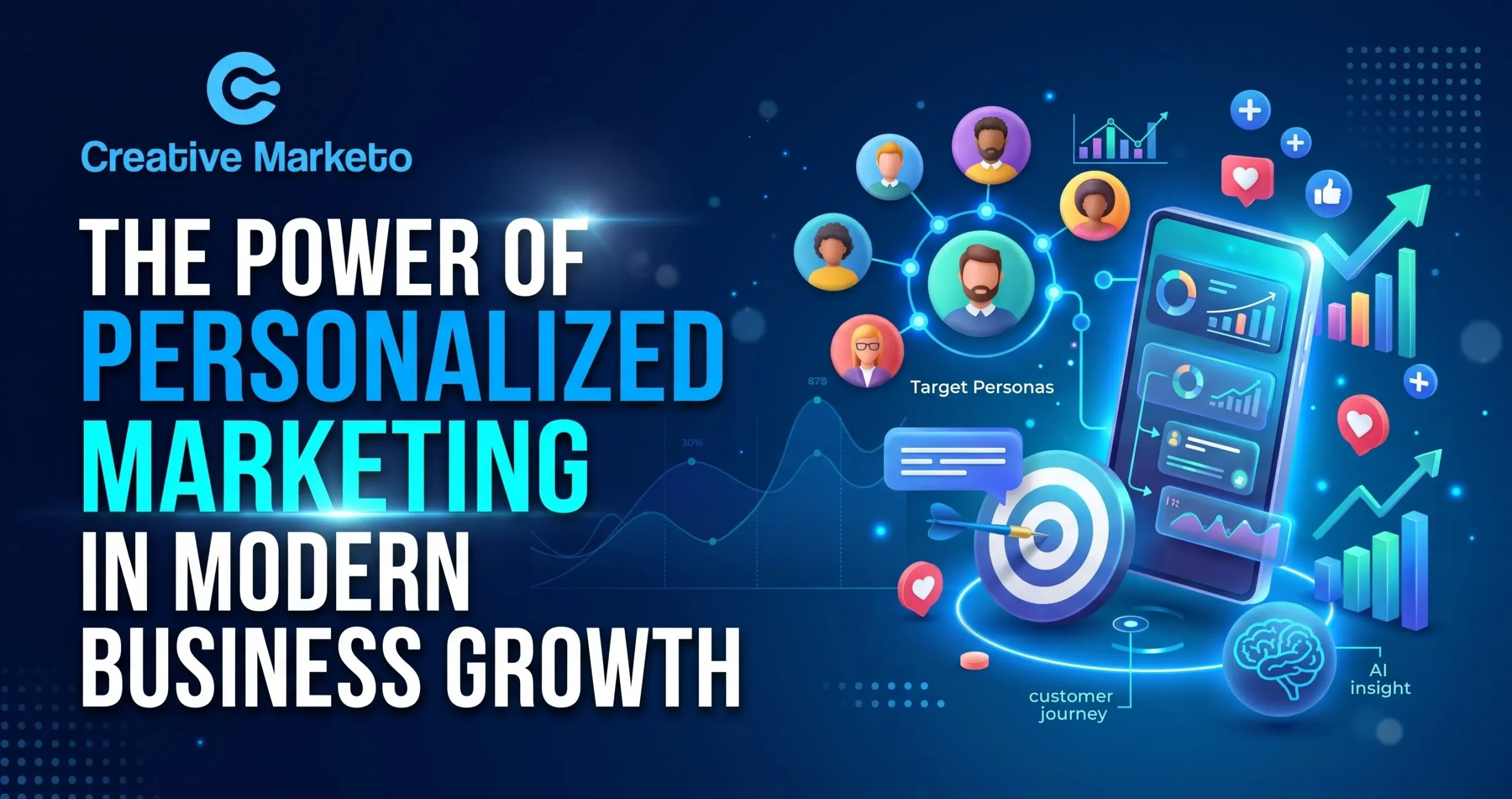
Modern businesses operate in a competitive digital environment where customers expect relevant communication, personalized experiences, and valuable interactions. Traditional marketing approaches that deliver identical messages to everyone may struggle to capture audience attention. Personalized Marketing helps businesses create more meaningful connections by tailoring marketing messages, content, and promotional activities according to customer interests, preferences, and behavior. By understanding what audiences need, companies can deliver relevant experiences that improve engagement and support stronger customer relationships.
Personalized marketing also allows businesses to make better use of customer insights and digital technologies. Through effective Visual Marketing, brands can communicate targeted messages using images, videos, and engaging designs. Similarly, Content Marketing helps businesses provide relevant information that addresses specific audience needs. Combining these approaches with innovative Creative Marketing Strategies can improve brand recognition, increase customer interest, and support sustainable business growth. Companies that prioritize relevant communication can create better customer experiences and develop stronger competitive advantages.
Understanding Personalized Marketing in Modern Business
Personalized marketing is a strategy that focuses on delivering relevant messages, products, services, and experiences based on customer information. Businesses use available data, such as browsing behavior, purchase history, preferences, and previous interactions, to understand their audiences and improve communication.
How Personalized Marketing Works
Personalized marketing begins with collecting and analyzing appropriate customer information. Businesses use this information to identify audience interests, understand purchasing behavior, and create relevant marketing messages.
For example, an online retailer may recommend products based on a customer’s previous purchases or browsing activity. Similarly, an email marketing campaign can provide product suggestions that match individual preferences. These activities make communication more relevant and useful.
Why Businesses Need Personalized Experiences
Customers receive promotional messages from numerous businesses every day. Personalized experiences help brands stand out by providing information that matches individual interests rather than relying on generic advertising.
When customers receive relevant recommendations and useful content, they may become more interested in interacting with a brand. This can improve engagement, strengthen relationships, and support long-term business development.
How Personalized Marketing Drives Business Growth
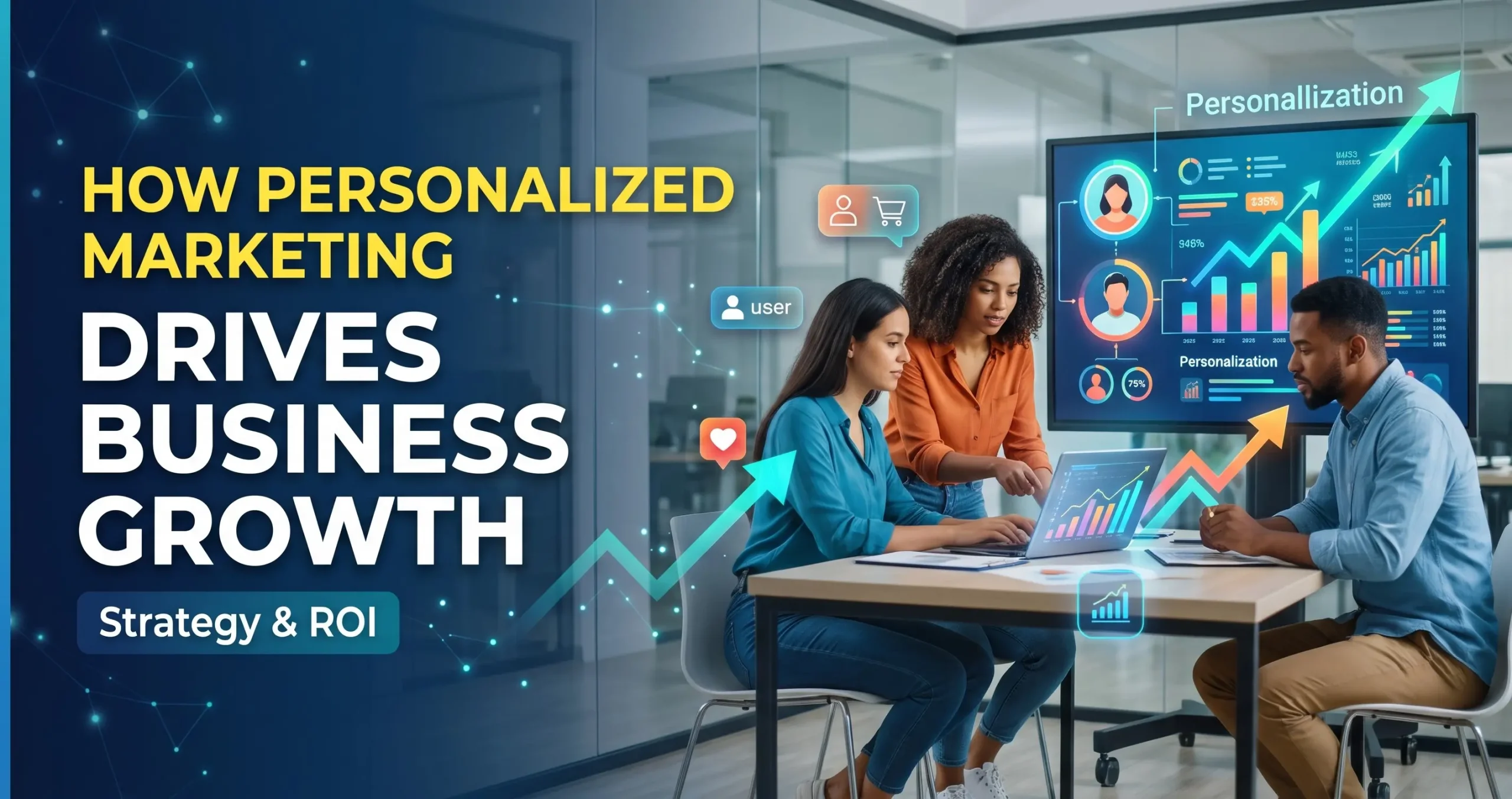 Personalized marketing contributes to business growth by helping companies connect with relevant audiences and improve the effectiveness of their promotional activities. When marketing messages reflect customer interests, businesses can create stronger engagement and encourage meaningful purchasing decisions.
Improving Customer Engagement
Relevant marketing messages can encourage customers to interact with brands through websites, emails, social media, and other digital channels. Businesses can use customer preferences to develop campaigns that address specific interests and expectations.
For example, a company selling fitness products may share personalized recommendations based on customers’ preferred activities. This makes communication more relevant and increases opportunities for meaningful interactions.
Increasing Conversion Opportunities
Personalized product recommendations, targeted promotions, and relevant landing pages can help customers find products or services that match their needs. When businesses reduce unnecessary information and present suitable options, customers can make purchasing decisions more confidently.
However, personalization should focus on genuine customer value rather than excessive promotional messaging. Relevant experiences can improve the customer journey and create better conversion opportunities.
The Role of Visual Marketing in Personalized Campaigns
Visual Marketing uses images, videos, graphics, illustrations, and other visual elements to communicate brand messages. When combined with personalization, visual content can make marketing campaigns more engaging by presenting information in formats that match audience interests and preferences.
Creating Personalized Visual Experiences
Businesses can develop visual content for different customer segments based on their interests, age groups, purchasing behavior, or product preferences. For example, a fashion retailer may showcase different product collections to customers based on their browsing history.
Personalized visuals can also appear in email campaigns, social media advertisements, website banners, and product recommendation sections. Relevant creative materials help businesses communicate messages more effectively.
Using Video and Interactive Content
Videos and interactive visual content can make personalized campaigns more engaging. Businesses may create product demonstrations, customized recommendations, tutorials, and short promotional videos for specific audience groups.
Interactive content such as quizzes and product selection tools can also help customers discover relevant products. These experiences encourage participation while providing businesses with useful insights into customer preferences.
Strengthening Personalized Marketing Through Content Marketing
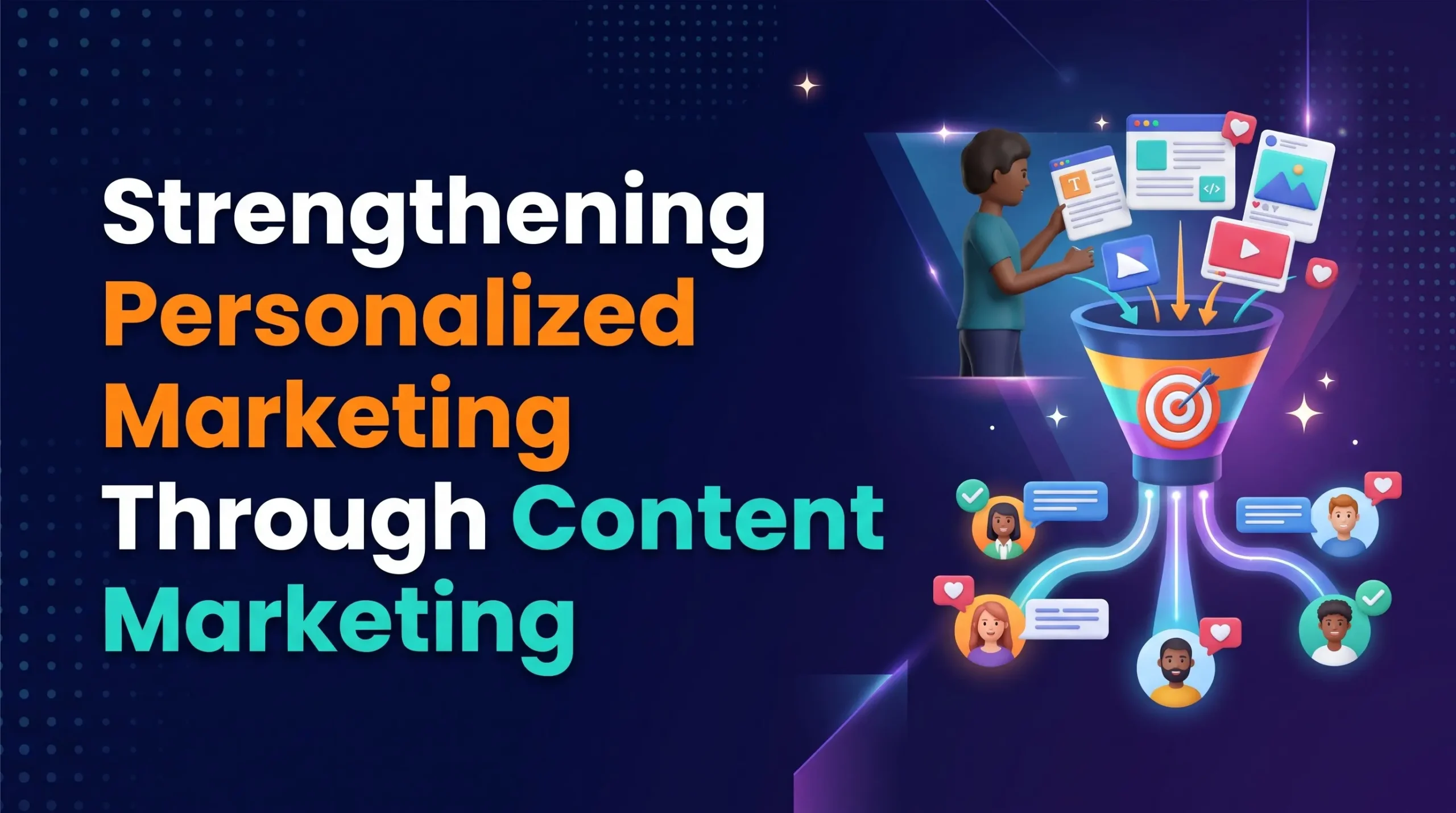 Content Marketing supports personalized marketing by delivering useful information that addresses different audience needs. Businesses can create articles, guides, videos, newsletters, and educational resources that match customer interests and help them make informed decisions.
Developing Audience-Focused Content
Understanding the target audience is essential for creating relevant content. Businesses should identify common questions, customer challenges, search interests, and purchasing concerns before developing marketing materials.
For example, a technology company may publish beginner-friendly guides for new customers while providing detailed technical resources for experienced users. Different content formats can serve different audience requirements.
Delivering Relevant Content Across Channels
Businesses can distribute personalized content through websites, email newsletters, social media, and other digital platforms. Consistent communication helps audiences discover useful information at different stages of their customer journey.
Content should also match the platform where it appears. Educational articles may work well on business websites, while short videos and visual posts can support engagement on social media.
Creative Marketing Strategies for Better Customer Experiences
Creative Marketing Strategies help businesses develop memorable campaigns that connect with customers in meaningful ways. Combining creative ideas with customer insights allows companies to communicate more effectively while maintaining a recognizable brand identity.
Creating Personalized Promotional Campaigns
Businesses can develop promotional campaigns based on customer preferences, purchasing patterns, and seasonal interests. Personalized discounts, product suggestions, and exclusive offers can make promotional communication more relevant.
For example, an ecommerce business may send recommendations related to products customers previously viewed. A travel company may promote destinations based on previous booking interests.
Using Storytelling to Connect With Audiences
Storytelling allows brands to communicate their values, products, and experiences through relatable narratives. Personalized storytelling can make these messages more relevant by focusing on the challenges and interests of specific audience groups.
Customer success stories, product experiences, and educational narratives can help businesses create emotional connections. Authentic storytelling also makes brand communication more memorable.
Using Customer Data to Improve Marketing Personalization
Customer data provides valuable information that helps businesses understand their audiences and create relevant marketing experiences. Proper data analysis allows companies to identify customer patterns, improve segmentation, and make informed marketing decisions.
Understanding Customer Behavior
Businesses can analyze website visits, product interactions, previous purchases, and campaign engagement to understand audience behavior. These insights help identify which products, topics, and promotional messages attract customer interest.
Understanding customer behavior also helps businesses recognize different stages of the purchasing journey. Companies can then provide appropriate information based on customer needs.
Creating Effective Audience Segmentation
Audience segmentation involves dividing customers into groups based on shared characteristics, interests, or behaviors. Businesses can use segmentation to develop more relevant promotional campaigns.
For example, a company may create separate campaigns for new visitors, existing customers, and repeat purchasers. This approach helps ensure that customers receive communication suited to their relationship with the brand.
Improving Customer Retention Through Personalized Communication
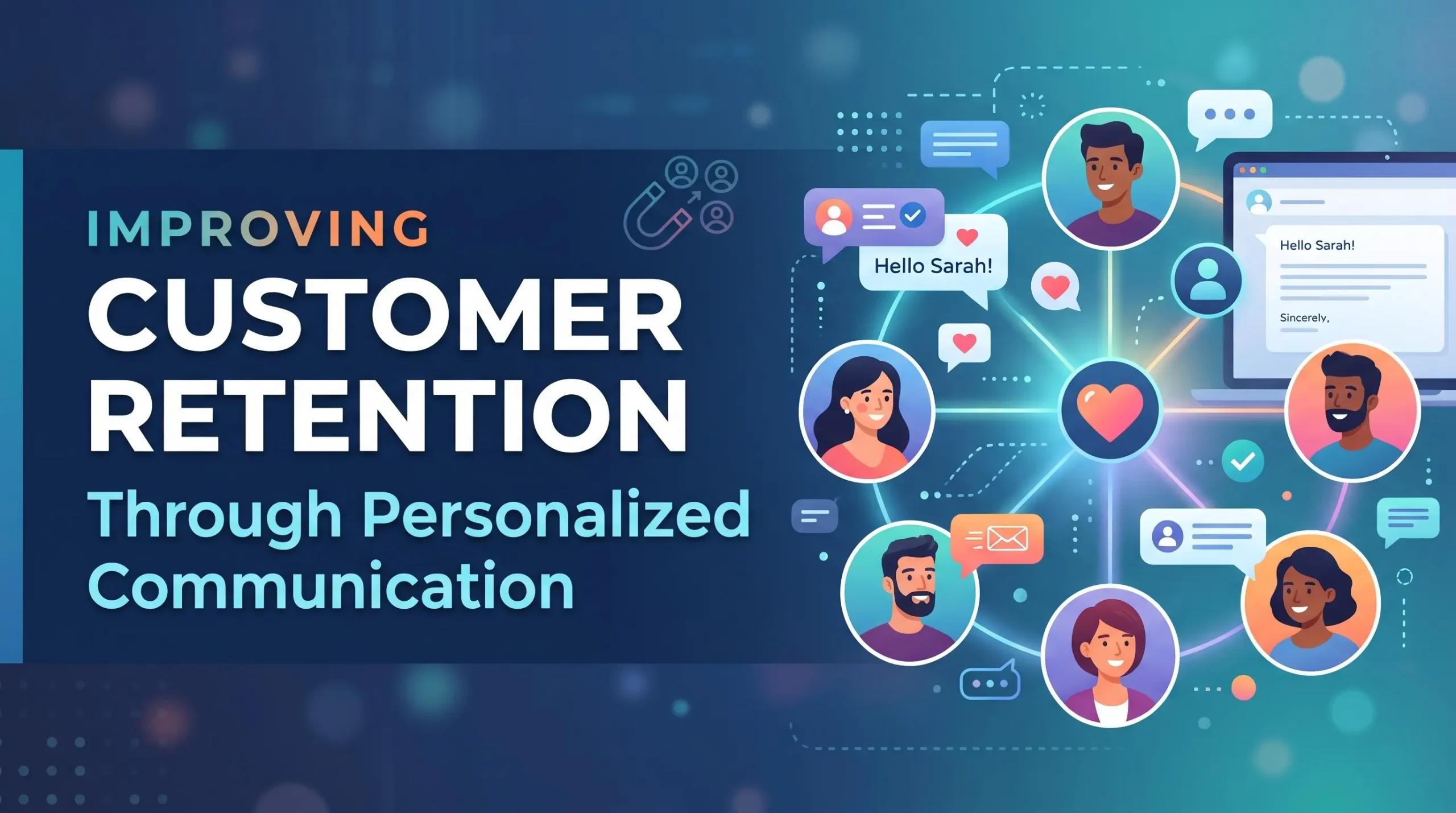 Customer retention is important for sustainable business growth because maintaining existing customer relationships can support repeat purchases and long-term brand loyalty. Personalized communication helps businesses remain relevant after the initial transaction.
Building Strong Customer Relationships
Businesses can strengthen customer relationships by sending relevant updates, providing helpful recommendations, and responding to individual needs. Personalized follow-up messages can also make customers feel valued.
For example, an online service provider may share useful product tips or account updates based on a customer’s previous activities. Such communication supports an ongoing relationship beyond the initial purchase.
Encouraging Repeat Purchases
Personalized product recommendations and relevant loyalty offers can encourage existing customers to explore additional products or services. Businesses can use purchasing history to identify opportunities for suitable recommendations.
However, recommendations should remain relevant and respectful of customer preferences. Excessive messages or unrelated promotions may negatively affect the customer experience.
The Importance of Technology in Personalized Marketing
Digital technologies help businesses collect, organize, and analyze customer information more efficiently. Marketing automation, customer relationship management platforms, and analytics tools can support personalized communication across multiple channels.
Using Marketing Automation Tools
Marketing automation tools allow businesses to deliver relevant messages based on customer actions and predefined conditions. For example, companies can send welcome emails, abandoned-cart reminders, and follow-up messages automatically.
Automation helps maintain consistent communication while reducing repetitive marketing tasks. Businesses should regularly review automated campaigns to ensure that their messages remain accurate and useful.
Applying Artificial Intelligence and Analytics
Artificial intelligence can help businesses analyze customer behavior, identify patterns, and support personalized recommendations. Predictive analytics may also help companies understand potential customer interests based on available data.
These technologies can improve marketing efficiency, but businesses should maintain human oversight to ensure that automated recommendations are appropriate and accurate.
Challenges in Implementing Personalized Marketing
Although personalized marketing offers significant opportunities, businesses may face challenges related to data quality, privacy, technology, and campaign management. Addressing these issues is important for creating responsible and effective marketing experiences.
Protecting Customer Privacy
Personalized campaigns often depend on customer information, making privacy an important consideration. Businesses should collect data responsibly, explain how information is used, and follow applicable privacy regulations.
Companies should also provide appropriate consent options and secure customer information through suitable technical safeguards. Transparent data practices help maintain customer confidence.
Maintaining Consistent Brand Communication
Personalized messages may vary across different customer groups and communication channels. Without proper planning, businesses can create inconsistent experiences that weaken their brand identity.
Companies should maintain consistent brand values, messaging standards, and visual guidelines while adapting content to different audience needs.
Measuring the Success of Personalized Marketing
Measuring campaign performance helps businesses understand whether personalization is producing meaningful results. Regular evaluation allows marketing teams to identify successful approaches, improve weak campaigns, and make better decisions about future investments.
Tracking Customer Engagement and Conversions
Businesses can evaluate email open rates, click-through rates, website engagement, conversion rates, and repeat purchases. These indicators provide useful information about how customers respond to personalized communication.
Comparing performance across different audience segments can also reveal which messages and content formats are most effective.
Improving Campaign Performance Through Testing
A/B testing allows businesses to compare different marketing messages, visuals, subject lines, and calls to action. Testing can help identify which variations produce better engagement and conversion outcomes.
Companies should use these findings to refine their personalization strategies over time. Continuous testing and evaluation support more effective marketing decisions.
Conclusion
Personalized Marketing has become an important strategy for modern businesses seeking to improve customer engagement, strengthen brand relationships, and achieve sustainable growth. By understanding customer preferences and delivering relevant experiences, companies can create marketing campaigns that connect more effectively with their audiences.
Combining Visual Marketing with targeted communication makes promotional content more engaging, while Content Marketing provides valuable information that supports customer decisions. Effective Creative Marketing Strategies further help businesses develop memorable experiences and build stronger brand connections.
With responsible data management, suitable marketing technologies, and continuous performance evaluation, businesses can improve their marketing effectiveness and create lasting customer relationships. A customer-focused personalization strategy can ultimately support stronger brand loyalty and long-term business success.
Frequently Asked Questions (FAQs)
1. What is Personalized Marketing?
Personalized Marketing is a strategy that delivers relevant promotional messages, content, and product recommendations based on customer preferences, interests, and behavior. It helps businesses create more meaningful customer experiences.
2. Why is personalized marketing important for businesses?
It helps businesses improve customer engagement, increase brand relevance, strengthen relationships, and create better purchasing experiences. Relevant communication can also support customer retention and business growth.
3. How does Visual Marketing support personalized campaigns?
Visual Marketing uses images, videos, graphics, and interactive elements to communicate targeted messages. Personalized visuals can make campaigns more engaging and relevant to specific customer groups.
4. What is the role of Content Marketing in personalization?
Content Marketing helps businesses deliver useful information based on customer interests and needs. Personalized articles, videos, newsletters, and guides can improve engagement and support purchasing decisions.
5. What are Creative Marketing Strategies?
Creative Marketing Strategies are innovative promotional approaches that help brands communicate with audiences in memorable ways. They may include personalized campaigns, storytelling, interactive experiences, and targeted content.
6. How can businesses collect data for personalized marketing?
Businesses can use website analytics, customer surveys, purchase histories, CRM platforms, and customer interactions to understand audience preferences. Data should always be collected and managed responsibly.
7. Does personalized marketing improve customer loyalty?
Yes. Relevant recommendations, helpful communication, and customized experiences can make customers feel valued. These experiences may encourage repeat purchases and stronger long-term relationships.
8. How does artificial intelligence improve personalized marketing?
Artificial intelligence can analyze customer behavior, identify patterns, support product recommendations, and automate relevant communication. It helps businesses deliver more targeted experiences using available data.
9. What challenges do businesses face with personalized marketing?
Common challenges include data privacy concerns, inaccurate customer information, technology costs, inconsistent messaging, and difficulties managing multiple customer segments.
10. How can businesses measure personalized marketing success?
Businesses can measure success through engagement rates, click-through rates, conversion rates, customer retention, repeat purchases, and campaign return on investment. Regular testing helps improve future performance.