

Video advertising has evolved far beyond simple 30-second spots. Interactive video ads now allow viewers to click, tap, and engage directly with your content. This transforms passive viewers into active participants who can make purchases without leaving the video.
Shoppable video campaigns take this concept further by embedding direct purchase opportunities within the video experience. These campaigns can increase engagement rates by up to 300% compared to traditional video ads.
What Are Interactive Video Ads?
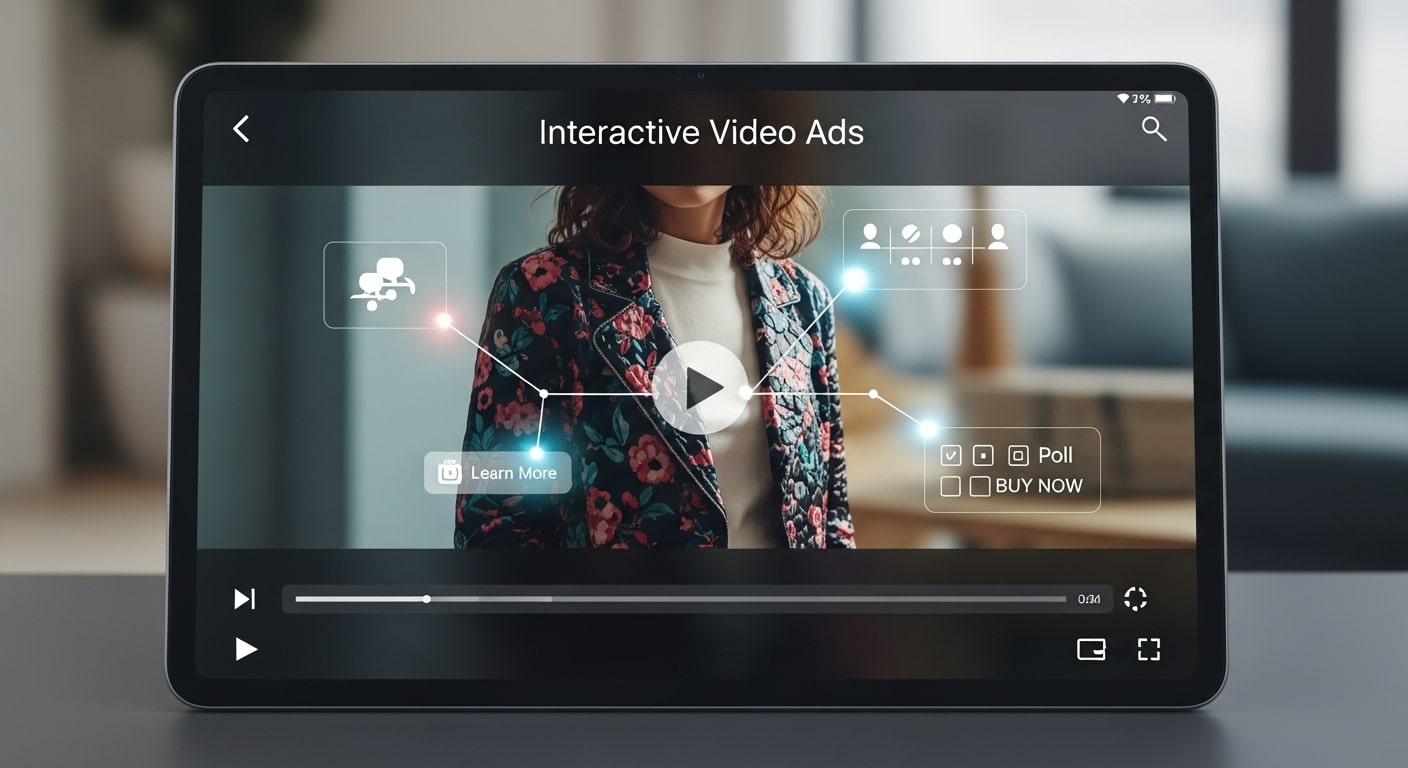
Interactive video ads give viewers control over their experience. Instead of watching passively, users can click on products, choose their own adventure, or access additional information.
These ads include clickable elements like:
- Product tags and pricing information
- Links to landing pages
- Social media sharing buttons
- Email signup forms
- Quiz questions and polls
The key difference from traditional video ads is user participation. Viewers become active participants rather than passive observers.
The Power of Shoppable Video Campaigns
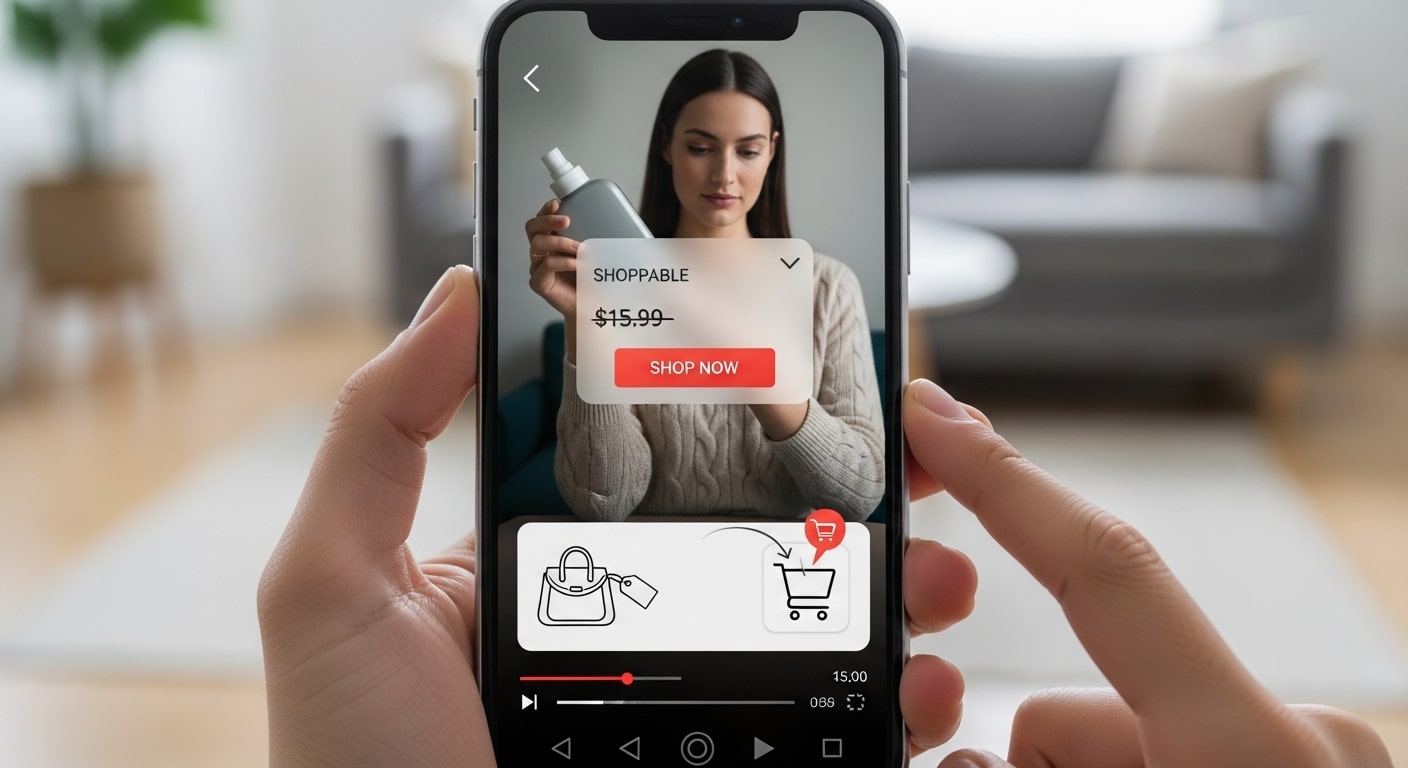
Shoppable video campaigns integrate e-commerce directly into the video experience. Viewers can purchase products they see on screen with just a few clicks.
This approach works because it removes friction from the buying process. When someone sees a product they want in a video, they don’t need to search for it later. They can buy it immediately while their interest is at its peak.
Major brands like Nike, Sephora, and Amazon have seen significant success with shoppable videos. These campaigns typically generate 2-3 times higher click-through rates than standard video ads. Read more about :Top Interactive Marketing Techniques to Boost Audience Engagement.
Benefits of Interactive Video Advertising
Higher Engagement Rates
Interactive elements naturally boost video ad engagement. When viewers can participate, they spend more time with your content. Average viewing time increases by 44% when videos include interactive features.
Better Data Collection
Interactive videos provide valuable insights about viewer preferences. You can track which products viewers click on, how long they engage with different elements, and where they drop off in the experience.
Increased Conversion Rates
The direct path from viewing to purchasing leads to higher conversion rates. Shoppable videos can achieve conversion rates of 20-30%, compared to 2-3% for traditional display ads.
Enhanced Brand Recall
Interactive experiences create stronger memories. Viewers remember brands that offer engaging, participatory experiences more than those using passive video ads.
Types of Interactive Video Ads
Product Showcase Videos
These videos feature clickable product hotspots. Viewers can click on items to see pricing, details, or purchase options. Fashion and beauty brands use these effectively to showcase multiple products in one video.
Choose-Your-Own-Adventure Videos
These ads let viewers make decisions that affect the story. Each choice leads to different outcomes, keeping viewers engaged longer. This format works well for entertainment and lifestyle brands.
Quiz and Poll Videos
Interactive quizzes help viewers discover products suited to their needs. Beauty brands often use quiz videos to recommend makeup shades or skincare routines.
360-Degree Product Demos
These videos allow viewers to explore products from every angle. They can click and drag to rotate items, zoom in for details, or access additional information. This format is particularly effective for electronics and home goods.
Creating Effective Shoppable Video Campaigns
Start with Clear Objectives
Define what you want to achieve with your interactive video ads. Common goals include:
- Increasing brand awareness
- Driving direct sales
- Building email lists
- Generating leads
- Educating customers about products
Know Your Audience
Understanding your target audience is crucial for interactive video success. Research their preferences, shopping behaviors, and preferred platforms. This information guides your creative decisions and platform selection.
Design for Mobile
Most users will view your interactive videos on mobile devices. Ensure all clickable elements are large enough for touch interaction. Test your videos on different screen sizes to guarantee a smooth experience.
Keep It Simple
Don’t overwhelm viewers with too many interactive elements. Focus on 2-3 key interactions per video. Too many options can confuse viewers and reduce engagement.
Make CTAs Clear
Use obvious visual cues to show what viewers can click or tap. Bright colors, animations, or clear button designs help guide user actions.
How Shoppable Video Campaigns Work
Shoppable video campaigns combine video storytelling with built-in e-commerce functionality. These videos include clickable product tags, pricing details, and direct “Buy Now” buttons that allow viewers to purchase items without leaving the video. This seamless experience removes friction from the buying process. When a viewer sees a product they like, they can act immediately while their interest is at its highest. There’s no need to search for the product later or navigate through multiple pages. This instant purchasing capability is why shoppable videos perform so well. Leading brands like Nike, Sephora, and Amazon use shoppable video campaigns to achieve significantly higher click-through rates and faster conversions compared to traditional video advertising.
How Interactive Videos Improve Marketing Data and Insights

Interactive videos provide far richer data compared to traditional video ads. Instead of only tracking views and impressions, brands can analyze exactly how users interact with the content. This includes which products viewers click on, how long they engage with specific sections, which choices they make, and where they drop off. These insights reveal real customer interests and intent, not just passive behavior. Marketers can use this data to optimize future campaigns, refine messaging, and improve product positioning. Interactive video analytics also help identify high-performing content elements and audience segments. Over time, this data-driven approach leads to smarter decisions, better targeting, and higher overall marketing ROI.
Best Practices for Video Ad Engagement
Hook Viewers Early
Capture attention within the first 3 seconds. Use compelling visuals, unexpected elements, or intriguing questions to keep viewers watching.
Maintain Brand Consistency
Ensure your interactive elements match your brand’s visual identity. Consistent colors, fonts, and messaging reinforce brand recognition.
Test Different Formats
Experiment with various interactive elements to see what resonates with your audience. A/B test different approaches and measure results.
Optimize Loading Times
Interactive videos must load quickly to maintain engagement. Optimize file sizes and use efficient hosting solutions to minimize buffering.
Provide Value
Interactive elements should enhance the viewing experience, not distract from it. Every clickable element should provide genuine value to the viewer.
Why Interactive Videos Capture User Attention Better

Interactive videos are effective because they align with how modern users consume content. People no longer want to sit through passive advertisements—they want control, choice, and instant value. Interactive videos invite users to participate by clicking, exploring, or making decisions, which naturally increases attention and focus. When viewers interact, their brains stay engaged longer compared to traditional linear videos. This reduces ad fatigue and increases message retention. Interactive formats also create a sense of personalization, making users feel the content is designed specifically for them. As a result, viewers are more likely to remember the brand, understand the product benefits, and take action. This makes interactive video a powerful tool in competitive digital advertising environments.
Measuring Success
Track these key metrics to evaluate your interactive video ad performance:
- Engagement Rate: Percentage of viewers who interact with your video
- Click-Through Rate: Percentage of viewers who click on interactive elements
- Conversion Rate: Percentage of viewers who complete desired actions
- Time Spent: Average duration viewers spend with your video
- Revenue Generated: Direct sales attributed to your campaign
Platform Considerations
Different platforms offer various interactive video capabilities:
YouTube: Supports cards, end screens, and annotations for basic interactivity
Facebook: Offers Collection ads and Canvas experiences for immersive shopping
Instagram: Provides shopping tags and swipe-up features for product discovery
TikTok: Includes shopping features and branded effects for engagement
Choose platforms based on where your audience spends time and which features align with your campaign goals.
Transforming Your Video Marketing Strategy
Interactive video ads represent the future of digital advertising. They combine the emotional impact of video with the conversion power of direct response marketing.
Start small with simple interactive elements like clickable product tags or end-screen CTAs. As you gain experience and see results, expand to more complex formats like shoppable campaigns and immersive experiences.
The key to success is creating genuine value for viewers while making it easy for them to take action. When done right, interactive video ads don’t feel like advertising—they feel like helpful, engaging experiences that viewers actually want to participate in.
Ready to boost your video ad engagement? Begin by identifying one product or service that would work well in an interactive format, then create a simple shoppable video campaign to test the waters.
Building Trust and Transparency with Interactive Content
Trust plays a major role in purchasing decisions, especially online. Interactive videos help build trust by giving viewers control and transparency. Users can click to see pricing, ingredients, specifications, reviews, or usage instructions without leaving the video. This openness reduces uncertainty and answers common questions upfront. When customers feel informed, they are more comfortable making a purchase. Interactive demos and explainer videos also show products in real-life scenarios, which adds credibility. By allowing users to explore information rather than forcing a sales message, brands position themselves as helpful and trustworthy rather than overly promotional.
Long-Term Value of Investing in Interactive Video Ads
While interactive video ads may require a higher initial investment than traditional videos, they deliver strong long-term value. These videos often perform better across multiple campaigns and can be reused or updated with new products and offers. The data collected from user interactions provides ongoing insights that help improve future marketing strategies. Over time, this leads to more efficient ad spend and better targeting. Additionally, as audiences become more accustomed to interactive experiences, brands that adopt this format early gain a competitive advantage. Investing in interactive video advertising is not just a trend—it is a strategic move toward sustainable digital growth.
Using Interactive Videos to Educate Customers
Interactive videos are not only sales tools—they are also powerful educational assets. Brands can use them to explain complex products, demonstrate features, or guide users through step-by-step processes. Clickable hotspots, info icons, and quizzes allow viewers to explore topics at their own pace. This approach improves understanding and builds trust, especially for high-value or technical products. Instead of overwhelming viewers with too much information at once, interactive videos let users choose what they want to learn more about. Educated customers feel more confident in their purchase decisions, which leads to fewer returns, higher satisfaction, and stronger long-term brand loyalty.
Personalization Through Interactive Video Experiences
One of the strongest advantages of interactive video advertising is personalization. Viewers can receive different experiences based on their choices, preferences, or responses. For example, a viewer can select their style, budget, or needs and receive tailored product recommendations instantly. This makes the content feel more relevant and engaging. Personalized video experiences also improve performance metrics, as users are more likely to interact with content that matches their interests. Over time, brands can use interaction data to refine future campaigns and create even more targeted messaging. Personalization through interactive video helps brands stand out and build deeper connections with their audiences.
Frequently Asked Questions (FAQ)
1. What are interactive video ads?
Interactive video ads are videos that allow viewers to actively engage by clicking, tapping, answering questions, or exploring products instead of just watching passively.
2. How are interactive video ads different from traditional video ads?
Traditional video ads are one-way and passive, while interactive video ads encourage user participation through clickable elements, choices, and real-time actions.
3. What are shoppable video campaigns?
Shoppable video campaigns embed direct purchase options within a video, allowing viewers to buy products instantly without leaving the video experience.
4. Do interactive video ads really improve engagement?
Yes. Interactive video ads can increase engagement rates by up to 300% and boost average viewing time by around 44% compared to standard video ads.
5. What types of businesses benefit most from shoppable videos?
E-commerce, fashion, beauty, electronics, lifestyle, and home goods brands benefit the most, especially those showcasing multiple products visually.
6. Are interactive video ads mobile-friendly?
They should be. Most viewers watch videos on mobile devices, so interactive elements must be touch-friendly, fast-loading, and optimized for smaller screens.
7. Which platforms support interactive and shoppable video ads?
Popular platforms include YouTube, Facebook, Instagram, TikTok, and Amazon, each offering different interactive and shopping features.
8. How many interactive elements should a video include?
It’s best to keep it simple—2 to 3 key interactive elements per video. Too many options can overwhelm viewers and reduce engagement.
9. How do you measure the success of interactive video ads?
Success is measured using metrics such as engagement rate, click-through rate (CTR), conversion rate, time spent on video, and revenue generated.
10. Are interactive video ads expensive to create?
They can cost more than traditional videos, but higher engagement and conversion rates often result in a stronger return on investment (ROI).