The way businesses interact with customers has changed drastically in recent years, and chatbot marketing sits at the forefront of this transformation. You’ve probably heard the term “chatbot marketing” thrown around, but what does it really mean? More importantly, why should your business consider it, and what benefits does it offer?
This blog post will walk you through everything you need to know about chatbot marketing, from its definition to its benefits, and why it’s becoming an integral tool for brands looking to enhance customer engagement.
What Is Chatbot Marketing?
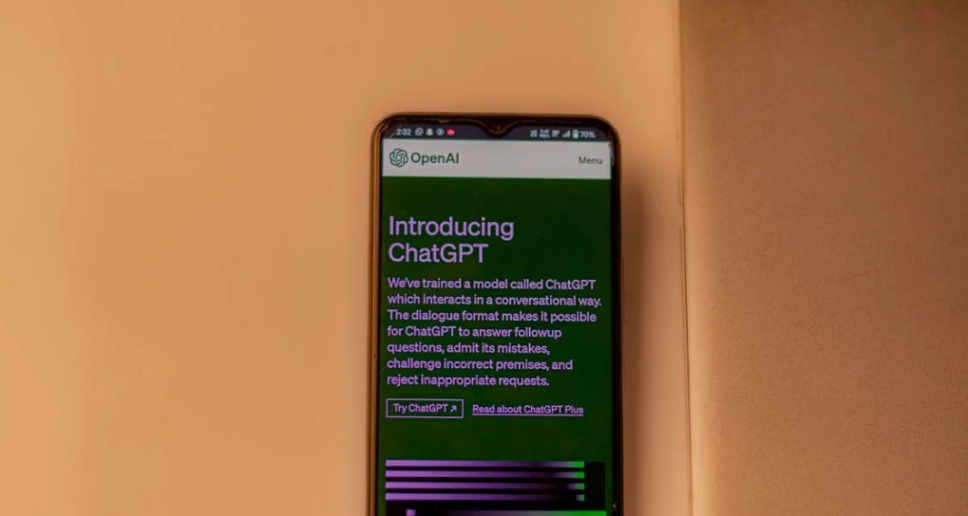
Chatbot marketing is the use of chatbot technology to engage with potential and existing customers across platforms like websites, messaging apps, and social media. These chatbots are powered by artificial intelligence (AI) and programmed to simulate a human-like conversation, making it possible to interact with users in real time.
Whether it’s answering customer inquiries, providing product recommendations, or even automating sales processes, chatbot marketing serves as a convenient and effective way to bridge the gap between businesses and their audience.
Chatbots come in many forms:
- Rule-based chatbots follow predefined instructions to interact with users.
- AI-powered chatbots use machine learning and natural language processing to understand and respond to more complex queries.
- Social media chatbots integrate with platforms like Facebook Messenger or WhatsApp to connect with customers where they’re already active.
Now that we know what chatbot marketing is, let’s look into why it’s essential for modern businesses.
Why Businesses Need Chatbot Marketing
The digital landscape is constantly evolving, and customers expect immediate, personalized interactions with brands. Here’s why incorporating chatbot marketing into your business strategy is no longer optional but essential:
1. The Demand for Instant Customer Support
Today’s customers maintain high expectations when it comes to service response times. Studies show that 90% of consumers expect a response within 10 minutes when they have customer service questions. Chatbots meet this need for instant support by providing 24/7 availability, ensuring every query is addressed in a timely manner.
2. Increased Use of Messaging Apps
Platforms like WhatsApp, Facebook Messenger, and Instagram Direct have billions of users combined, and these apps are where your customers are spending more of their time. Chatbots allow businesses to establish a presence in these channels.
3. Cost-Effective Customer Engagement
Hiring and training an around-the-clock customer service team is costly. Chatbot marketing reduces this expense by handling high volumes of repetitive tasks and inquiries without requiring breaks, salaries, or overtime pay.
4. Personalization at Scale
Personalized interactions can strengthen customer relationships. Chatbots can collect and analyze user data to deliver tailored responses, product recommendations, or exclusive offers, creating a more engaging customer experience on an individual level.
Benefits of Chatbot Marketing
Implementing chatbot marketing can bring numerous tangible benefits to your business. Here’s why it’s worth the investment:
Improved Customer Experience
When a customer visits your website or social media profile, they want answers quickly. Chatbots ensure your customers don’t have to dig through FAQs or wait for a human representative to assist them. This seamless interaction guides users and fulfills their needs effectively, enhancing their overall experience.
Lead Generation and Qualification
Chatbots aren’t just for answering questions; they can serve as powerful sales tools. By engaging visitors and asking targeted questions, chatbots identify qualified leads and route them to your sales team. Additionally, chatbots can collect user data like contact info and product preferences, providing valuable insights into your audience.
Increased Operational Efficiency
Chatbots automate repetitive tasks, such as order tracking, scheduling appointments, or sending confirmation emails, allowing your human employees to focus on more strategic activities.
Enhanced Marketing Reach
With chatbot marketing, you don’t need to wait for customers to visit your website. Push notifications sent via chatbots can keep your audience updated on the latest deals, product launches, or events, all in real time.
Higher Conversion Rates
Chatbots guide customers through your sales funnel, assisting them in making decisions or completing purchases. Stories of businesses achieving 30-40% increases in conversion rates by integrating chatbots into their websites or landing pages are increasingly common.
Multilingual Customer Support
For global businesses, chatbots break through language barriers by offering multilingual support, ensuring customers worldwide can interact with your brand without confusion.
Read our Latest blog : Nostalgia Marketing Trends
How to Leverage Chatbot Marketing for Your Business
If you’re ready to start using chatbot marketing, follow these steps to make the most of this powerful tool:
Step 1. Define Your Objectives
Decide what you want to accomplish with chatbot marketing. Is it to improve customer support, generate leads, or boost sales? A clear goal will guide how you design and implement your chatbot strategy.
Step 2. Choose the Right Platform
Different chatbots are best suited for specific platforms:
- Facebook Messenger Chatbots are ideal for social media-focused campaigns.
- Website Chatbots work perfectly for customer inquiries and lead generation on your site.
- E-commerce Platform Chatbots can enhance the shopping experience with personalized recommendations.
Step 3. Design an Engaging Chatbot Voice and Personality
To keep your audience engaged, create a chatbot with a tone that aligns with your brand’s personality. Whether it’s friendly and casual or professional and informative, ensure the chatbot resonates with your target audience.
Step 4. Start Simple and Expand
Begin by addressing the most common customer queries before expanding the features of your chatbot. Over time, add advanced functionalities like integrations with your CRM or e-commerce platform to unlock its full potential.
Step 5. Monitor Performance and Improve
Like all marketing efforts, track your chatbot’s performance. Use metrics like customer satisfaction rates, click-through rates, and conversion rates to evaluate its impact and continuously improve.
Real Life Examples of Chatbot Marketing Success
Several companies have already demonstrated the power of chatbot marketing. Here are some noteworthy examples:
- Sephora uses a Facebook Messenger bot to allow customers to book in-store makeover appointments and receive makeup tutorials.
- Domino’s Pizza has deployed a chatbot on Messenger and their website that lets customers order pizza instantly by typing “reorder” or placing a custom order.
- H&M engages shoppers with a chatbot that provides outfit recommendations and helps them find products from their vast inventory.
These case studies prove that chatbot marketing can effectively enhance customer engagement and grow your business.
What’s Next for Chatbot Marketing
The future possibilities of chatbot marketing are endless. With advancements in AI, we’ll see chatbots become even more intelligent, personalized, and human-like in their interactions. This trend ensures chatbots remain a vital tool for maintaining competitive advantage.
If you haven’t integrated chatbot marketing yet, there’s no better time to start. Don’t miss out on the opportunity to elevate your customer experience, improve efficiency, and grow your bottom line.