
Influencer Marketing is a key digital strategy that helps brands connect with targeted audiences through trusted creators. Influencer Marketing platforms simplify influencer discovery, campaign management, performance tracking, and fraud detection. By using data-driven and AI-powered tools, businesses can run efficient, authentic campaigns, improve ROI, and scale their marketing efforts successfully.
What Are Influencer Marketing Platforms?
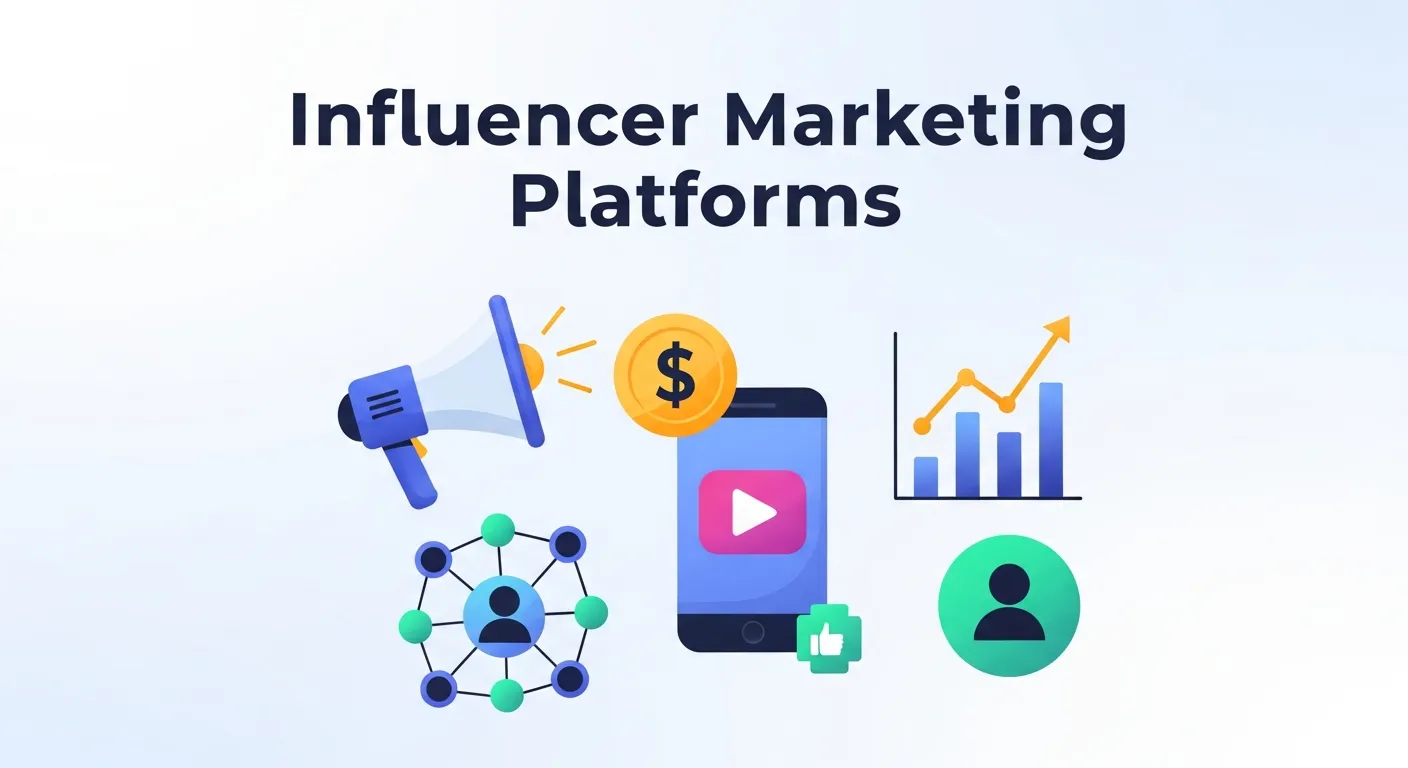
Influencer Marketing Platforms are specialized tools or software solutions designed to help brands discover, manage, and analyze influencer collaborations at scale. They act as a bridge between businesses and content creators, automating processes that would otherwise be manual and time-consuming. Instead of relying on spreadsheets or direct messages, brands can use these platforms to search influencer databases, manage campaigns, and track performance from one centralized dashboard. Modern Influencer Marketing goes beyond hiring popular creators—it focuses on building authentic partnerships that resonate with specific audiences. These platforms ensure better alignment between brand values, influencer content, and audience interests, making campaigns more strategic, transparent, and results-oriented.
Benefits of Micro-Influencers in Influencer Marketing
Micro-influencers play a vital role in Influencer Marketing due to their highly engaged and niche-specific audiences. Although they have fewer followers, their content often feels more authentic and relatable. Brands benefit from higher engagement rates, lower collaboration costs, and stronger community trust. Micro-influencers are especially effective for local marketing, product launches, and niche industries. Their close relationship with followers allows brands to generate meaningful conversations and real influence, making micro-influencers a cost-effective and high-ROI option in modern Influencer Marketing strategies.
Types of Influencer Marketing Campaigns
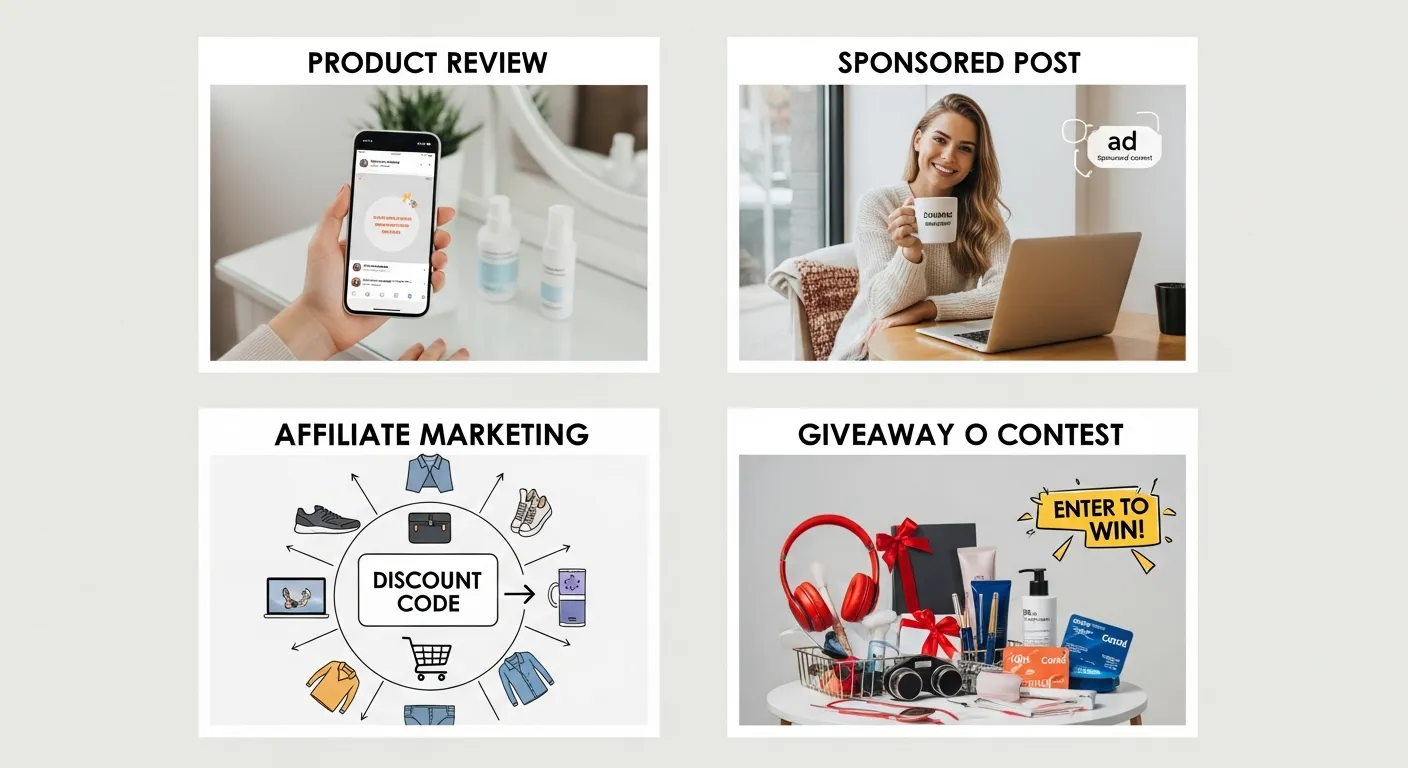
Influencer Marketing campaigns can take different formats depending on business goals and audience behavior. Common types include sponsored posts, product reviews, giveaways, brand ambassadorships, affiliate partnerships, and user-generated content campaigns. Sponsored posts help increase visibility, while reviews build trust and credibility. Giveaways boost engagement and follower growth, whereas long-term brand ambassador programs create consistency and loyalty. Affiliate campaigns focus on performance-based results such as sales and conversions. Choosing the right campaign type ensures that Influencer Marketing efforts align with brand objectives and deliver measurable outcomes across different digital channels.
Why Do You Need an Influencer Marketing Platform?
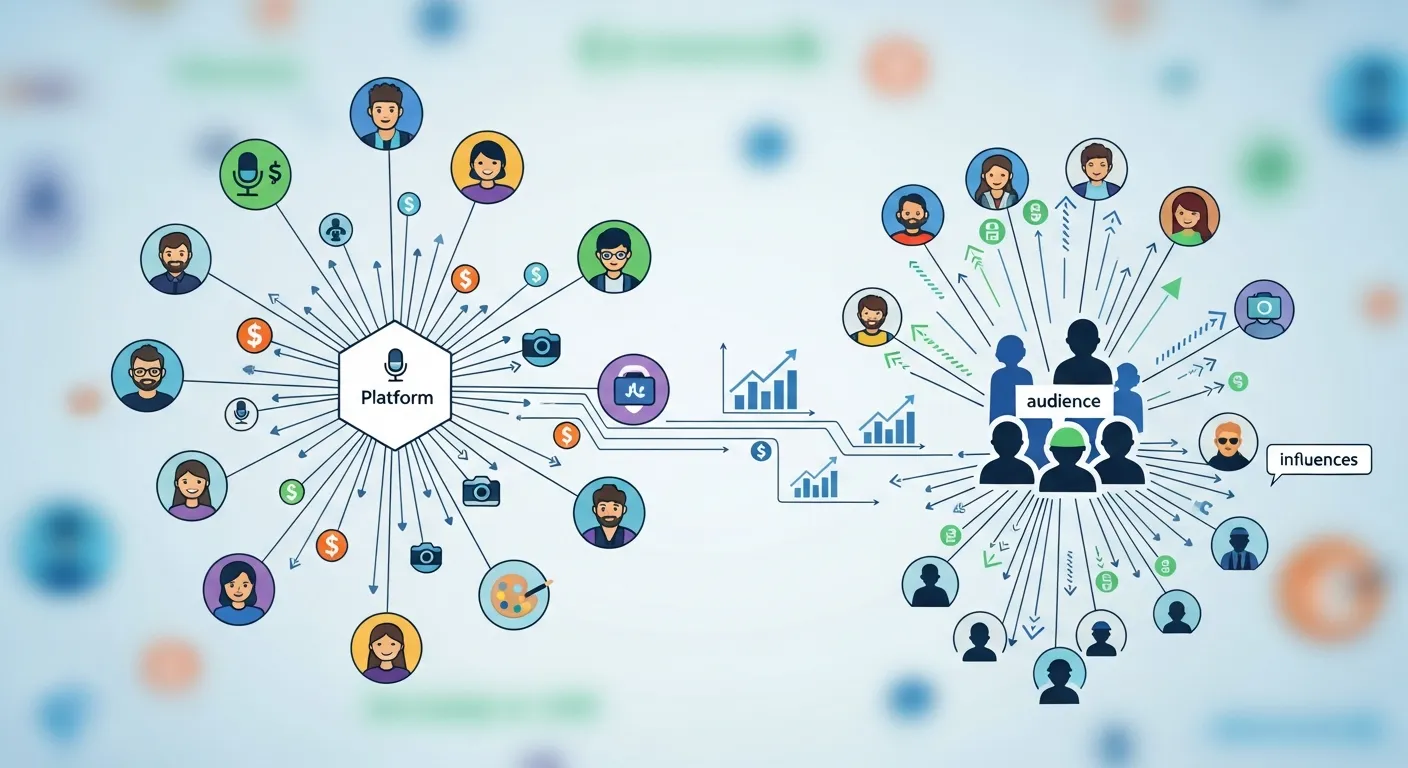
Managing Influencer Marketing campaigns manually can quickly become overwhelming as campaigns grow in size and complexity. An Influencer Marketing Platform helps brands overcome common challenges such as influencer discovery, campaign coordination, and performance measurement. These tools provide access to detailed analytics, enabling marketers to track engagement, clicks, conversions, and ROI with precision. Platforms also streamline communication by centralizing outreach, contracts, and approvals, reducing errors and delays. Additionally, automation features handle repetitive tasks like reporting and influencer payments, saving valuable time and resources. By using a platform, brands can execute campaigns more efficiently, make data-driven decisions, and maximize the overall impact of their Influencer Marketing efforts.
Common Mistakes to Avoid in Influencer Marketing
Many brands make mistakes that reduce Influencer Marketing effectiveness. Choosing Rise of Virtual Influencers based only on follower count, ignoring audience authenticity, and failing to track performance are common errors. Poor communication, unclear expectations, and lack of contracts can also damage collaborations. Another mistake is prioritizing short-term results over long-term relationships. Avoiding these pitfalls allows brands to build stronger partnerships, improve campaign performance, and achieve sustainable growth through Influencer Marketing.
Influencer Marketing vs. Creator Marketing
Influencer & Creator Marketing
Influencer & Creator Marketing focuses on building authentic partnerships between brands and digital creators to connect with targeted audiences more effectively. Unlike traditional advertising, this approach emphasizes storytelling, trust, and long-term collaboration. Creators produce engaging content across platforms such as Instagram, TikTok, YouTube, and blogs, helping brands reach audiences in a natural and relatable way. Influencer & Creator Marketing allows businesses to tap into niche communities, increase brand awareness, and drive meaningful engagement. By aligning brand values with creator voices, companies can deliver consistent messaging while maintaining authenticity. When supported by data-driven insights and performance tracking, Influencer & Creator Marketing becomes a powerful strategy for boosting credibility, conversions, and sustainable brand growth. Find out more about this topic: Influencer & Creator Marketing
Influencer Marketing Content Guidelines
Clear content guidelines are essential for successful Influencer Marketing collaborations. Brands should define messaging tone, brand values, visual style, hashtags, disclosures, and posting timelines. While guidelines provide structure, influencers should still have creative freedom to maintain authenticity. Overly scripted content can reduce engagement and trust. Transparent disclosure of sponsored content is also important to comply with advertising regulations. Well-defined content guidelines help maintain brand consistency, avoid miscommunication, and ensure influencer-created content resonates naturally with the target audience.
Storytelling Transforms Influencer Marketing
Storytelling enhances Influencer Marketing by turning brand promotions into authentic and relatable experiences. Instead of direct advertising, influencers share personal stories and real-life moments that emotionally connect with audiences. This builds trust, credibility, and stronger engagement while making brand messages more memorable. Story-driven content shows how products fit naturally into everyday life through videos, reels, blogs, and live sessions. When aligned with brand values and audience interests, storytelling drives deeper connections, higher engagement, and long-term customer loyalty.. Find out more about this topic: How Storytelling Transforms Influencer Marketing
Key Look for in an Influencer Marketing Platform
Choosing the right Influencer Marketing Platform requires understanding the features that drive success. Influencer discovery tools with advanced filters help brands find creators based on niche, engagement rate, follower demographics, and location. Campaign management features organize outreach, deadlines, and deliverables in one place. Analytics and reporting tools provide insights into reach, impressions, CTR, and conversions, enabling ROI measurement. Audience insights help verify whether an influencer’s followers match your target market. Fraud detection features protect brands from fake followers and low-quality engagement. Finally, integrated payment systems simplify compensation and reduce administrative work, ensuring smooth collaboration from start to finish.
Legal and Compliance Considerations in Influencer Marketing
Influencer Marketing requires compliance with advertising laws and platform policies. Influencers must clearly disclose paid partnerships using hashtags like #ad or #sponsored. Brands should use written contracts outlining deliverables, content usage rights, payment terms, and timelines. Compliance helps protect brands from legal risks and builds audience trust. Different regions may have different regulations, so understanding local advertising standards is essential. Following legal and ethical practices ensures transparency, credibility, and long-term success in Influencer Marketing campaigns.
Selecting the best Influencer Marketing Platform starts with defining your campaign goals—brand awareness, traffic generation, or conversions. Budget considerations are equally important, as platforms range from affordable tools to enterprise-level solutions. User experience plays a critical role; a clean, intuitive interface ensures faster adoption by your team. Integration capabilities with CRM systems, social media channels, and e-commerce platforms streamline workflows. Reviewing case studies, testimonials, and real-world success stories provides insight into expected ROI. By carefully evaluating these factors, brands can choose a platform that supports scalable, efficient, and high-performing Influencer Marketing campaigns.
The Future of Influencer Marketing
The Influencer Marketing industry is projected to surpass $21 billion , driven by innovation and technological advancements. Emerging trends include AI-powered campaign optimization, AR/VR brand collaborations, and automated content creation. As competition increases, brands must rely on data-driven platforms to maintain authenticity and efficiency. Influencer Marketing Platforms will continue evolving with predictive analytics, deeper audience insights, and enhanced fraud detection. Businesses that adopt these tools early will be better positioned to create personalized, creative, and trustworthy campaigns that resonate with modern consumers and deliver sustainable growth in a rapidly changing digital landscape.
Calculation
A strong Influencer Marketing strategy relies on accurate campaign calculations to measure performance and ROI effectively. This section focuses on data-driven metrics such as Engagement Rate, calculated by total engagements divided by total followers, and Cost Per Engagement (CPE), which evaluates cost efficiency. Conversion Rate tracks desired user actions, while ROI compares generated revenue against campaign costs. Together, these calculations help brands optimize budgets, identify top-performing influencers, and refine future Influencer Marketing campaigns with confidence.
Frequently Asked Questions (FAQ)
What is Influencer Marketing?
Influencer Marketing is a digital marketing approach where brands partner with content creators to promote products or services to a specific audience. It emphasizes trust, authenticity, and audience engagement rather than direct advertising.
How do Influencer Marketing platforms work?
Influencer Marketing platforms help brands find suitable influencers, manage collaborations, and track campaign performance. They provide tools for influencer discovery, communication, analytics, and ROI measurement in one dashboard.
Are Influencer Marketing platforms suitable for small businesses?
Yes, many Influencer Marketing platforms offer flexible pricing and features designed for startups and small businesses. They help brands reach niche audiences without large advertising budgets.
How can Influencer Marketing success be measured?
Influencer Marketing success is measured through engagement rate, reach, impressions, conversions, ROI, and cost per engagement. Most platforms provide real-time analytics for accurate tracking.
Is Influencer Marketing more effective than traditional advertising?
Influencer Marketing often performs better because audiences trust influencer recommendations more than traditional ads, leading to higher engagement and conversion rates.
How can brands avoid fake influencers?
Brands can avoid fake influencers by using Influencer Marketing platforms with fraud detection tools that analyze follower quality, engagement patterns, and suspicious activity.
Which social media platforms are best for Influencer Marketing?
Instagram, TikTok, YouTube, and LinkedIn are popular platforms, depending on your target audience and campaign goals.
How much should brands pay influencers?
Payment depends on influencer reach, engagement rate, niche, and content type. Micro-influencers often deliver higher ROI at lower costs.
What is the difference between micro and macro influencers?
Micro-influencers have smaller but highly engaged audiences, while macro influencers offer wider reach with higher costs.
How long should an Influencer Marketing campaign run?
Campaign duration varies, but long-term partnerships usually deliver better trust, consistency, and performance than one-off promotions.
Can Influencer Marketing help improve SEO?
Yes, influencer-generated content can increase brand mentions, backlinks, and social signals, indirectly supporting SEO performance.