
This article breaks down Influencer and Creator Marketing, from core benefits and campaign types to best practices and future trends. It shows how authentic creator collaborations help brands connect with audiences and drive sustainable business results.
Marketing today goes beyond catchy jingles and polished advertisements. Brands now focus on Influencer and Creator Marketing to build authentic connections with audiences. By partnering with trusted creators, businesses can humanize their messaging, boost engagement, and drive meaningful growth in an increasingly competitive digital landscape.
What Is Influencer & Creator Marketing?
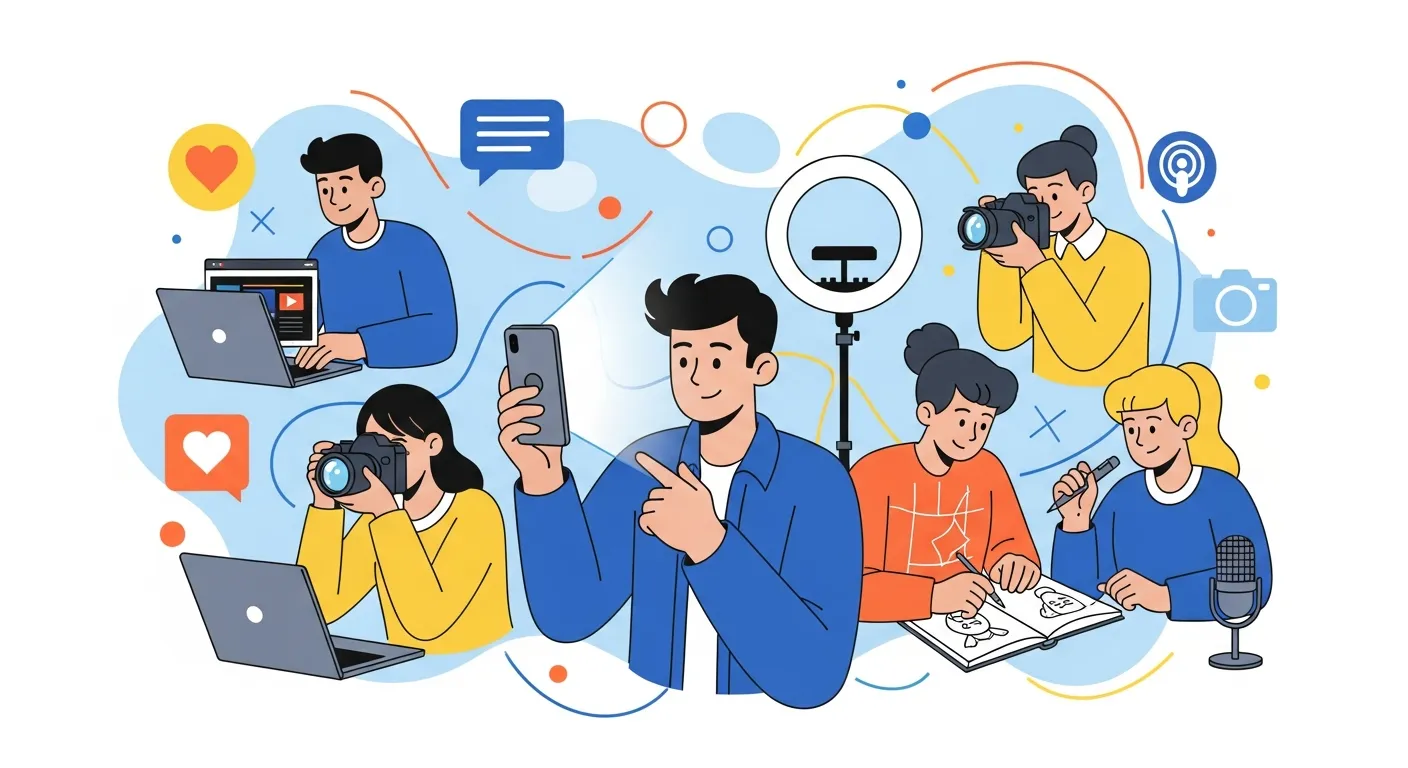
Influencer and creator marketing is a strategy where brands partner with individuals (influencers or creators) who have a substantial and engaged following on social media or other online platforms. These individuals leverage their personal brand and content style to promote products or services to their audience, which often leads to higher trust and better results than traditional ads. Think of it as the digital age’s “word of mouth,” amplified exponentially.
- Influencers: Typically social media personalities with a dedicated fan base (e.g., Instagram models, YouTubers, or TikTok dancers). Their reach ranges from macro-influencers (with millions of followers) to micro and nano-influencers (with smaller, niche audiences).
- Creators: These are content producers who focus on making original work such as videos, art, or music. While not all creators are influencers, their authentic approach and creativity often build highly engaged communities.
Both groups are pivotal in marketing because of the way they connect with their audiences on a personal level, making marketing messages feel less like ads and more like recommendations.
Why Influencer & Creator Marketing Matters
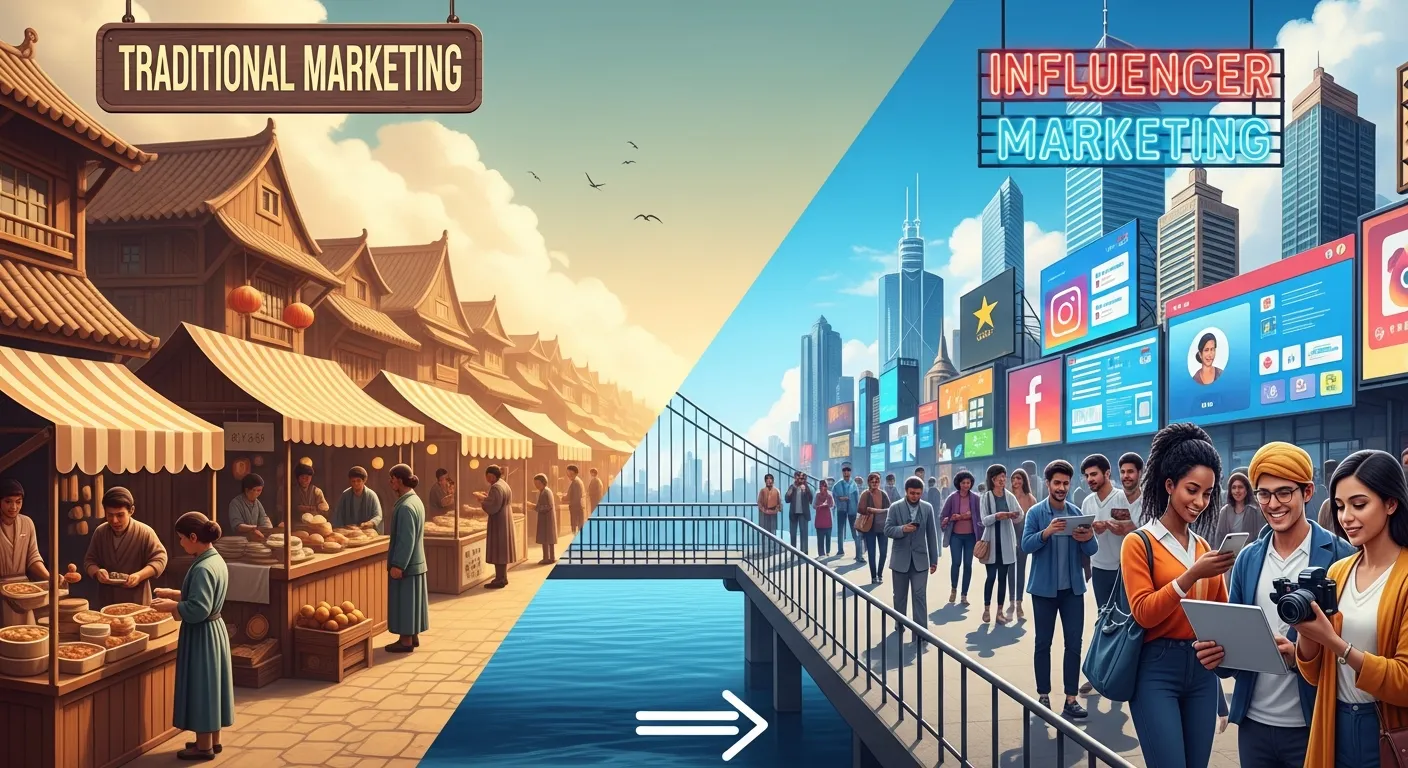
It’s no secret that traditional advertising is losing its edge. Here’s why influencer and creator marketing is emerging as a must-have for businesses:
- Trust and Authenticity: A study by Nielsen revealed that 92% of consumers trust recommendations from individuals over brands. Influencers and creators are seen as relatable and trustworthy, making their endorsements more impactful.
- Targeted Reach: These partnerships aren’t about casting a wide net. Instead, they focus on niche audiences that align with your target demographic, ensuring your message reaches the right people.
- Higher Engagement Rates: Influencers often create content that resonates deeply with their followers, leading to better engagement compared to traditional marketing efforts.
- Tapping into Trends: Influencers and creators live and breathe the zeitgeist. They know what’s trending and know how to insert your brand into current conversations seamlessly.
Benefits of Creator Marketing for Modern Brands
Creator Marketing delivers measurable and long-term advantages for brands aiming to build trust, relevance, and digital visibility. Unlike traditional advertising, it focuses on human-centered storytelling that resonates with audiences across platforms. By partnering with creators who align with brand values, businesses can strengthen credibility while driving consistent engagement and conversions.
Key Benefits of Creator Marketing
- Builds authentic brand trust through real voices and experiences
- Improves engagement rates compared to traditional paid ads
- Helps brands reach niche, highly targeted audiences
- Generates reusable content for multi-channel marketing
- Supports long-term brand growth and loyalty
Creator Marketing vs Traditional Advertising
| Factor | Creator Marketing | Traditional Advertising |
|---|---|---|
| Audience Trust | High (peer-driven recommendations) | Lower (brand-driven messaging) |
| Engagement Rate | Strong and interactive | Often passive |
| Cost Efficiency | Flexible and scalable | Usually high upfront cost |
| Content Longevity | Long-term use across platforms | Short campaign lifespan |
| Brand Connection | Emotional and authentic | Transactional |
Types of Influencer and Creator Marketing Campaigns
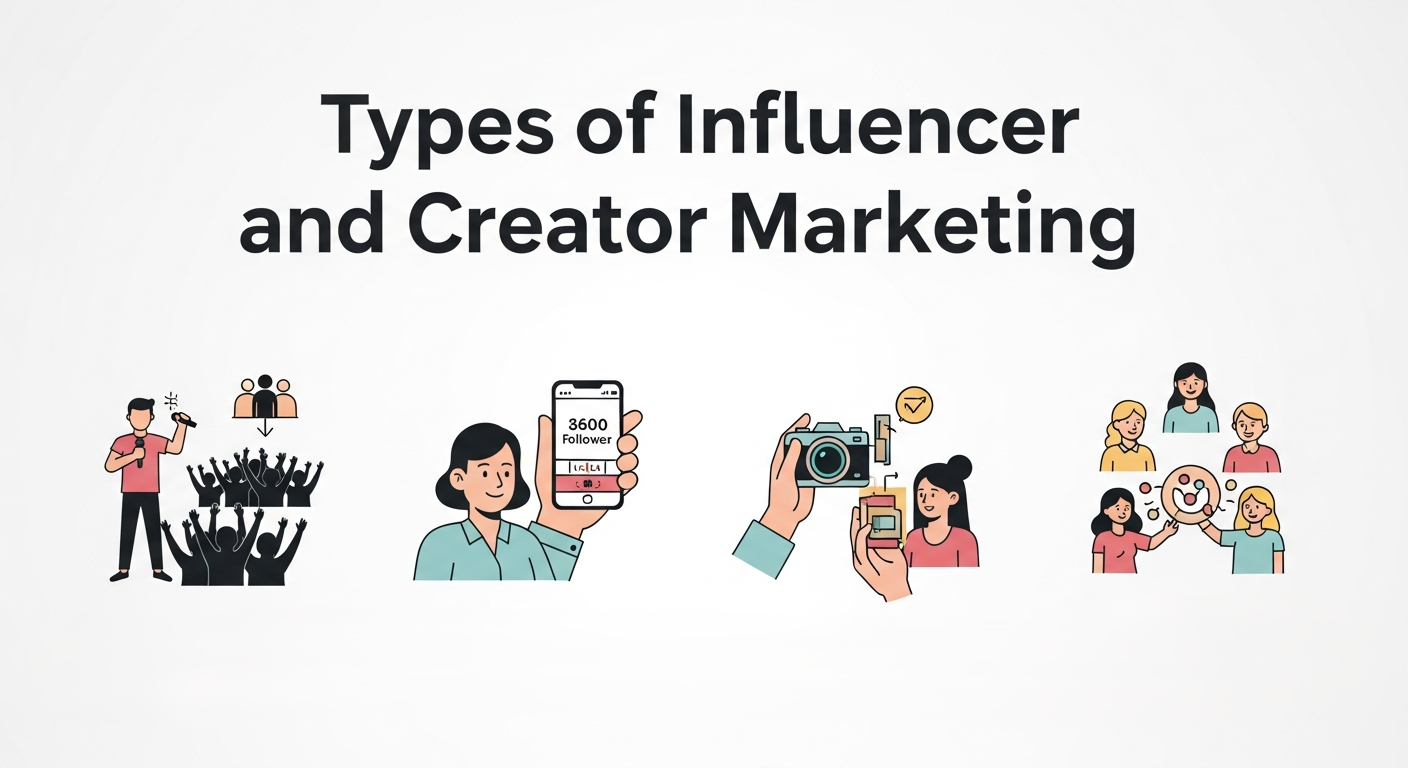
Different campaigns call for different approaches, and influencer and creator collaborations are no different. These are some common formats brands use to build trust, engagement, and long-term value—especially when aligned with Visual Marketing in Branding Strategy, where compelling visuals and storytelling play a central role.
Sponsored Content
Sponsored content involves paying an influencer or creator to showcase your product or service. This could include Instagram posts, YouTube videos, TikTok challenges, or even tweets. Sponsored content works best when influencers integrate the product naturally into their narrative, allowing authenticity and strong visual appeal to drive audience connection.
Product Reviews
Nothing beats an honest review from a trusted personality. Creators provide detailed insights, showcasing how your product works and why it’s worth the investment. This strategy is particularly effective for beauty, technology, and lifestyle brands that rely on visual demonstrations to influence buying decisions.
Giveaways and Contests
Want to build hype? Partner with a creator to host a contest or giveaway. Not only does this approach boost visibility, but it also encourages direct audience interaction, increasing reach and engagement organically.
Affiliate Marketing
Influencers share affiliate links or unique promo codes, earning a commission for every sale they drive. This performance-based model is low-risk, as brands only pay for measurable results.
Brand Ambassadorships
For longer-term collaborations, appoint key influencers as brand ambassadors. This strategy builds a consistent brand presence and an ongoing relationship that feels less transactional and more authentic to the audience.
Tips for Creating an Effective Influencer and Creator Marketing Strategy
While entering the world of influencer marketing can seem daunting, following these steps will set you up for success:
1. Define Your Goals
Start by answering the question: What do you hope to achieve? Is it brand awareness, driving sales, increasing engagement, or gaining new followers? Having a clear objective shapes the approach and metrics you’ll use to evaluate your campaign’s success.
2. Know Your Audience
Who are you trying to reach? Ensure that the influencer’s audience aligns with your target demographic. Tools like HypeAuditor and Upfluence can help evaluate influencer analytics to confirm their following matches your ideal customer profile.
3. Choose the Right Influencers or Creators
Bigger isn’t always better. While macro-influencers can give you reach, micro- and nano-influencers often generate higher engagement rates because of their niche, loyal communities. Choose individuals whose values and lifestyle align with your brand.
4. Focus on Authenticity
The best campaigns feel natural. Allow influencers and creators creative freedom to tell their stories in their unique style. Overly scripted or salesy content tends to feel forced, eroding trust.
5. Set a Budget
Establish a clear budget from the outset. Keep in mind that investment goes beyond influencer fees and may also include product samples, tools, and payment for high-quality content production.
6. Track Performance Metrics
Measure the success of your campaign by tracking engagement (likes, shares, comments), reach, click-through rates, conversions, and ROI. Most importantly, use this data to refine your future strategies.
How to Choose the Right Creators for Your Brand
Selecting the right creators is critical to the success of any Influencer or Creator Marketing strategy. The best partnerships are built on shared values, audience relevance, and content quality—not just follower count. A thoughtful selection process ensures stronger campaign performance and sustainable brand relationships.
Factors to Consider When Choosing Creators
- Audience demographics and niche relevance
- Engagement quality (comments, saves, shares)
- Content style and storytelling ability
- Brand value alignment and authenticity
- Past collaboration performance
Creator Selection Checklist
| Selection Criteria | Why It Matters | What to Look For |
|---|---|---|
| Audience Match | Ensures message relevance | Age, interests, location |
| Engagement Rate | Indicates real influence | Active conversations |
| Content Quality | Reflects brand image | Visual consistency |
| Authenticity | Builds trust | Honest storytelling |
| Platform Fit | Maximizes reach | Platform-native content |
Success Stories in Influencer and Creator Marketing
Here are a few examples highlighting how brands have effectively leveraged influencer marketing:
- Daniel Wellington: The brand grew exponentially through its partnership with Instagram influencers, spreading the brand globally and generating heaps of user-generated content.
- Fenty Beauty: Rihanna’s beauty brand collaborated with influencers across an array of skin tones and styles, aligning perfectly with its message of inclusivity.
- Gymshark: This fitness apparel company partnered with fitness influencers on YouTube and Instagram, building a loyal community that fueled their rise to global prominence.
Challenges and How to Overcome Them
Like any marketing strategy, influencer and creator marketing comes with challenges:
- Fake Followers: Some influencers buy fake followers to inflate their numbers. Avoid this by analyzing their engagement rates and follower authenticity using tools like Social Blade.
- Lack of Control: Giving influencers creative freedom means risking content that might not fully align with your vision. A clear brief and detailed discussion can help mitigate this.
- Measuring ROI: While tracking sales through affiliate codes is simple, evaluating broader metrics like brand awareness can be tricky. Use a mix of qualitative and quantitative approaches to capture the full picture.
What’s Next for Influencer and Creator Marketing?
The world of influencer marketing evolves at lightning speed. Here are some trends to watch:
- AI Influencers: Virtual influencers like Lil Miquela are gaining traction, offering brands a futuristic, but controlled, collaboration approach.
- Long-Term Partnerships: Brands are increasingly opting for continual, ambassador-style collaborations over short-term campaigns.
- Emerging Platforms: Be ready to experiment on emerging platforms like BeReal or new trends within existing platforms such as TikTok Live.
Start Building Meaningful Connections Today
Influencer and Creator Marketing have become an indispensable tool for brands that bloom in the digital age. Younger and reliable connection affect those affected with the audience, your brand can cut through noise and create a permanent relationship with your target market.
If you are ready to raise the marketing strategy, you can take the next step. Start examining those affected in your niche, developing a compelling strategy and seeing your brand is connected to the audience as if never before.
Conclusion
Creator Marketing has transformed the way brands connect with audiences in the digital era. Instead of relying solely on traditional advertisements, businesses can now build trust, authenticity, and long-term relationships through creators who genuinely resonate with their communities. By combining creativity, storytelling, and data-driven strategies, Creator Marketing allows brands to cut through digital noise and deliver meaningful messages that inspire action.
As competition increases across digital platforms, growth with Creator Marketing depends on choosing the right creators, focusing on authenticity, and measuring performance consistently. Whether you’re exploring Influencer Marketing vs. Creator Marketing or leveraging insights from the Ultimate Guide to Creator Marketing Platforms, the key is to remain flexible and audience-centric. Brands that invest in genuine creator partnerships today are better positioned to achieve sustainable growth, stronger brand loyalty, and lasting impact in the future.
Frequently Asked Questions (FAQ)
1. What is Creator Marketing and how is it different from traditional advertising?
Creator Marketing focuses on collaborating with content creators who produce authentic, value-driven content for their audiences. Unlike traditional advertising, which relies on polished brand messages, creator marketing builds trust through storytelling, creativity, and genuine recommendations that feel personal rather than promotional.
2. How does a brand achieve growth with Creator Marketing?
Growth with Creator Marketing comes from reaching highly engaged niche audiences, boosting brand credibility, and increasing conversions. Creators help brands connect emotionally with consumers, leading to higher engagement rates, stronger brand loyalty, and long-term community building.
3. Influencer Marketing vs. Creator Marketing: what’s the key difference?
In Influencer Marketing vs. Creator Marketing, influencers primarily focus on audience reach, while creators emphasize content quality and originality. Creator marketing prioritizes storytelling and creative expression, whereas influencer marketing often centers on endorsements and visibility. Many modern strategies successfully blend both approaches.
4. What platforms are best for Creator Marketing campaigns?
Choosing the right platform depends on your audience and goals. Instagram, TikTok, YouTube, and emerging platforms all support creator collaborations. For scalability and performance tracking, brands often rely on tools highlighted in the Ultimate Guide to Creator Marketing Platforms, which help discover creators, manage campaigns, and measure ROI.
5. Are micro and nano creators effective for Creator Marketing?
Yes. Micro and nano creators often have smaller but highly engaged audiences. They tend to deliver better engagement and stronger trust, making them ideal for brands focused on authenticity and meaningful connections rather than just reach.
6. How can brands measure the success of Creator Marketing campaigns?
Success can be measured through engagement rates, reach, clicks, conversions, and audience sentiment. Tracking long-term metrics like brand awareness and loyalty is also essential to fully understand the impact of Creator Marketing.
7. Is Creator Marketing suitable for small businesses and startups?
Yes, Creator Marketing is highly effective for small businesses and startups because it allows flexible budgeting and targeted reach. By partnering with micro or nano creators, brands can run cost-effective campaigns, build credibility quickly, and achieve measurable growth without competing with large advertising budgets.
8. How long does it take to see results from Creator Marketing?
Results from Creator Marketing can vary based on campaign goals. Short-term results like engagement and traffic may appear within days, while long-term benefits such as brand trust, loyalty, and sustainable growth with Creator Marketing typically develop over several weeks or months through consistent collaborations.
9. What mistakes should brands avoid in Creator Marketing?
Common mistakes include choosing creators based only on follower count, limiting creative freedom, and failing to track performance. Successful Creator Marketing strategies prioritize authenticity, audience alignment, and data-driven optimization to ensure meaningful and lasting impact.
10. How does Creator Marketing support long-term brand building?
Creator Marketing supports long-term brand building by fostering ongoing relationships with creators who consistently represent brand values. These repeated, authentic interactions help brands stay relevant, strengthen emotional connections, and create a recognizable voice across digital platforms.