
Influencer Marketing has become an effective digital marketing strategy for brands that want to reach specific audiences, build trust, and improve customer engagement. By collaborating with creators who have established relationships with their followers, businesses can introduce their products and services to people who are more likely to be interested in their offerings.
This approach combines authentic recommendations, Visual Marketing, Brand Storytelling, and Creative Advertising to make brand communication more engaging. Instead of relying exclusively on traditional promotional methods, businesses can use influencer partnerships to deliver relevant messages through trusted voices. When planned carefully, Influencer Marketing helps brands expand their reach, strengthen recognition, and build meaningful customer relationships.
Understanding Influencer Marketing and Target Audiences
Influencer Marketing involves collaborating with content creators who can introduce a brand to their established audiences. These creators may specialize in fashion, technology, fitness, education, travel, beauty, or other topics. Their content helps brands connect with communities that already share relevant interests, making campaigns more targeted than broad promotional activities.
What Is a Target Audience?
A target audience is a specific group of people who are most likely to be interested in a brand’s products or services. This group may be defined by demographics, interests, location, purchasing behavior, lifestyle, or particular problems that a product can solve.
Understanding the target audience helps businesses choose appropriate influencers and develop relevant campaign messages. For example, a company selling productivity software may benefit from working with technology educators or business creators rather than influencers whose content focuses on unrelated subjects. Audience alignment improves the likelihood that promotional messages will attract genuine interest.
Why Influencer Marketing Works
Influencer Marketing can work because creators often develop familiarity and trust through consistent communication with their followers. Their audiences may view product demonstrations, tutorials, and personal experiences as useful sources of information when considering a purchase.
However, successful campaigns depend on credibility and relevance rather than popularity alone. A creator with a smaller, highly engaged audience may generate more meaningful interactions than someone with millions of followers who have little interest in the product. Brands should evaluate audience quality, content relevance, engagement patterns, and the creator’s reputation before establishing a partnership.
Reaching the Right Audience Through Influencer Selection
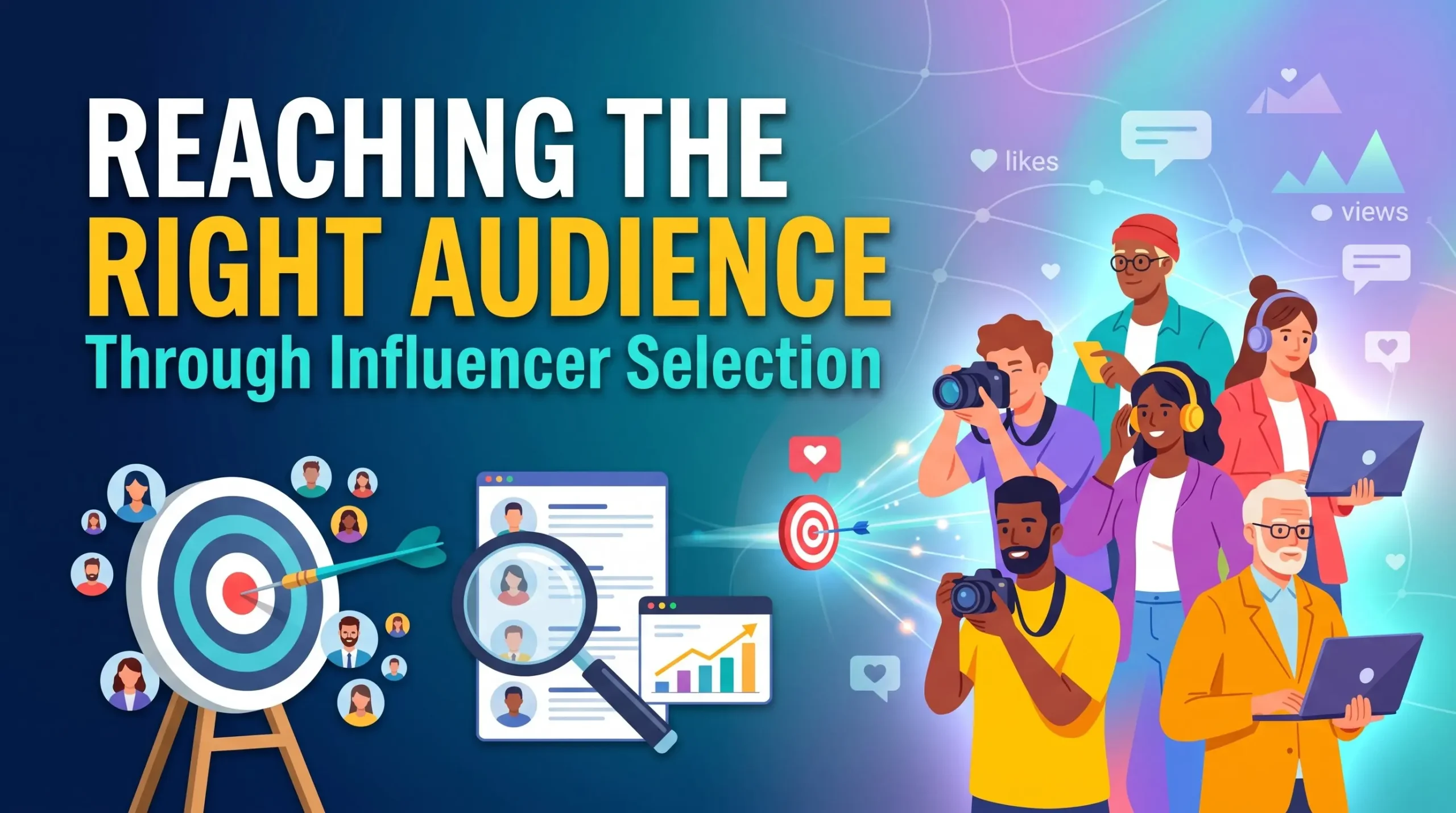 Choosing suitable influencers is one of the most important steps in a successful campaign. Brands should identify creators whose audience characteristics, communication style, and content themes align with their marketing objectives. The right partnership helps a business reach potential customers in a context that feels relevant instead of interrupting them with unrelated promotional messages.
Understanding Different Types of Influencers
Influencers are often categorized by audience size, ranging from nano and micro-influencers to macro-influencers and celebrities. Nano and micro-influencers may serve smaller communities with specialized interests, while larger creators can provide broader exposure across multiple audience segments.
The most appropriate category depends on the campaign’s purpose, budget, and target market. A local business may benefit from a creator with a strong regional following, whereas a national consumer brand might seek wider exposure. Businesses should assess audience relevance and engagement quality alongside follower numbers to make informed decisions.
Evaluating Audience Relevance and Engagement
Before selecting an influencer, brands should examine the creator’s audience, previous collaborations, content quality, and typical interactions. Comments and discussions can reveal whether followers are genuinely interested in the creator’s recommendations or whether engagement appears superficial.
Businesses should also consider geographic relevance, particularly when products or services are available only in specific markets. A campaign targeting customers in one country may deliver limited value if most of the influencer’s audience lives elsewhere. Careful evaluation helps brands allocate marketing budgets toward partnerships with a stronger likelihood of reaching the intended customers.
The Role of Visual Marketing in Influencer Campaigns
Visual Marketing helps brands communicate product benefits through images, videos, demonstrations, and other visual formats. Influencers can incorporate products into their regular content, making it easier for audiences to understand how an offering looks, works, or fits into everyday life. Strong visual communication can attract attention and make promotional messages easier to remember.
Using Images and Videos to Demonstrate Products
Images and videos can communicate product features more clearly than text alone. A creator might demonstrate how a skincare product is applied, show how a software tool works, or explain how a fitness accessory supports a workout. These formats give audiences a more concrete understanding of the product before purchasing.
Brands should provide accurate product information while allowing creators to present it in a style that suits their audience. Clear demonstrations, realistic expectations, and useful explanations can make content more persuasive without relying on exaggerated claims. The goal is to help potential customers understand the product’s value.
Choosing the Right Visual Content Format
Different platforms and audiences respond to different visual formats. Short videos may work well for quick demonstrations, while longer tutorials can provide detailed explanations. Product photography, comparison videos, live demonstrations, and behind-the-scenes content can also support specific campaign objectives.
Brands should choose formats based on audience preferences and the complexity of the message. A simple product may need a brief demonstration, while a technical service may require a detailed walkthrough. Matching content format to audience needs helps campaigns communicate information clearly and encourages meaningful engagement.
Building Strong Connections Through Brand Storytelling
 Brand Storytelling helps businesses communicate their identity, purpose, and value through relatable narratives. Influencers can bring these stories to life by explaining how a product fits into their experiences or how a brand addresses a specific customer need. Stories often make brand messages more memorable because audiences can connect them with real situations.
Creating Authentic Influencer Stories
Authentic storytelling allows creators to explain products in their own voices while communicating important brand information. Rather than repeating a rigid promotional script, an influencer can demonstrate a product, describe a relevant experience, and explain why particular features may matter to the audience.
Brands should establish clear campaign objectives and provide accurate information without forcing creators to make personal claims they cannot support. Sponsored content should reflect the creator’s genuine perspective and clearly disclose the commercial relationship. This approach supports credibility while helping the brand maintain consistent messaging.
Connecting Brand Values With Audience Interests
Customers may feel more connected to brands whose values reflect their interests or priorities. Influencers can help communicate these values by creating content around relevant themes, such as sustainability, education, creativity, fitness, or community involvement.
For example, a company promoting reusable products could collaborate with a creator who regularly discusses reducing household waste. The partnership becomes more relevant because the message connects with existing audience interests. Brands should ensure that such collaborations reflect their actual practices rather than presenting unsupported environmental or social claims.
Creative Advertising Through Influencer Partnerships
Creative Advertising helps brands present promotional messages in ways that attract attention and encourage interaction. Influencer partnerships offer opportunities to combine product information with tutorials, challenges, demonstrations, reviews, and entertaining content. This approach can make campaigns more engaging while giving potential customers a clearer understanding of what a brand offers.
Developing Campaigns That Encourage Interaction
Interactive influencer campaigns invite audiences to participate rather than simply view an advertisement. Creators can encourage followers to ask questions, share experiences, participate in relevant challenges, or discuss how they use a particular product. These interactions help brands understand audience interests while extending campaign engagement.
Campaign activities should have a clear purpose and remain relevant to the audience. For example, a learning platform could collaborate with an educational creator on a short skills challenge that introduces a course topic. Such an activity provides value while naturally connecting the audience with the brand’s offering.
Maintaining Creative Freedom and Brand Consistency
Influencers understand the content styles and communication patterns their audiences expect. Giving creators reasonable creative freedom helps sponsored content feel natural and consistent with their established voice. At the same time, brands need clear guidelines covering key messages, factual accuracy, visual identity, and disclosure requirements.
The most effective partnerships balance creative independence with campaign objectives. Businesses can provide product information, approved claims, and examples of desired outcomes without controlling every detail. Reviewing content before publication can help identify errors while preserving the creator’s authentic presentation style.
Improving Brand Awareness and Customer Engagement
Influencer Marketing can increase brand awareness by introducing a business to audiences who may not have discovered it through traditional advertising. When creators share relevant content, followers can learn about a brand, visit its website, explore its products, or discuss the recommendation with others. These interactions can help build recognition over time.
Expanding Reach Into Relevant Communities
Influencers often develop communities around specific interests, professions, lifestyles, or hobbies. Collaborating with several carefully selected creators can help a brand reach different audience segments without using the same message everywhere.
For example, a business selling productivity tools might work with a study-skills creator, a remote-work specialist, and a small-business educator. Each partnership can demonstrate a different use case while maintaining a consistent brand identity. This strategy allows the business to reach multiple relevant communities with tailored messages.
Encouraging Meaningful Customer Interactions
Engagement includes more than likes and views. Questions, thoughtful comments, shares, saved posts, product inquiries, and conversations about a campaign can indicate that audiences are actively considering a brand’s message.
Businesses should monitor these interactions and respond where appropriate. Answering questions, clarifying product details, and directing interested customers toward useful resources can help turn campaign attention into deeper engagement. Evaluating the quality of interactions provides a better understanding of audience interest than relying solely on visible engagement totals.
Measuring Influencer Marketing Campaign Performance
 Measuring performance helps brands determine whether influencer partnerships are reaching the intended audience and supporting business objectives. Before launching a campaign, businesses should define what success means, choose appropriate indicators, and establish a method for tracking results. This makes it easier to compare creators and improve future campaigns using evidence rather than assumptions.
Tracking Reach, Engagement, and Conversions
Reach and impressions help estimate how many people encountered campaign content, while engagement metrics measure interactions such as comments, shares, and saves. Website visits and referral traffic can indicate whether the content encouraged people to explore the brand further.
Conversions provide a more direct view of business results. Brands can use trackable links, campaign-specific discount codes, or appropriate analytics tools to measure purchases, registrations, and inquiries. The right metrics depend on whether the primary goal is awareness, consideration, lead generation, or sales.
Evaluating Return on Investment
Return on investment helps businesses compare the value generated by a campaign with its total cost. Costs may include influencer fees, product samples, content production, campaign management, and paid distribution. Revenue, qualified leads, or other measurable outcomes can then be evaluated against these expenses.
Not every campaign produces immediate sales. Awareness-focused partnerships may contribute to future conversions by introducing a brand to new audiences. Businesses should therefore consider both short-term results and longer-term effects while using appropriate tracking methods and realistic attribution assumptions.
Common Influencer Marketing Mistakes to Avoid
Influencer campaigns may underperform when brands choose creators based only on follower counts, ignore audience relevance, or use promotional messages that feel disconnected from the creator’s usual content. Poor communication can also lead to inconsistent messaging, missed deadlines, and unclear expectations about deliverables.
Another mistake is failing to establish measurable objectives before launching a campaign. Without defined goals, businesses may struggle to determine whether the partnership improved awareness, engagement, website traffic, or conversions. Brands should agree on expectations and tracking methods before content goes live.
Finally, businesses should avoid treating influencer partnerships as a substitute for product quality or customer service. Marketing can introduce a brand to potential customers, but the product experience ultimately influences satisfaction and repeat purchases. Long-term success depends on delivering value after the campaign generates attention.
Conclusion
Influencer Marketing helps brands reach target audiences by connecting their products and services with creators who have relevant communities and established relationships with followers. Through Visual Marketing, authentic Brand Storytelling, and engaging Creative Advertising, businesses can communicate product value in ways that resonate with potential customers.
Selecting suitable influencers, maintaining creative authenticity, and measuring campaign performance are essential for achieving meaningful results. By focusing on audience relevance and genuine value rather than popularity alone, brands can strengthen awareness, encourage engagement, and build lasting customer relationships.
Frequently Asked Questions
1. How does influencer marketing help brands reach target audiences?
Influencer Marketing connects brands with creators whose followers share relevant interests, needs, or characteristics. This allows businesses to introduce their offerings to potential customers through content that fits the audience’s preferences.
2. Why is influencer selection important?
Influencer selection determines whether a campaign reaches the right people. Audience relevance, engagement quality, credibility, content style, and geographic alignment can be more valuable than follower numbers alone.
3. What is the role of visual marketing in influencer campaigns?
Visual Marketing uses images, videos, and demonstrations to communicate product features and benefits. Influencers can use these formats to make offerings easier to understand and more engaging for potential customers.
4. How does brand storytelling improve influencer marketing?
Brand Storytelling connects product information with relatable experiences and values. Authentic stories can help audiences understand a brand’s purpose and remember its message more effectively.
5. What is creative advertising in influencer marketing?
Creative Advertising presents promotional messages through engaging formats such as tutorials, challenges, demonstrations, and storytelling. It helps brands attract attention while delivering useful information to relevant audiences.
6. Are micro-influencers effective for small businesses?
Yes. Micro-influencers can be effective when their audiences closely match a business’s target market. Their specialized content and community relationships may help generate meaningful engagement within a focused budget.
7. How can brands measure influencer marketing success?
Brands can measure reach, impressions, engagement, referral traffic, leads, conversions, and campaign revenue. The most relevant metrics depend on whether the campaign focuses on awareness, engagement, or sales.
8. How can brands make influencer campaigns more authentic?
Brands can select creators who genuinely align with their products, provide accurate information, and allow creative freedom. Clear sponsorship disclosures and honest product demonstrations also help maintain audience trust.
9. Does influencer marketing increase sales?
Influencer Marketing can contribute to sales by introducing products to relevant audiences, explaining benefits, and encouraging people to explore an offering. Actual results depend on audience fit, product value, campaign execution, and the purchasing experience.
10. What are the biggest challenges in influencer marketing?
Common challenges include finding suitable creators, verifying audience quality, maintaining authentic messaging, measuring results, and managing campaign costs. Clear goals, careful selection, and consistent performance tracking can help address these challenges.