Branded Entertainment helps modern brands connect through engaging, story-driven content. It builds trust, boosts real-time brand growth, and drives audience engagement across every digital platform without traditional advertising.
Branded Entertainment has become one of the most powerful ways for modern businesses to connect with their audiences without relying on traditional advertising. Instead of pushing promotional messages, brands now focus on creating entertaining, valuable, and emotionally engaging content that naturally includes their brand story. In the first few seconds of interaction, audiences decide whether content is worth their time, and Branded Entertainment helps brands win that moment. From short-form videos to podcasts and web series, this strategy allows companies to grow trust while delivering value. As competition increases across digital platforms, Branded Entertainment matters because it helps brands stay relevant, memorable, and authentic in an attention-driven economy.
What Is Branded Entertainment?
Branded Entertainment is a marketing approach where brands create or sponsor content designed to entertain rather than directly sell. The goal is to integrate the brand message seamlessly into stories, experiences, or media formats that audiences already enjoy. Unlike traditional ads, Branded Entertainment focuses on storytelling, creativity, and emotional engagement. This could include branded films, YouTube series, interactive campaigns, or influencer collaborations. By placing entertainment first, brands reduce resistance and increase engagement. When executed well, Branded Entertainment allows audiences to associate positive feelings with the brand, making it more impactful and longer-lasting than standard promotional content.
Why Branded Entertainment Matters in Modern Marketing
In today’s digital-first environment, consumers have more control over what they watch, read, and engage with. They often skip or block messages that feel disruptive or overly promotional. Because of this shift, brands must adapt by delivering content that feels natural, relevant, and valuable. Story-Driven Brand communication helps businesses share their purpose and personality without interrupting the audience experience. People are more likely to remember narratives that entertain or inspire rather than direct sales messages. For marketers competing in crowded digital spaces, this approach creates meaningful differentiation. It focuses on building relationships instead of chasing quick conversions, allowing brands to earn attention gradually. Over time, these emotional connections strengthen credibility, encourage repeat engagement, and foster trust that supports sustainable growth and long-term audience loyalty.
Branded Entertainment vs Traditional Advertising
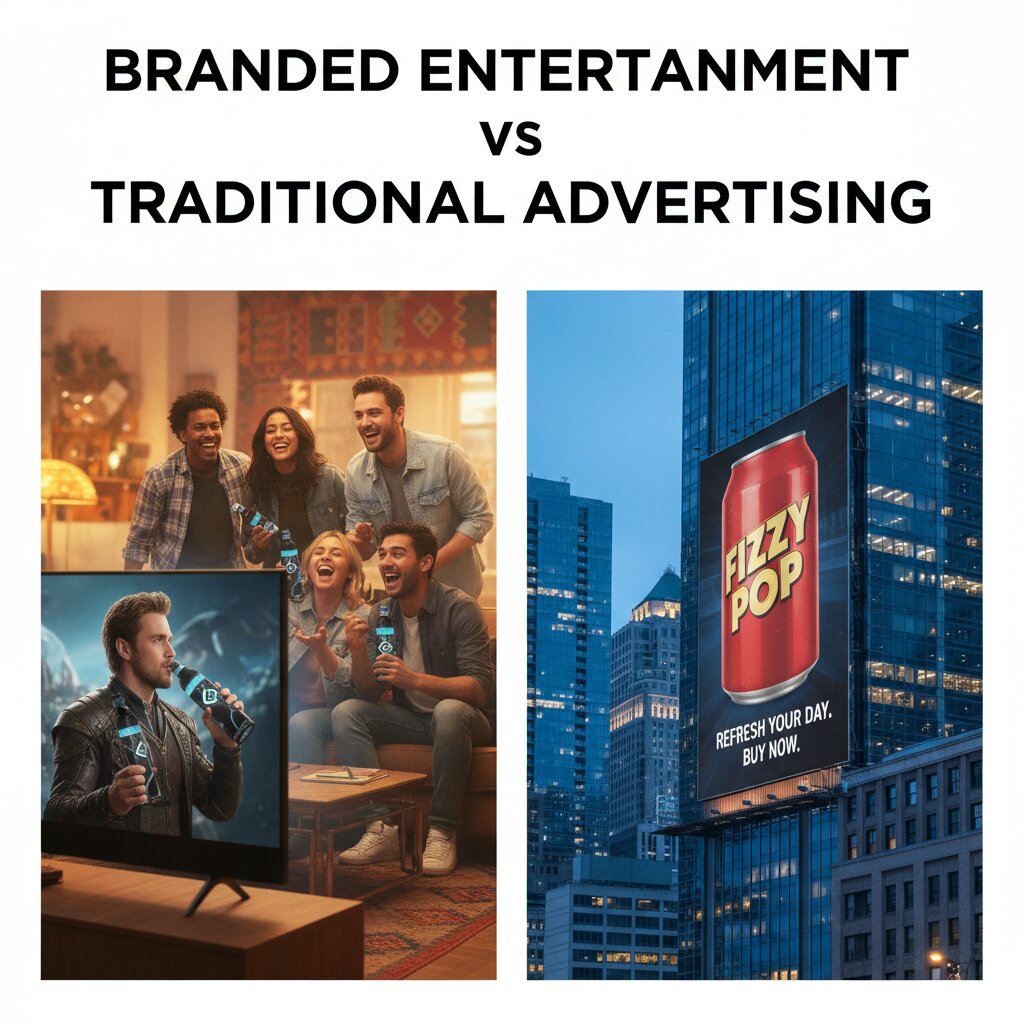
Traditional advertising is built around direct promotion, often emphasizing features, pricing, and limited-time offers. In contrast, modern content-led approaches prioritize connection and interaction over persuasion. This change influences how audiences respond to brand messages. Rather than feeling pressured to buy, viewers feel engaged, entertained, or emotionally connected. In digital spaces where people choose what to watch and ignore, this type of content performs more effectively. Because it blends naturally into feeds and platforms, audiences are more willing to spend time with it and share it with others. This organic reach helps brands expand visibility without relying heavily on paid media. Over time, this approach becomes more adaptable and future-ready, making it ideal for businesses aiming to stay relevant and memorable in an evolving digital landscape.
How Branded Entertainment Drives Real-Time Brand Growth
This approach drives immediate growth by motivating audiences to interact as soon as content appears on social platforms. When people connect with a message, they respond through likes, comments, and shares, creating instant momentum. These actions signal relevance to algorithms, which helps increase organic visibility. Brands can track performance in real time and quickly adjust messaging based on audience reactions. It also enables businesses to participate in trending discussions in a natural way, without sounding promotional or forced. Over time, consistent interaction strengthens recognition and credibility. By blending creativity with timely execution, brands can build steady engagement patterns that support long-term value, stronger visibility, and authentic connections while continuing to grow in fast-moving digital environments.
Using Branded Entertainment to Grow the Brand on Every Platform
One of the greatest advantages of this approach is its ability to adapt seamlessly across multiple platforms. A single creative concept can be reshaped into short-form videos, in-depth articles, podcasts, or engaging social posts without losing its core message. This flexibility allows businesses to maintain consistency while reaching audiences in different digital spaces. By adjusting formats to suit each channel, brands can extend their reach and keep content relevant to how users consume media. Whether on video platforms, professional networks, or social feeds, this strategy helps maintain visibility. Being present where audiences spend time strengthens familiarity and trust, ensuring the message remains impactful across an increasingly fragmented digital landscape. Explore the Full Article: Grow the Brand on Every Platform.
Branded Entertainment as a Strategic Guide for Modern Brands
For today’s businesses, this approach functions as a long-term roadmap rather than a short-lived campaign. It pushes brands to think beyond immediate sales and focus on values, audience preferences, and cultural relevance. By shifting away from hard selling, companies can build more meaningful and lasting connections with their audiences. It also helps maintain consistency across campaigns, ensuring the message feels unified and recognizable everywhere it appears. As expectations continue to change, audiences respond more positively to brands that feel authentic and human. Adopting this mindset allows companies to remain flexible, relevant, and competitive, even as platforms, trends, and consumer behaviors evolve rapidly in the digital marketplace. Get Detailed Insights: Strategic Guide for Modern Brands.
Content Ideas for B2B Brands Using Branded Entertainment
This approach is not limited to consumer-focused companies; it is equally effective for business-to-business organizations.B2B Influencer Marketing can use formats such as mini-documentaries, expert interviews, behind-the-scenes insights, and educational stories to share knowledge and experience. These content styles allow companies to demonstrate expertise without sounding overly promotional. By addressing real challenges and offering practical insights, businesses can build authority and trust, which are especially important in longer decision-making cycles. When information is delivered in an engaging and relatable way, audiences are more likely to stay attentive and remember the message. This balance between education and engagement makes the strategy highly valuable for B2B marketing and long-term thought leadership. Learn More About This Topic: Content Ideas for B2B Brands.
Measuring the Impact of Branded Entertainment
Evaluating this type of content requires looking beyond basic metrics like clicks and impressions. More meaningful indicators include engagement levels, viewing duration, social sharing, and overall audience sentiment. These signals show how strongly people connect with the message. Often, the results appear indirectly through increased awareness, stronger loyalty, and growing recognition over time. Brands can also monitor audience expansion and repeated interactions to understand long-term impact. By combining numerical data with qualitative feedback, marketers gain deeper insights into what resonates. This balanced analysis helps refine future content efforts, improve storytelling approaches, and ensure that creative initiatives align with broader marketing objectives and sustainable growth goals.
How Brands Can Start with Branded Entertainment
Getting started with Branded Entertainment does not require massive budgets or complex production. The key is understanding your audience and creating content that aligns with their interests. Successful Branded Entertainment begins with a clear story, not a sales message. Brands should focus on value, entertainment, and consistency across platforms. Even simple formats like short videos, interviews, or storytelling posts can create strong engagement when done authentically.
Key steps to get started:
- Identify audience interests and pain points
- Choose content formats that fit your platform
- Focus on storytelling, not selling
- Maintain consistent brand tone and values
| Step | Purpose | Result |
|---|---|---|
| Audience Research | Understand viewers | Relevant content |
| Story Planning | Build engagement | Higher retention |
| Content Distribution | Reach users | Wider visibility |
| Performance Review | Improve strategy | Better results |
Challenges and Best Practices in Branded Entertainment
While Branded Entertainment offers many benefits, it also comes with challenges. Creating high-quality content requires creativity, resources, and a clear understanding of the audience. One common mistake is focusing too much on branding and not enough on entertainment. Best practices include prioritizing storytelling, collaborating with creators, and maintaining authenticity. Brands should also stay consistent and patient, as Branded Entertainment delivers results over time. When executed thoughtfully, it becomes a sustainable strategy that builds long-term value rather than quick wins.
Benefits of Branded Entertainment for Long-Term Growth
Branded Entertainment delivers long-term value by building emotional connections rather than short-term conversions. When audiences enjoy content, they develop trust and familiarity with the brand. Over time, this leads to stronger brand loyalty and organic advocacy. Branded Entertainment also supports scalability, as one idea can be reused across multiple platforms. It becomes a sustainable growth engine rather than a one-time campaign.
Core benefits include:
- Stronger audience trust
- Higher engagement rates
- Improved brand recall
- Consistent real-time marketing alanytics
| Benefit | Impact on Brand | Long-Term Value |
|---|---|---|
| Emotional Connection | Builds loyalty | Repeat engagement |
| Shareable Content | Increases reach | Organic growth |
| Platform Flexibility | Saves resources | Scalable strategy |
| Authentic Messaging | Boosts credibility | Brand authority |
The Future of Branded Entertainment
The future of Branded Entertainment will be shaped by personalization, technology, and audience-driven storytelling. As platforms evolve, brands will move beyond static content toward interactive and immersive experiences such as live streams, short-form storytelling, and AI-driven content formats. Branded Entertainment will rely more on real-time data to understand audience behavior and deliver relevant stories at the right moment. Consumers will expect authenticity, purpose, and value, pushing brands to focus on meaningful narratives rather than promotion. As attention spans shrink, creative storytelling will become the key differentiator. Brands that invest in consistent, high-quality Branded Entertainment will be better positioned to build trust, drive engagement, and achieve sustainable growth in a rapidly changing digital landscape.
Conclusion
Branded Entertainment is no longer optional—it is a necessity for brands that want to remain relevant and trusted. As audiences demand value-driven content, this approach offers a powerful way to connect without interruption. By combining creativity, strategy, and authenticity, Branded Entertainment helps brands grow stronger relationships with their audiences. Whether for B2B or B2C, this strategy supports real-time brand growth and long-term success. Brands that invest in meaningful entertainment today will be the ones that stand out tomorrow.
Frequently Asked Questions (FAQs)
1. What is Branded Entertainment?
Branded Entertainment is a marketing strategy where brands create or sponsor entertaining content that subtly integrates their message. Instead of direct promotion, it focuses on storytelling and engagement to build stronger audience connections.
2. Why is Branded Entertainment important for modern brands?
Branded Entertainment matters because audiences avoid traditional ads. This approach delivers value first, helping brands earn attention, trust, and long-term loyalty in a competitive digital landscape.
3. How does Branded Entertainment differ from traditional advertising?
Traditional advertising pushes products, while Branded Entertainment pulls audiences in through entertainment. It feels organic, less intrusive, and more engaging, which improves brand recall and emotional connection.
4. Can Branded Entertainment work for B2B brands?
Yes, Branded Entertainment works well for B2B brands through formats like educational series, expert interviews, and behind-the-scenes stories that build authority without sounding overly promotional.
5. What types of content are used in Branded Entertainment?
Common formats include branded videos, web series, podcasts, social media campaigns, influencer collaborations, and interactive experiences designed to entertain while reinforcing brand identity.
6. How does Branded Entertainment support real-time brand growth?
Branded Entertainment encourages immediate engagement such as likes, shares, and comments. This real-time interaction boosts visibility and helps brands grow faster across digital platforms.
7. Is Branded Entertainment suitable for small businesses?
Yes, small businesses can use Branded Entertainment by creating authentic, low-budget content focused on storytelling, customer experiences, and value-driven messaging rather than expensive productions.
8. How do you measure the success of Branded Entertainment?
Success is measured through engagement metrics, watch time, shares, brand sentiment, and audience growth. These insights show how effectively Branded Entertainment connects with viewers.
9. What are the biggest challenges in Branded Entertainment?
The main challenges include maintaining authenticity, creating consistent content, and balancing entertainment with branding. Over-promoting can reduce effectiveness and audience interest.
10. What is the future of Branded Entertainment?
The future of Branded Entertainment is data-driven, platform-focused, and story-led. Brands that prioritize creativity and audience value will see stronger engagement and sustainable growth.