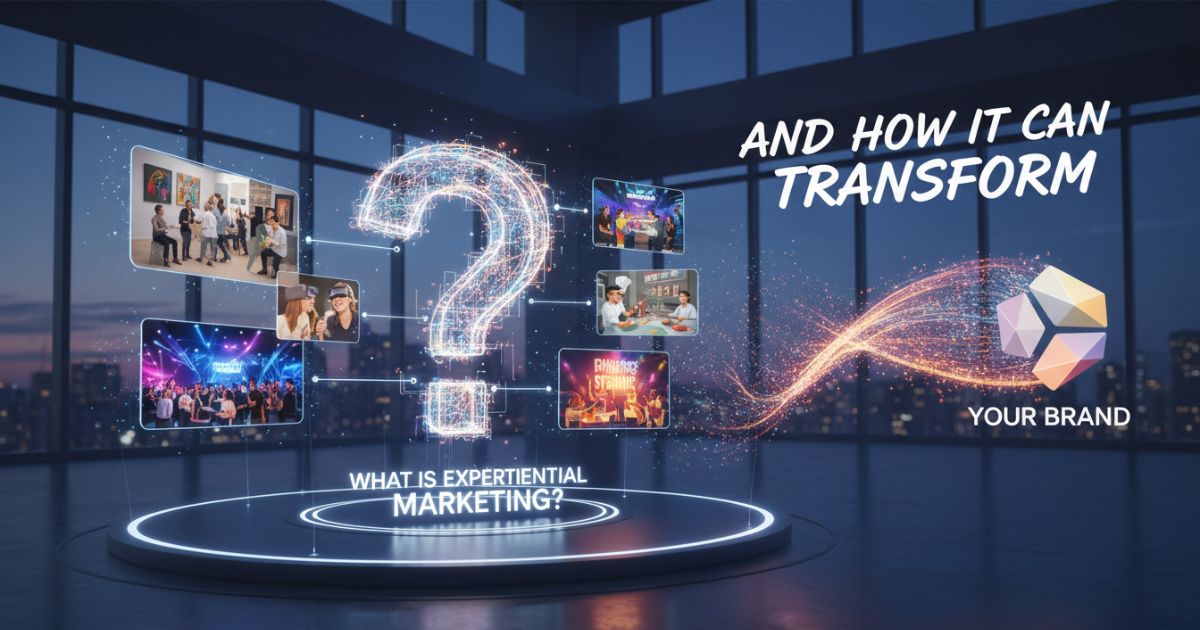
Marketing today is no longer just about pushing products or services. Consumers want meaningful experiences that make them feel connected to the brands they support. This is where experiential marketing comes in. Unlike traditional advertising, experiential marketing focuses on creating memorable, immersive brand experiences that engage people on an emotional level and leave a lasting impression.
In simple terms, experiential marketing allows brands to interact directly with their audience, turning customers into active participants rather than passive observers. These experiences can range from pop-up events and live activations to interactive campaigns and brand activations that combine digital marketing and physical touchpoints.
The benefits of experiential marketing are significant. It builds stronger brand loyalty, increases word-of-mouth promotion, and helps brands stand out in crowded markets. By creating experiences that resonate with people, businesses can foster deeper connections and improve customer retention.
Whether you are a marketer, business owner, or entrepreneur, understanding experiential marketing is essential for modern brand building. In this guide, we’ll explore what experiential marketing really means, how it works, and share real-world examples that demonstrate its power to transform your brand and create meaningful engagement with your audience.
This approach not only strengthens emotional bonds but also amplifies social media reach, encourages user-generated content, and drives higher engagement across multiple channels. By the end of this guide, you’ll have a clear understanding of how to leverage experiential marketing to create unforgettable experiences that leave a lasting impact.
What Is Experiential Marketing?
Experiential marketing is all about creating memorable brand experiences that engage multiple senses and leave a lasting impression on your audience. Unlike traditional marketing methods, which rely mainly on advertisements, digital campaigns, or passive content, experiential marketing emphasizes real-world interactions that immerse customers in the brand story.
Instead of simply telling your audience what your brand represents, experiential marketing shows them in a creative, interactive, and often immersive way. Customers become active participants, forging personal connections that go beyond typical advertising. Think of it like the difference between watching a promotional video about skydiving and actually jumping out of a plane yourself—an unforgettable experience.
Key Characteristics of Experiential Marketing:
Interactive: Customers engage directly with the brand through events, activities, or live activations.
Memorable: The goal is to create moments that stick in the mind and inspire word-of-mouth promotion.
Emotionally Driven: Experiences leverage emotional connections to foster brand loyalty and strengthen customer relationships.
Storytelling-Centric: Most experiential campaigns revolve around a compelling narrative, making the brand experience meaningful and engaging.
Why Experiential Marketing Matters
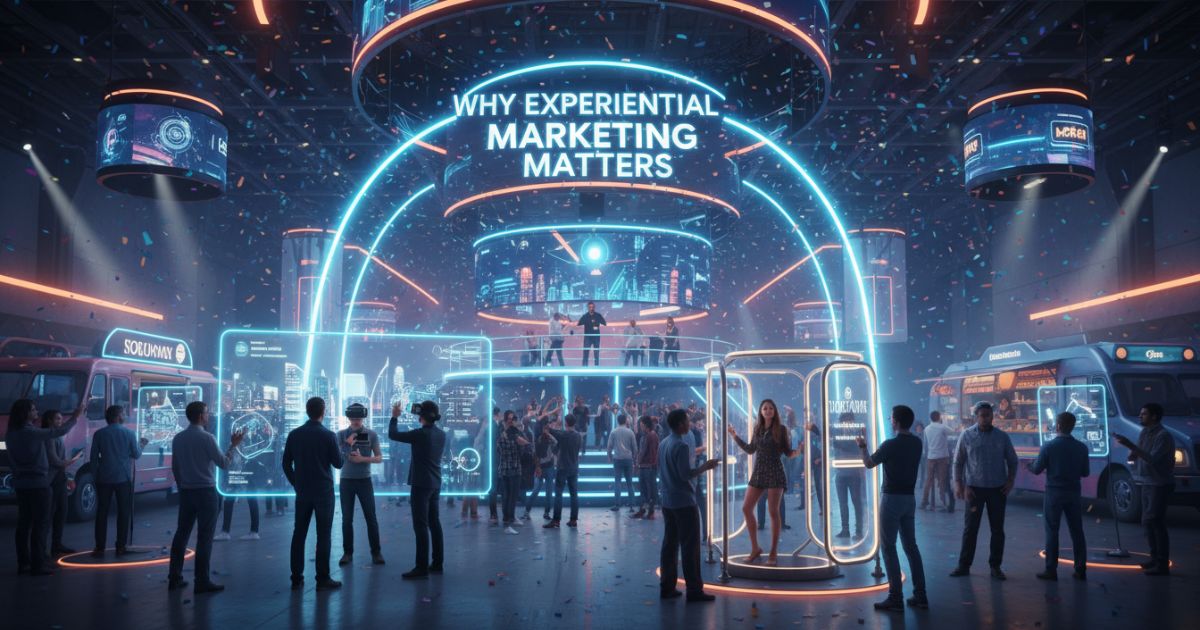
Experiential marketing goes beyond traditional advertising and digital campaigns because it connects with customers on a deeper, more meaningful level. Here’s why it works so effectively for brands and modern audiences alike:
Improved Brand Awareness
Memorable brand experiences are naturally shareable. Through social media posts, reviews, and word-of-mouth marketing, an engaging experience can amplify your brand visibility quickly and organically.
Stronger Emotional Connections
People remember how brands make them feel. Interactive experiences create emotional touchpoints that make your brand more memorable, fostering a stronger connection between the customer and your business.
Word of Mouth and Social Sharing
When customers feel like they’re part of something unique, they share their experiences. This generates organic engagement on platforms like Instagram, TikTok, or Facebook, expanding your brand reach without relying solely on paid advertising.
Higher Customer Loyalty
Involving customers personally in your brand experience builds trust and authenticity. Fun, immersive campaigns encourage repeat interactions, strengthen brand loyalty, and cultivate long-term customer relationships.
Better Customer Insights
Experiential marketing campaigns allow brands to observe customer behavior directly. This gives insights into preferences, reactions, and engagement patterns that can inform future marketing strategies and product improvements.
Differentiation from Competitors
Creating unique brand experiences sets your business apart in crowded markets. Memorable experiential campaigns make your brand stand out, leaving a lasting impression that traditional advertising often cannot achieve.
Increased Conversion Opportunities
Immersive experiences often lead to higher conversion rates because customers feel more emotionally invested. They are more likely to purchase, subscribe, or engage further after a hands-on or interactive brand experience.
For Further Reading, Content Marketing Best Practices
Types of Experiential Marketing
Now that you understand why experiential marketing is so impactful, let’s explore some of its most popular and effective forms. Each type focuses on creating memorable brand experiences that engage audiences in unique ways.
Pop-Up Installations
Temporary pop-up shops or immersive installations in high-traffic locations are a fantastic way to showcase your brand. These experiences often feature interactive displays or limited-edition products that encourage visitors to engage and share their experience.
Example: Glossier launched a pop-up in Seattle designed like a 3D version of its Instagram grid, allowing customers to test products and capture Instagram-worthy moments, blending social media marketing with real-world interaction.
Events and Activations
Hosting exclusive events, from launch parties to workshops, enables brands to connect directly with their target audience in creative and memorable settings. These activations allow for deeper brand storytelling and engagement.
Example: REI’s #OptOutside campaign encouraged customers to skip traditional shopping on Black Friday and instead enjoy outdoor experiences, reinforcing brand values while creating a shared customer experience.
Product Sampling or Demos
Offering free samples or live product demonstrations remains a simple yet powerful way to immerse customers in your brand experience. This approach allows consumers to experience the product firsthand, building trust and affinity.
Example: Nespresso’s in-store coffee tastings let customers taste premium coffee, providing a sensory experience that goes beyond standard advertising.
Guerrilla Campaigns
Guerrilla marketing involves unexpected, eye-catching tactics in public spaces that surprise and delight audiences. These campaigns often generate viral marketing potential through social sharing.
Example: Coca-Cola’s “Happiness Machine” placed a vending machine on a college campus that dispensed not only soda but flowers, pizza, and other fun surprises, creating a memorable brand moment that was widely shared online.
Virtual and Augmented Reality Experiences
Advanced digital technologies like VR and AR allow brands to create immersive experiences for both online and offline audiences. These experiences deepen customer engagement and allow interactive exploration of products or services.
Example: IKEA’s Place app uses AR technology to let customers visualize furniture in their own homes before purchasing, providing a practical yet highly engaging experiential interaction.
Interactive Workshops and Classes
Offering hands-on workshops or classes lets participants actively learn and engage with your brand, turning education into entertainment. This creates long-lasting emotional connections and encourages social sharing.
Example: A beauty brand hosting a DIY skincare workshop allows customers to create products, share their creations on social media, and experience the brand firsthand.
How to Create an Effective Experiential Marketing Campaign
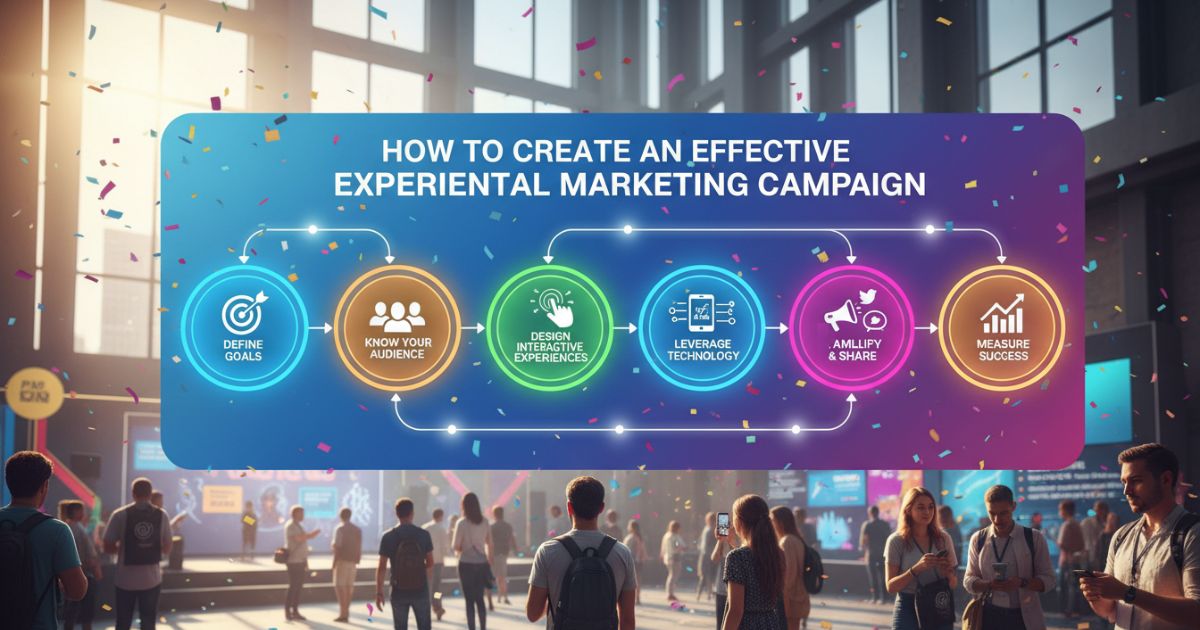
Incorporating experiential marketing into your strategy requires careful planning and execution. Follow these six actionable steps to create campaigns that leave a lasting impression and drive meaningful engagement.
Understand Your Audience
Know exactly who you’re trying to reach and what excites them. Consider their demographics, interests, and pain points. A successful campaign speaks directly to the needs and desires of your target audience, making them feel connected to your brand.
Identify Your Objectives
Be clear about what you want to achieve. Whether it’s increasing brand awareness, driving sales, or boosting social media engagement, defining specific goals helps you design a focused and measurable campaign.
Craft a Compelling Story
Every great experiential marketing campaign tells a story. Share your brand’s values, mission, or product journey in a way that is memorable and relatable. Stories create emotional connections that stick with your audience long after the experience ends.
Prioritize Interaction
Encourage active participation rather than passive observation. Let your audience touch, try, or engage with your product. The more immersive and hands-on the experience, the more likely it is to generate positive brand perception and lasting impressions.
Leverage Social Media
Make your experience shareable. Design photo-worthy moments, use branded hashtags, or incorporate geotags so participants can post on platforms like Instagram, TikTok, or Facebook. User-generated content amplifies your campaign organically and extends its reach far beyond the physical event.
Track and Measure Results
Use metrics to evaluate the success of your campaign. Surveys, engagement rates, social media mentions, and ROI tracking help you understand what worked and where improvements are needed. Continuous measurement ensures future experiential campaigns become even more impactful.
By following these steps, you can create experiential marketing campaigns that not only attract attention but also foster brand loyalty, generate social buzz, and deliver measurable results.
Real-World Experiential Marketing Success Stories
If you’re looking for inspiration, these top-tier campaigns stand out for their creativity and effectiveness.
1. Netflix’s Stranger Things Maze
To promote a new season of Stranger Things, Netflix transformed a house in LA into an immersive 1980s Hawkins, Indiana experience, complete with Demogorgon encounters.
Result? People traveled across the country to see it, with thousands sharing videos on social media.
2. Spotify’s Wrapped Activation
Spotify Wrapped’s personalized data insights turned into a real-life installation in New York City, where users could see their stats displayed on massive screens and interact with artists in unique ways.
Result? Increased user interaction both online and offline, boosting Spotify’s market dominance.
Use Experiential Marketing to Transform Your Brand
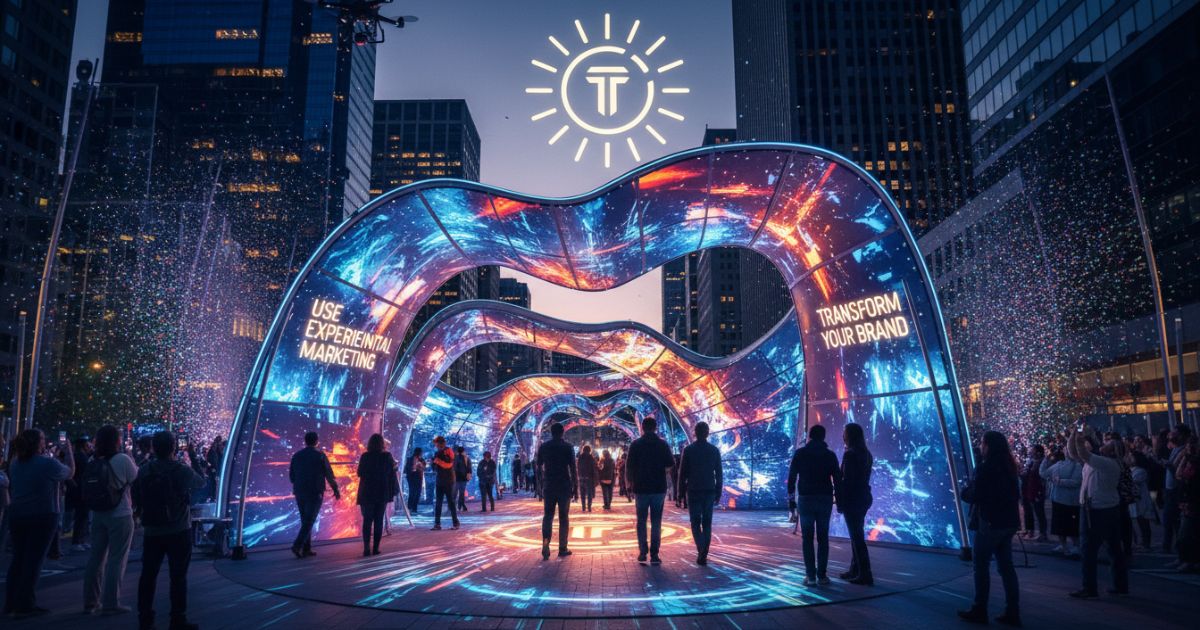
Experiential marketing is more than a passing trend—it’s a powerful strategy for creating emotional connections and building long-term brand loyalty. By offering your customers a memorable experience, you can make your brand stand out in a crowded marketplace, generate buzz, and turn casual buyers into lifelong fans.
The key to successful experiential marketing is making your audience feel seen, heard, and understood. Every interaction, whether a pop-up installation, immersive event, or interactive campaign, should engage multiple senses and leave a lasting impression. The goal is not just to promote a product but to create meaningful moments that people want to share.
To get started, brainstorm creative ways your team can bring your brand story to life. Think about experiences that spark curiosity, encourage participation, and inspire social sharing. Consider combining digital and physical experiences, such as AR activations, interactive workshops, or virtual events, to reach audiences wherever they are.
Start designing experiences that matter, focus on creating real connections, and watch how experiential marketing can transform your brand’s visibility, credibility, and customer engagement.
Conclusion
Experiential marketing is more than just a marketing tactic—it’s a strategy that connects your brand with people on a personal and emotional level. By creating memorable brand experiences, immersive events, and interactive campaigns, businesses can foster brand loyalty, encourage social sharing, and differentiate themselves in crowded markets.
The power of experiential marketing lies in its ability to make your audience active participants rather than passive observers. When executed thoughtfully, it generates meaningful customer engagement, amplifies your brand awareness, and provides valuable insights into customer preferences and behavior.
By combining creativity, technology, and storytelling, your brand can design experiences that resonate, inspire, and leave a lasting impact. Start small, experiment with different formats like pop-ups, AR experiences, or interactive workshops, and continuously measure results to refine your campaigns. In doing so, experiential marketing becomes a driving force in building authentic connections and long-term business growth.
FAQs
What is experiential marketing?
Experiential marketing is a strategy that focuses on creating memorable, interactive brand experiences that engage customers emotionally and encourage active participation rather than passive observation.
Why is experiential marketing important for brands?
It strengthens brand loyalty, drives word-of-mouth promotion, increases social media engagement, and differentiates a brand from competitors by creating meaningful experiences.
What are common types of experiential marketing?
Popular forms include pop-up installations, live events and activations, product sampling, guerrilla marketing campaigns, virtual and augmented reality experiences, and interactive workshops or classes.
How can experiential marketing improve customer engagement?
By offering immersive, interactive experiences that appeal to multiple senses, experiential marketing encourages customers to participate, share content, and develop an emotional connection with your brand.
How do I measure the success of an experiential marketing campaign?
Success can be measured through social media mentions, engagement rates, attendee surveys, user-generated content, foot traffic, and ROI metrics to evaluate the impact on brand awareness and customer behavior.