Why VR Needs Interactive Storytelling
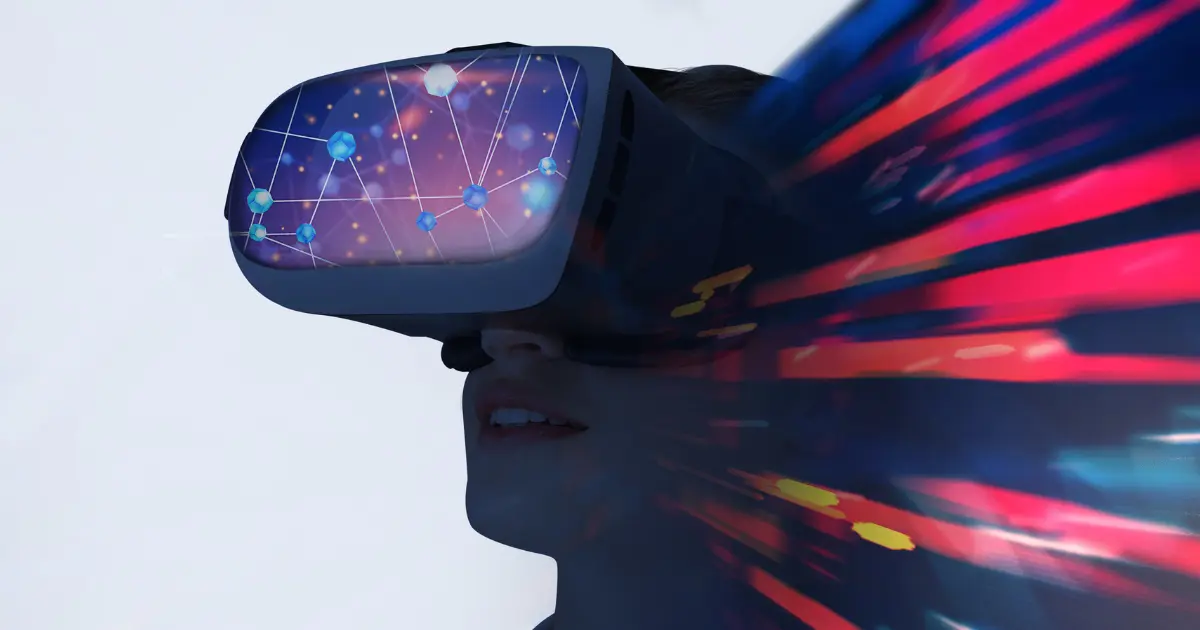
Virtual Reality (VR) is changing the way stories are being told and, more importantly, experienced and remembered. VR has tremendous untapped potential to deeply and memorably engage audiences—for brands, creators, and marketers. But the real story in VR—the ones that make VR stories truly compelling—lies in interactivity, which turns audience members into active participants, not just passive viewers.
Interactive VR storytelling isn’t just a gimmick. It’s a deeply emotional, memorable, and highly engaging way to tell stories. Unlike traditional formats, VR enables audiences to influence outcomes, shift perspectives, and experience a story personally.
Benefits of Interactive VR Storytelling
- Immersive engagement: Get inside the storyworld for a holistic experience.
- Memorable activities: Multisensory input + user actions = unforgettable memory imprint.
- Personalized storytelling: Each user experiences a unique narrative.
- High shareability: VR campaigns often go viral due to their experiential nature.
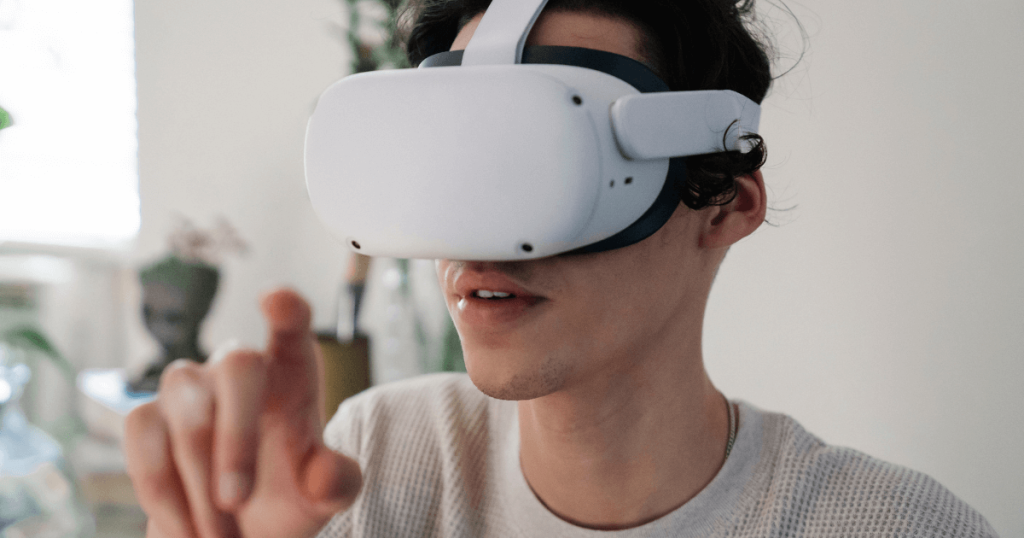
‘The 5th Sleep’ by Ubisoft
Campaign Overview
Ubisoft’s “The 5th Sleep” was a remarkable blend of interactive storytelling and neuroscience, created to promote the Assassin’s Creed franchise. This VR experience invites users to explore a surreal yet scientifically grounded journey through the human brain.
Why It Worked
- Immersive world-building with a surreal yet credible tone.
- Users explored brain functions via choice-based interaction.
- Subtle, non-intrusive brand integration.
Takeaway
You don’t need to yell your brand name. Build a captivating world, and your story will carry the brand forward organically.
Coca-Cola: ‘Santa’s Virtual Sleigh Ride’

Campaign Overview
Created by McCann for Coca-Cola and delivered over the O2 5G network, this magical experience let children join Santa’s sleigh ride, play holiday games, and deliver presents in a festive VR kingdom.
Why It Worked
- Evoked emotional holiday nostalgia.
- Gamified elements made it fun for all age groups.
- Cross-platform availability (VR headsets + mobile devices).
Takeaway
Tie your campaign to a universal emotion or tradition. Add game-like features to maximize interaction and joy.
IKEA Place App
Campaign Overview
The IKEA Place App turns customers into home designers, allowing them to virtually place furniture in their real rooms using VR.
Why It Worked
- Interactivity lets users make decisions that directly impact their space.
- Practical storytelling showing product utility in real-time.
- Personalized experiences strengthen ownership and loyalty.
Takeaway
VR isn’t always about fantasy. Use it to solve real-world problems and help users see value in action.
Alejandro G. Iñárritu’s “Carne y Arena”
Campaign Overview
From the Oscar-winning director of The Revenant, this powerful VR installation puts users in the shoes of a migrant crossing the U.S.-Mexico border. Physical environments combined with VR to make the journey tangible and terrifying.
Why It Worked
- Powerful emotional connection to a relevant issue.
- Use of sound, texture, and space created deep immersion.
- Respectful handling of a sensitive subject matter.
Takeaway
Don’t shy away from serious issues—but treat them with care. Combining physical with virtual storytelling opens doors to unprecedented impact.
The New York Times’ “The Displaced”
Campaign Overview
The Displaced tells the story of three children displaced by war. NYT mailed Google Cardboard VR viewers to subscribers, democratizing access to the experience.
Why It Worked
- Rooted in authentic, emotional storytelling.
- Smart distribution widened reach and accessibility.
- Top-tier cinematography captured powerful human moments.
Takeaway
Great VR storytelling connects to real-world causes. Align your message with meaning and purpose to deepen resonance.
Here’s How to Use These Principles
Inspired by these campaigns? Here’s your starter kit to master interactive VR storytelling:
- Start with your audience. Tap into their dreams, challenges, and emotions.
- Leverage technology. Enhance stories using AI, gamification, or AR features.
- Ensure accessibility. Reduce hardware needs for a broader reach.
- Build an emotional connection. Create feelings that last beyond the headset.
THIS IS WHERE STORYTELLING BEGINS…
Interactive VR storytelling offers brands a transformative opportunity to build richer, deeper, and longer-lasting relationships with their audiences.
Take inspiration from the imaginative examples above, but customize your approach to your own audience and brand voice. With tools like Unity and platforms like Oculus Developer Hub, starting your own VR storytelling campaign has never been easier.
Still not sure where to begin? Partner with VR professionals or agencies to turn your vision into a compelling, interactive reality.
Your brand’s story is waiting to be told—and VR is your new storytelling stage.