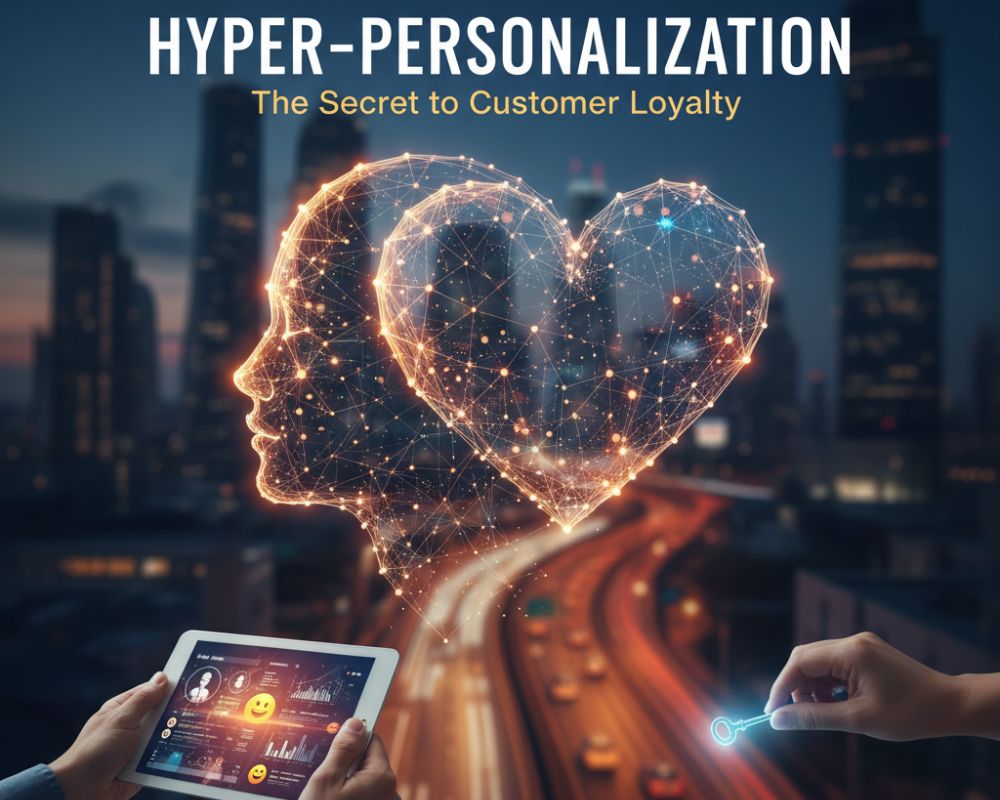
Customer loyalty has become harder to earn—and even harder to keep—in today’s crowded and fast-moving market. Brands are no longer competing only on product quality or price; they’re competing on how personal, relevant, and timely their customer experiences are. This is where hyper-personalization sets itself apart as a game-changing strategy.
Unlike basic personalization that simply plugs a customer’s name into an email, hyper-personalization uses real-time data, AI-driven insights, predictive analytics, and machine learning to deliver truly individualized experiences. It studies each customer’s behavior patterns, preferences, purchase history, browsing activity, and intent signals to curate one-to-one interactions that feel meaningful and intuitive.
From tailored product recommendations and dynamic website content to personalized offers and proactive customer support, hyper-personalization enables brands to anticipate needs before customers even express them. This level of precision creates stronger emotional connections, reduces churn, and drives long-term loyalty.
In this guide, you’ll discover practical hyper-personalization strategies, powerful data-driven techniques, and real-world examples to help you build deeper customer relationships and elevate your retention strategy to the next level.
What is hyper-personalization?
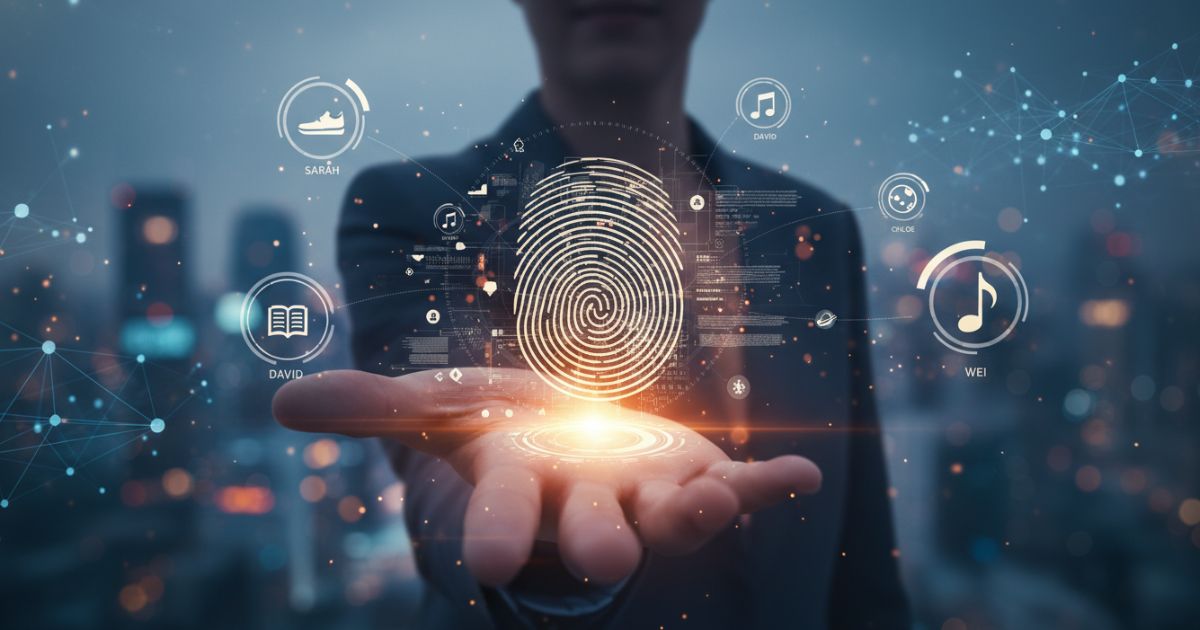
Hyper-personalization is an advanced marketing approach where brands use real-time data, AI, machine learning, and deep behavioral insights to create experiences tailored to each individual customer. Unlike traditional personalization—which simply uses names, basic preferences, or past purchases—hyper-personalization treats every customer as a segment of one.
It analyzes what customers are doing right now, how they behave across channels, what they may need next, and the emotional or contextual cues behind their actions. This allows brands to deliver ultra-relevant messages, product recommendations, and experiences at the right moment, on the right platform.
For example, instead of sending a generic “running shoe discount” email to everyone who previously bought sneakers, hyper-personalization notices that a customer is browsing shoes again at night, prefers black/blue colors, often buys during sales, and usually chooses same-day delivery. The brand then creates a real-time, fully tailored offer that aligns with that individual’s behavior and intent.
In short, hyper-personalization goes beyond “knowing your customer”—it’s about understanding them deeply, anticipating their needs, and delivering experiences so relevant that they feel naturally designed for each person.
What Is an Example of Personalization in Marketing?
A simple and common example of personalization in marketing is when a brand sends product recommendations based on a customer’s past behavior, interests, or purchase history. For instance, imagine a skincare brand emailing a customer:
“Hi Maya, since you recently purchased our Vitamin C serum, here are a few moisturizers that work perfectly with your routine.”
This is a classic case of marketing personalization because the brand uses:
- The customer’s name
- Their recent purchase data
- Relevant product suggestions
- A message tailored to their specific needs
By leveraging behavioral data and customer preferences, the brand delivers a more relevant shopping experience—one that feels thoughtful, helpful, and aligned with the customer’s skincare journey.
Why This Counts as Personalization
This type of personalized marketing works because it:
- Enhances customer experience
- Boosts engagement rates
- Increases repeat purchases
- Builds stronger customer loyalty
Effective Hyper-Personalization Strategies
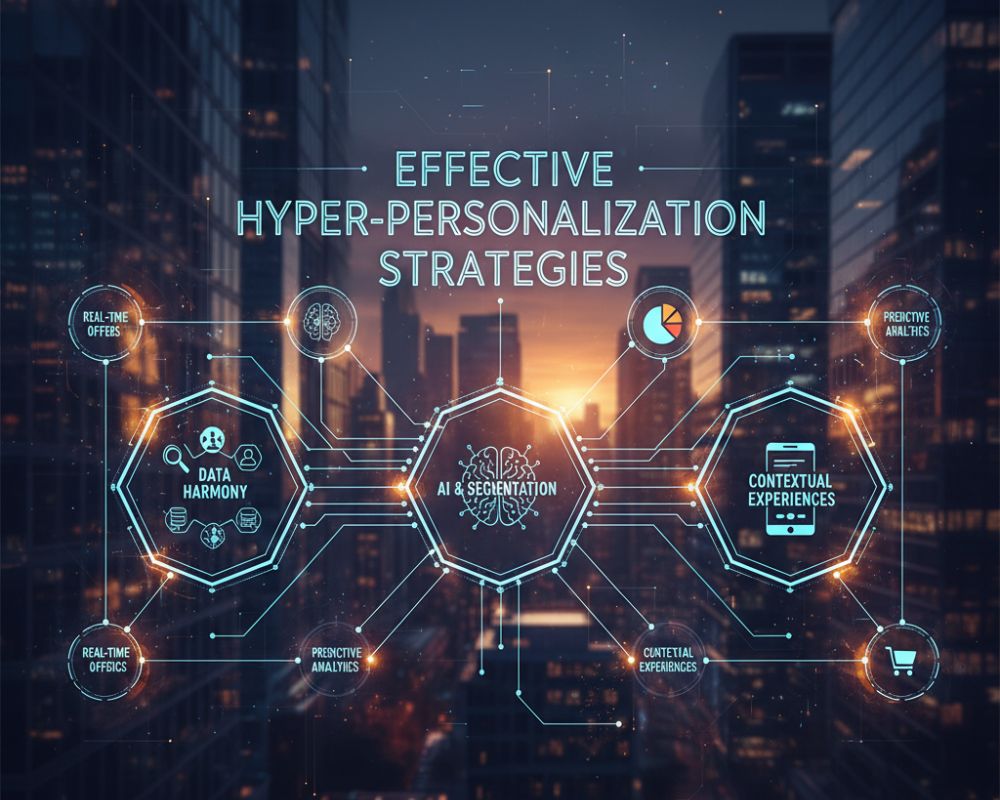
Ready to build a more loyal and engaged customer base? Hyper-personalization goes beyond traditional marketing by using data-driven personalization, real-time insights, and AI-powered marketing to deliver experiences uniquely tailored to each individual. These advanced personalization strategies help brands create memorable interactions that drive higher engagement, stronger loyalty, and long-term customer value. Here are five powerful techniques to elevate your entire customer journey optimization efforts.
1. Leverage AI for Product Recommendations
AI-driven recommendation engines are among the most effective tools for behavior-based targeting. These systems analyze:
- Browsing behavior
- Purchase patterns
- Customer preferences
- Predictive analytics based on similar users
By combining machine learning with real-time data, brands deliver tailored customer experiences that feel intuitive.
Example:
Amazon’s “Recommended for You” and “Customers Also Bought” features are perfect examples of advanced personalization. They rely on predictive analytics to suggest products highly relevant to each individual shopper.
Why It Works:
- Boosts conversions
- Enhances user experience
- Supports personalized customer journeys
2. Create Dynamic Website Content
Dynamic websites adapt to each user’s context, ensuring content feels instantly relevant. This is a core aspect of hyper-personalized customer experiences.
Use personalized site elements like:
- Dynamic banners
- Customized hero sections
- Behavior-triggered CTAs
- Interest-based product displays
Example:
A travel brand might show beach destinations to users from colder climates and mountain escapes to users from warmer regions. This level of contextual targeting enhances customer experience personalization and keeps visitors engaged.
Benefits:
- Higher website engagement
- Stronger emotional resonance
- Data-driven content delivery
3. Deliver Personalized Email and Push Notifications
Hyper-personalized communication transforms email and app messaging into powerful customer engagement strategies. Instead of mass blasts, use behavioral triggers and real-time insights to send messages that matter.
Examples include:
- Cart Abandonment Emails using behavior-based prompts
- Replenishment Reminders powered by predictive analytics
- Location-Based Alerts for in-store promotions
This is a perfect blend of personalized marketing automation and real-time data.
Why It Works:
Customers receive messages that are relevant, timely, and aligned with their intent.
4. Offer Tailored Pricing and Promotions
Hyper-personalization enables targeted promotions and ethical dynamic pricing based on customer behaviors and loyalty status. This approach aligns with customer-centric marketing and enhances perceived value.
Examples include:
- Personalized discounts based on browsing history
- Loyalty-based pricing
- Exclusive offers for high-value customers
Example:
Providing a 15% discount on a product a customer has viewed multiple times leverages customer behavior analytics to encourage conversions.
Key Benefits:
- Increased customer loyalty
- Higher conversion rates
- More meaningful promotional experiences
5. Customize the Post-Purchase Experience
The post-purchase stage plays a crucial role in long-term loyalty. With advanced personalization, brands can create follow-up experiences that feel thoughtful and helpful.
Enhancements include:
- Personalized “thank you” messages
- Usage tips based on the purchased product
- Predictive recommendations for next purchases
- Tailored invitations to loyalty programs
This stage supports customer lifetime value optimization and encourages repeat purchases.
Why It Matters:
A personalized post-purchase journey strengthens trust and transforms satisfied customers into brand advocates.
Hyper-personalization isn’t just a trend—it’s a future-focused marketing approach that blends AI, real-time insights, and data-driven personalization to deliver truly individualized experiences. When brands combine creativity with technology, they design customer journeys that feel human, intuitive, and emotionally compelling.
The Role of Predictive Analytics in Hyper-Personalization
Predictive analytics is a game-changer in hyper-personalization, enabling brands to anticipate customer needs before they arise. By analyzing historical data, browsing behavior, and purchase patterns, predictive models can forecast what products or services a customer is likely to need next. This allows brands to deliver proactive recommendations, personalized offers, and timely messages that feel intuitive and relevant. For example, a streaming platform might suggest a new series based on a user’s viewing habits, enhancing engagement and satisfaction.
The Importance of Real-Time Personalization
Real-time personalization ensures that customers receive tailored experiences at the exact moment they interact with a brand. Unlike static personalization, which relies on past data, real-time personalization uses live behavioral signals—such as clicks, searches, or time spent on a page—to adapt content dynamically. For instance, an e-commerce site might display a flash sale banner for a product a customer is actively browsing. This immediacy not only boosts conversions but also creates a seamless, engaging customer journey.
Hyper-Personalization vs Personalization: Key Differences Every Marketer Must Know
Personalization vs Hyper-Personalization
| Category | Personalization | Hyper-Personalization |
|---|---|---|
| Approach | Segment-based customization | Individualized, real-time experiences |
| Data Used | Basic data (name, location, past purchases) | Deep data (behavioral signals, browsing patterns, context, real-time intent) |
| Technology | Rules-based systems | AI, machine learning, predictive analytics |
| Customer Experience | Relevant but general | Ultra-relevant, dynamic, and adaptive |
| Timing | Based on past actions | Based on real-time behavior |
| Targeting Method | Broad customer groups | “Segment of one” targeting |
| Examples | “Hi Sarah, here are new dresses based on your last purchase.” | “You’re browsing dresses now—here are styles in your size with same-day delivery.” |
| Impact | Improves engagement | Boosts conversions, loyalty, and customer lifetime value |
| Use Case | Email greetings, basic recommendations | Dynamic content, predictive recommendations, personalized journeys |
Build Deeper Connections
Hyper-personalization is more than just a marketing tactic—it represents a powerful shift in how modern brands build relationships with their customers. Instead of relying on broad audience segments, hyper-personalization focuses on delivering individualized experiences that feel relevant, timely, and genuinely human. This level of personal relevance strengthens emotional connection and creates the foundation for long-term customer loyalty.
To unlock this potential, start by deeply understanding your customers’ data—what they browse, what they buy, what they prefer, and how they interact across channels. Identify the strategies that best fit your business model, whether it’s AI-powered product recommendations, dynamic website content, behavior-based targeting, or real-time personalized messaging. The core objective remains the same: ensure every customer feels seen, understood, and valued.
When combined with creative marketing approaches, these strategies not only boost loyalty but also create brand advocates who will help your business thrive.
Conclusion
Hyper-personalization is no longer just a marketing tactic—it’s a complete transformation in how brands build relationships. By shifting from basic personalization to AI-driven personalization, businesses can use customer data, real-time insights, and predictive analytics to deliver personalized experiences that feel genuinely meaningful.
Whether you’re using product recommendations, dynamic content, or targeted marketing campaigns, the goal remains the same: increase customer engagement and make every individual feel valued. When done right, hyper-personalization creates deeper emotional connections, stronger loyalty, and a customer journey built on relevance and trust.
By combining smart data usage with creativity, brands can turn satisfied buyers into lifelong advocates—proving that the future of marketing belongs to those who personalize every touchpoint with care and intelligence.
Frequently Asked Questions
1. What data is needed for hyper-personalization?
To implement hyper-personalization, you’ll need a mix of demographic data (age, location), transactional data (past purchases, order frequency), and behavioral data (browsing history, pages visited, clicks, time spent on site). Combining these data points provides a holistic view of the customer.
2. Is hyper-personalization an invasion of privacy?
This is a valid concern. The key to ethical hyper-personalization is transparency. Be clear with your customers about the data you collect and how you use it. Provide clear and easy-to-understand privacy policies, and give users control over their own data. When done correctly, customers often appreciate the improved experience that relevant recommendations provide.
3. Can small businesses use hyper-personalization?
Absolutely. While large enterprises have more resources, many marketing automation platforms and e-commerce tools now offer built-in hyper-personalization features at an affordable price. Small businesses can begin with simple strategies, such as personalized email campaigns or basic product recommendations, and scale up as they expand.
4. How does hyper-personalization improve customer retention?
Hyper-personalization improves customer retention by giving people exactly what they want, when they want it. When customers receive offers, content, or recommendations that match their real interests, they feel valued—and they return to the brand again and again.
5. What tools or technologies are needed for hyper-personalization?
To use hyper-personalization, brands usually need tools like a CRM, customer data platform (CDP), email automation software, and AI-powered recommendation systems. These tools help collect customer data, understand behavior, and deliver personalized messages.
6. What industries benefit the most from hyper-personalization?
Almost every industry benefits. eCommerce, SaaS, travel, finance, healthcare, and entertainment use hyper-personalization to recommend products, personalize content, and make customers feel understood—leading to higher engagement and sales.
7. What are the challenges of implementing hyper-personalization?
Implementing hyper-personalization can be challenging due to data collection complexities, privacy concerns, and the need for advanced technology. Brands must ensure they collect accurate, relevant data while complying with privacy regulations like GDPR. Additionally, integrating AI tools and managing large datasets require technical expertise and resources. Overcoming these challenges involves investing in the right tools, training teams, and maintaining transparency with customers about data usage.
8. How does AI enhance hyper-personalization?
AI plays a crucial role in hyper-personalization by analyzing vast amounts of customer data in real time. It identifies patterns, predicts preferences, and delivers tailored recommendations across channels. AI-powered tools like chatbots, recommendation engines, and predictive analytics enable brands to create seamless, personalized experiences. This technology ensures that customers receive relevant content, offers, and interactions, improving engagement and driving conversions.
9. How can hyper-personalization improve email marketing?
Hyper-personalization transforms email marketing by delivering highly relevant content to individual recipients. By leveraging customer data like purchase history, browsing behavior, and preferences, brands can craft emails with personalized subject lines, product recommendations, and offers. This approach increases open rates, click-through rates, and conversions while reducing unsubscribes. Personalized emails make customers feel valued, fostering stronger relationships and loyalty.
10. What’s the difference between personalization and hyper-personalization?
Personalization involves tailoring content based on basic customer data, like name or location, while hyper-personalization goes deeper by using real-time behavioral, transactional, and demographic data. Hyper-personalization leverages AI and advanced analytics to deliver highly specific and relevant experiences, such as dynamic product recommendations or time-sensitive offers. It’s a more sophisticated approach that creates a seamless, customer-centric experience across all touchpoints.