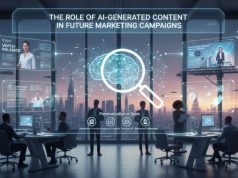

The marketing landscape has undergone a seismic shift. What once required weeks of brainstorming sessions, extensive market research, and countless revisions can now be accomplished with unprecedented speed and precision. Artificial intelligence in marketing has moved from experimental technology to essential infrastructure, fundamentally changing how creative teams approach campaign development.
This transformation extends far beyond simple automation. AI in creative campaign planning now influences every stage of the process, from initial concept generation to performance optimization. Marketing professionals who understand and leverage these capabilities gain a competitive edge that traditional methods simply cannot match.
The benefits are tangible and measurable. Campaigns powered by AI-driven creative campaigns show 37% higher engagement rates compared to traditional approaches, while reducing planning time by up to 60%. These statistics reflect a broader trend toward data-driven creative strategy that combines human creativity with machine intelligence.
For marketing teams ready to embrace this evolution, understanding the specific applications and best practices of AI campaign planning becomes crucial. The technology offers solutions to longstanding challenges while opening new possibilities for creative expression and audience connection.
The Evolution of Creative Campaign Planning

Traditional campaign planning followed a predictable pattern. Creative teams would gather in conference rooms, armed with whiteboards and sticky notes, attempting to divine consumer preferences through intuition and limited market research. The process was time-intensive, resource-heavy, and often resulted in campaigns that missed their target audience.
Modern marketing technology has disrupted this model entirely. AI tools for marketers now provide real-time insights into consumer behavior, sentiment analysis, and predictive modeling that inform creative decisions from the outset. Rather than guessing what might resonate, teams can access data-driven recommendations that increase the likelihood of campaign success.
This shift has also democratized creative excellence. Smaller marketing teams with limited budgets can now access sophisticated analytics and optimization tools previously available only to large agencies. The playing field has leveled, creating opportunities for innovative campaigns regardless of company size.
The speed of execution has accelerated dramatically. Where traditional planning cycles might span months, AI-powered advertising enables rapid iteration and testing. Creative concepts can be generated, tested, and refined within days rather than weeks, allowing brands to respond quickly to market opportunities and changing consumer preferences.
Dig Deeper: Why Creative Advertising Campaigns Are Vital to Your Brand’s Success
Core AI Technologies Reshaping Campaign Development
Predictive Analytics and Consumer Insights
Predictive analytics in advertising has revolutionized how marketers understand their audiences. Advanced algorithms analyze vast datasets to identify patterns in consumer behavior, preferences, and purchasing decisions. This technology enables creative teams to anticipate trends before they fully emerge, positioning campaigns ahead of the curve.
Machine learning models process social media interactions, search patterns, website behavior, and purchase history to create detailed consumer profiles. These insights inform everything from messaging tone to visual aesthetics, ensuring campaigns align with audience expectations and desires.
The accuracy of these predictions continues to improve as algorithms process more data. Modern AI systems can forecast seasonal trends, identify emerging demographic preferences, and even predict which creative elements will generate the highest engagement rates across different platforms.
Natural Language Processing for Content Creation
Natural language processing has transformed content generation within campaign planning. AI systems can now produce initial drafts, suggest headline variations, and even generate complete ad copy based on brand guidelines and target audience parameters. This capability accelerates the creative process while maintaining consistency across campaign touchpoints.
These tools excel at analyzing successful campaigns to identify linguistic patterns that drive engagement. By understanding which words, phrases, and structures resonate with specific audiences, AI can suggest content modifications that improve performance before campaigns launch.
Advanced NLP systems also enable real-time content optimization. As campaigns run, AI monitors audience responses and suggests adjustments to messaging, helping creative teams refine their approach based on actual performance data rather than assumptions.
Computer Vision and Visual Content Optimization
Computer vision technology has opened new frontiers in visual campaign planning. AI systems can analyze image and video content to determine which visual elements drive the strongest audience responses. This analysis includes color schemes, composition, facial expressions, and even the placement of text overlays.
The technology extends to automated A/B testing of visual elements. AI can generate multiple variations of creative assets, test them across different audience segments, and identify the combinations that produce optimal results. This process happens continuously, enabling ongoing optimization throughout campaign lifecycles.
Brand consistency receives particular attention through computer vision applications. AI systems can ensure that all visual elements align with brand guidelines while suggesting variations that maintain consistency while appealing to different demographic groups or platform requirements.
Practical Applications in Campaign Planning

Audience Segmentation and Targeting
AI marketing strategies have revolutionized audience segmentation by moving beyond simple demographic categories. Modern systems create micro-segments based on behavioral patterns, psychographic profiles, and predicted lifetime value. These granular segments enable highly targeted creative approaches that speak directly to specific consumer motivations.
Dynamic segmentation adjusts in real-time as consumer behaviors evolve. Rather than static audience definitions, AI systems continuously refine segment parameters based on new data, ensuring campaigns remain relevant and effective throughout their duration.
Cross-platform audience mapping has become particularly sophisticated. AI systems can track individual consumers across multiple touchpoints, creating unified profiles that inform cohesive campaign experiences regardless of where audiences encounter brand content.
Creative Asset Generation and Optimization
Marketing automation with AI now encompasses creative asset production. AI systems can generate initial concepts for visual designs, suggest copy variations, and even produce video content outlines based on campaign objectives and audience insights. This capability doesn’t replace human creativity but provides a foundation that creative professionals can build upon.
The optimization process continues after asset creation. AI monitors performance across different platforms and audience segments, identifying which creative elements drive the strongest results. This feedback loop enables continuous improvement and helps teams understand what resonates most effectively with their target audiences.
Version control and brand compliance receive automated attention through AI systems. Creative teams can maintain consistency across large campaigns while allowing for platform-specific optimizations and audience-targeted variations.
Budget Allocation and Media Planning
AI-powered advertising platforms excel at optimizing budget allocation across channels and audience segments. Machine learning algorithms analyze historical performance data, current market conditions, and predicted outcomes to recommend budget distributions that maximize campaign effectiveness.
Real-time budget adjustments represent a significant advancement over traditional planning approaches. As campaigns run, AI systems can shift spending toward high-performing segments and away from underperforming areas, ensuring optimal resource utilization throughout campaign duration.
Predictive budget modeling helps teams plan more accurately for future campaigns. By analyzing patterns across previous initiatives, AI systems can forecast budget requirements and expected returns, enabling more strategic resource allocation decisions.
Implementation Strategies for AI-Enhanced Campaigns
Building AI-Ready Creative Teams
Successful AI campaign planning implementation requires teams that understand both creative principles and technological capabilities. This doesn’t mean every team member needs technical expertise, but organizations benefit from having individuals who can bridge creative and analytical perspectives.
Training programs should focus on understanding AI outputs rather than technical implementation. Creative professionals need to know how to interpret data insights, evaluate AI-generated concepts, and integrate technological recommendations with human intuition and brand knowledge.
Collaboration workflows require adjustment to accommodate AI tools effectively. Teams need processes for reviewing AI-generated insights, incorporating recommendations into creative development, and measuring the impact of AI-enhanced approaches compared to traditional methods.
Data Integration and Quality Management
Creative campaign optimization depends heavily on data quality and integration across marketing systems. AI tools require clean, comprehensive datasets to generate accurate insights and recommendations. Organizations must invest in data management infrastructure that supports AI initiatives.
Privacy considerations have become increasingly important as AI systems require access to consumer data. Teams need frameworks for utilizing AI capabilities while maintaining compliance with data protection regulations and consumer privacy expectations.
Real-time data feeds enable the most effective AI applications. Campaign planning benefits significantly when AI systems can access current market data, audience behavior patterns, and competitive intelligence to inform creative decisions.
Measuring AI Impact on Creative Performance
AI campaign planning best practices include establishing clear metrics for measuring technological impact on creative outcomes. Traditional metrics like engagement rates and conversion numbers remain important, but teams should also track AI-specific indicators such as optimization speed and prediction accuracy.
Comparative analysis between AI-enhanced and traditional campaigns provides valuable insights into technology effectiveness. Teams should run controlled tests that isolate AI contributions to understand which applications provide the greatest value for their specific contexts.
Long-term performance tracking reveals patterns that inform future AI implementation strategies. By analyzing campaign performance over extended periods, teams can identify which AI applications consistently improve results and which require refinement or replacement.
Dig Deeper: How AI-Powered Analytics Can Transform Your Creative Campaigns
Future Trends and Opportunities
Emerging AI Technologies in Marketing
The future of digital marketing will likely incorporate even more sophisticated AI capabilities. Generative AI models are becoming increasingly capable of producing high-quality creative content, while advanced personalization engines create individualized campaign experiences for each consumer.
Real-time campaign adaptation represents a significant opportunity for advancement. AI systems are developing capabilities to modify campaigns instantly based on current events, trending topics, or sudden shifts in consumer sentiment, enabling brands to remain relevant and responsive.
Cross-channel orchestration through AI will create more seamless consumer experiences. Future systems will coordinate messaging, timing, and creative approaches across all touchpoints to create cohesive campaign narratives that adapt to individual consumer journeys.
Challenges and Considerations
Despite significant opportunities, AI implementation in creative campaign planning faces several challenges. Creative teams may resist technological integration, viewing AI as a threat to human creativity rather than an enhancement tool. Successful implementation requires careful change management and clear communication about AI’s role in supporting rather than replacing creative professionals.
Technical complexity can overwhelm organizations without adequate IT infrastructure or expertise. AI tools often require significant setup and ongoing maintenance, creating resource demands that smaller teams may struggle to meet.
Cost considerations extend beyond initial technology investments. AI systems require ongoing data management, regular updates, and continuous optimization to maintain effectiveness. Organizations need realistic budgets that account for these ongoing requirements.
Maximizing Your AI-Enhanced Creative Strategy
The transformation of creative campaign planning through artificial intelligence represents more than technological advancement—it signals a fundamental shift toward more informed, efficient, and effective marketing approaches. Organizations that embrace AI capabilities while maintaining focus on human creativity and consumer connection will find themselves well-positioned for sustained success.
The evidence supporting AI adoption in creative planning continues to strengthen. Early adopters report significant improvements in campaign performance, resource efficiency, and audience engagement. These benefits compound over time as AI systems learn from campaign data and refine their recommendations.
Success requires thoughtful implementation rather than wholesale technology adoption. Teams should identify specific challenges that AI can address, implement solutions gradually, and measure results carefully to ensure investments generate expected returns.
The future belongs to marketing teams that can seamlessly blend human creativity with artificial intelligence capabilities. By understanding and implementing AI-enhanced campaign planning approaches, creative professionals can focus on what they do best—developing compelling brand stories and meaningful consumer connections—while technology handles optimization, analysis, and prediction tasks.
Start by evaluating your current campaign planning processes and identifying areas where AI could provide immediate value. Whether through audience insights, creative optimization, or budget allocation, small AI implementations can demonstrate significant impact and build organizational confidence for broader technological integration.
FAQs
1. How is AI changing creative campaign planning?
AI is transforming campaign planning by speeding up research, generating ideas faster, and predicting what type of content will perform best. It helps teams make smarter decisions using real-time data instead of guesswork.
2. What are the biggest benefits of using AI in marketing campaigns?
AI reduces planning time, increases engagement, and improves targeting accuracy. It also helps teams personalize content, optimize budgets, and create creative assets more efficiently.
3. How does AI help with audience targeting and segmentation?
AI studies customer behavior, interests, and online activity to build detailed audience segments. It updates these segments in real time, making campaigns more accurate and relevant.
4. Can AI improve content creation for campaigns?
Yes. AI tools can generate headline ideas, write ad copy, suggest visuals, and analyze which words or images work best. This helps creative teams produce content faster while maintaining brand consistency.
5. How does AI help marketers optimize campaign performance?
AI tracks how audiences respond to content, runs automated A/B tests, and recommends changes instantly. It also adjusts budgets and placements in real time to improve results throughout the campaign.
6. What challenges do companies face when using AI in creative planning?
Teams may struggle with data quality, technical setup, and resistance to new tools. AI also requires proper training and ongoing management to deliver accurate insights and maintain privacy standards.