

Sustainability marketing focuses on connecting with people through purpose. Today, consumers care deeply about the planet. They want brands that support environmental responsibility, ethical marketing, and sustainable practices. Because of this shift, sustainability marketing has moved from a small niche to a mainstream strategy.
People no longer buy only products. They buy the values behind the brand. They want eco-friendly marketing, green branding, and authentic actions. For modern marketers, showing real commitment to sustainability is essential. It is no longer optional. It is a key part of building trust, loyalty, and long-term brand equity.
This guide explores how sustainability marketing works and why it matters. You will learn what makes sustainable campaigns unique and how brands create real impact through conscious messaging. We will also look at inspiring examples of companies that use creative, eco-focused strategies to engage responsible consumers.
By the end, you will understand how to integrate sustainability into your marketing plan. You will also see how purposeful content, green initiatives, and ethical branding help you create campaigns that perform well and contribute positively to the world.
What is Sustainability Marketing?
Sustainability marketing, also called green marketing, is the process of promoting products, services, and brand values that support environmental responsibility and social good. It focuses on ethical marketing and long-term impact, not just short-term promotion.
It is more than saying a product is “eco-friendly.” True sustainability marketing means integrating sustainable business practices into every stage of operations. This includes responsible sourcing, clean production, reduced waste, eco-friendly packaging, and transparent communication.
The goal is to create green branding that is honest, practical, and aligned with real actions. When brands follow this approach, they build trust with conscious consumers and show genuine commitment to protecting the planet.
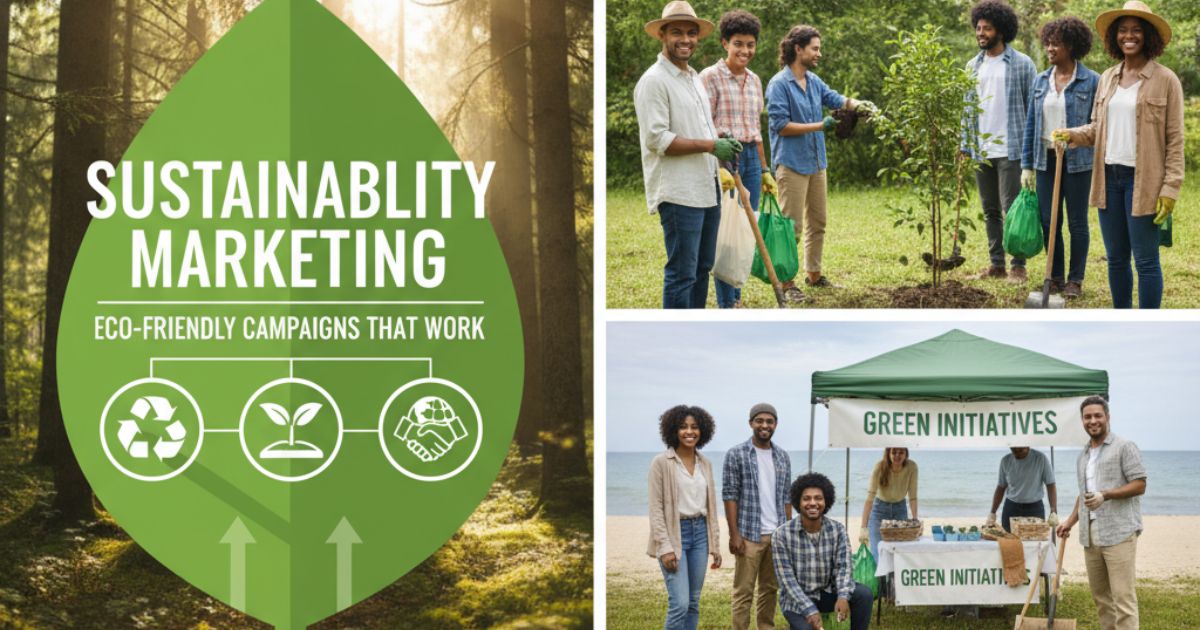
The main goal is to meet today’s needs without harming future generations. This idea is based on the triple bottom line, which focuses on three key areas:
1. Planet (Environmental Responsibility)
This means reducing your company’s impact on the environment. Examples include lowering carbon emissions, saving water, using renewable energy, and reducing waste. These actions support eco-friendly marketing and sustainable branding.
2. People (Social Responsibility)
This focuses on treating employees, suppliers, and communities fairly. It includes ethical labor practices, safe workplaces, and community support. Brands that follow these guidelines appeal to conscious consumers who value responsible business behavior.
3. Profit (Economic Sustainability)
A sustainable business must still make money. Profit allows the company to grow, invest in green initiatives, and continue its positive environmental and social impact.
Effective sustainability marketing is honest and transparent. It avoids greenwashing, which is when companies make false or exaggerated claims about being eco-friendly. Instead, strong sustainable marketing shares real progress, real challenges, and real goals. This builds trust and long-term loyalty.
Why Eco-Friendly Campaigns Matter?

Eco-friendly marketing is not just good for the planet. It is also good for business. Today’s consumers are more aware, more informed, and more value-driven. They want brands that care about the environment and society. Because of this shift, sustainability-focused campaigns can create deeper trust and stronger relationships.
When a brand shows real commitment to sustainability, it can increase customer loyalty and attract new audiences who prefer ethical choices. Green campaigns also improve brand reputation and help you stand out in a competitive market through authentic and creative marketing approaches.
Eco-friendly campaigns build a sense of community around shared values. When people see a brand taking honest, meaningful actions—such as reducing waste, saving energy, or supporting social causes—they feel more connected. These customers often become loyal supporters who share, promote, and recommend your brand.
As a result, sustainable marketing leads to higher engagement, positive word of mouth, and long-term business growth.
Inspiring Examples of Green Marketing
Some of the most impactful marketing campaigns in recent years have been developed by brands that have successfully integrated sustainability into their core messaging. Let’s look at a few examples.
Patagonia: “Don’t Buy This Jacket”
Patagonia is a leader in sustainability marketing, and its “Don’t Buy This Jacket” campaign is one of the most famous examples. On Black Friday in 2011, the company ran a full-page ad in The New York Times featuring one of its jackets, accompanied by the bold headline, “Don’t Buy This Jacket.” The ad copy detailed the environmental cost of producing the garment and urged consumers to think twice before buying new products.
This counterintuitive campaign was a huge success. It reinforced Patagonia’s commitment to reducing consumption and highlighted its durable, long-lasting products. The message was clear: if you don’t need it, don’t buy it. But if you do need it, buy something that will last. The campaign generated massive buzz and solidified Patagonia’s reputation as a truly sustainable brand.
Allbirds: The Carbon Footprint Label
Footwear brand Allbirds has built its entire identity around sustainability. They use natural materials, such as merino wool and eucalyptus tree fibers, to create their shoes. One of their most innovative green marketing initiatives is the “Carbon Footprint” label, which they print on every shoe.
Similar to a nutrition label on food, this label shows the carbon emissions generated during the production and transportation of that specific pair of shoes. By being transparent about their environmental impact, Allbirds empowers consumers to make informed choices. This bold move not only holds the company accountable but also sets a new standard for the entire fashion industry, encouraging other brands to measure and disclose their own carbon footprints.
IKEA: The “ScrapsBook”
IKEA has long been focused on sustainability, and its “ScrapsBook” campaign is a creative take on reducing food waste. To encourage people to utilise their kitchen scraps, IKEA released a free digital cookbook featuring recipes from top chefs that transform common food scraps—such as banana peels and vegetable stems—into delicious meals.
This initiative aligned perfectly with IKEA’s mission to enable and inspire people to live more sustainable lives at home. It was a practical, helpful, and engaging way to address a major environmental issue. The campaign not only provided real value to customers but also reinforced IKEA’s brand image as an innovative and responsible company.
How to Create Your Own Sustainability Marketing Campaign
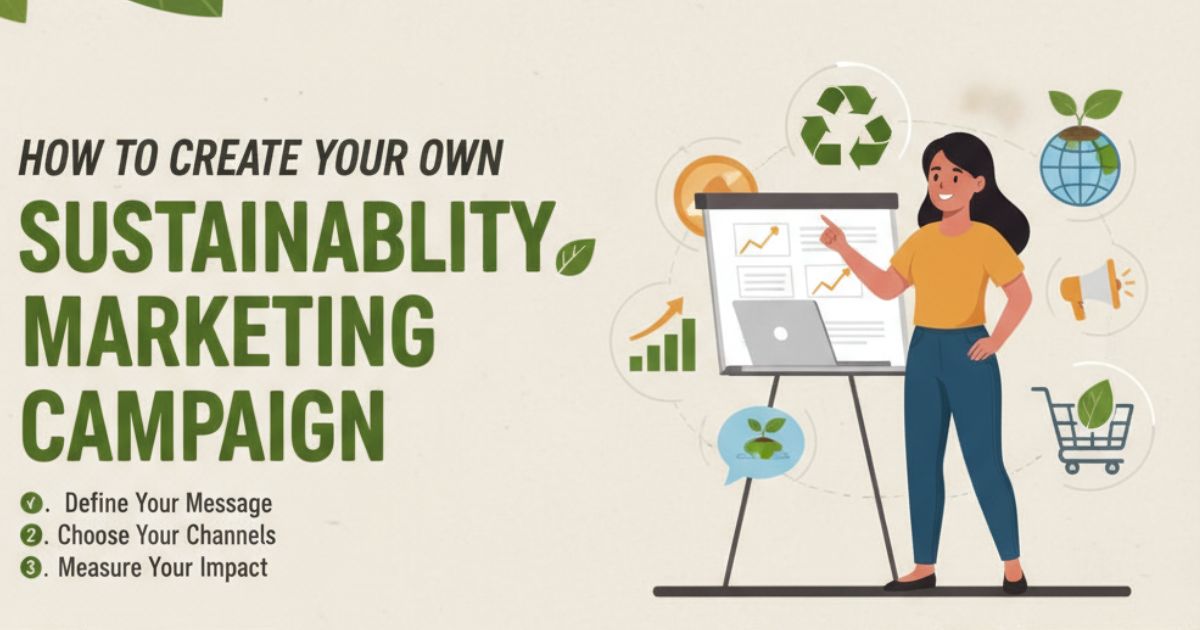
Inspired by these examples? Here are the key steps to build an effective and eco-friendly marketing campaign.
1. Start with Authenticity
Your sustainability efforts must be real. Before you promote a green campaign, make sure your business has solid sustainable practices in place. Modern consumers can easily detect greenwashing, and it can seriously harm your brand’s credibility.
2. Know Your Audience
Understand which sustainability issues matter most to your target audience. Some people care about plastic waste. Others focus on carbon emissions, ethical sourcing, or fair labor. Tailor your message to match their values and concerns.
3. Tell a Compelling Story
People connect with stories more than facts. Share the story behind your sustainability journey. Talk about your challenges, achievements, and future goals. Use simple visuals, human stories, and clear messaging to make it engaging and memorable.
4. Be Transparent and Honest
No company is 100% sustainable. Be open about where you currently stand and what steps you are taking to improve. Honest communication builds trust and makes your marketing more believable.
5. Provide Real Value
Your campaign should offer something useful. This could be educational content, practical eco-friendly tips, or products that genuinely reduce environmental impact. When people get real value, they connect more deeply with your brand.
The Future is Sustainable
Sustainability marketing is no longer a trend—it is a major shift in how brands connect with people. Modern customers want eco-conscious brands that act with environmental responsibility. They support purpose-driven brands that care about the planet and society. When you integrate sustainable business practices into your brand and communicate them with honesty, your marketing becomes more trustworthy and impactful.
The journey toward sustainability takes time. It is a marathon, not a sprint. Start with small but meaningful climate-friendly initiatives and share your progress openly. This transparency builds trust and attracts eco-conscious consumers who value ethical marketing. When people see that your brand is committed to real change, they feel proud to support and promote you. This is how strong green branding grows over time.
For Furher Reading, explore Hyper-Personalization: The Secret to Customer Loyalty
FAQs
How does sustainability marketing help a brand grow?
It helps a brand grow by building trust, improving reputation, and attracting customers who prefer eco-friendly and ethical products.
What are the key elements of a strong sustainability campaign?
A strong sustainability campaign includes authenticity, transparency, responsible actions, and clear communication about environmental or social impact.
How can businesses prove their sustainability claims?
Businesses can prove their claims by sharing data, publishing reports, showing certifications, and giving real examples of sustainable practices.
What mistakes should brands avoid in sustainability marketing?
Brands should avoid greenwashing, vague claims, fake certifications, and promoting sustainability without real actions behind it.
Do sustainable campaigns cost more to create?
Not always. Many sustainable actions save money, such as reducing waste or using efficient energy. Even low-cost changes can support a strong green message.
How can companies measure the success of a sustainability campaign?
They can track engagement, customer feedback, sales impact, website traffic, and how much the campaign improves brand trust and loyalty.
How can a small business afford sustainability marketing?
Sustainability marketing isn’t just for big corporations. Small businesses can start with small, meaningful changes, like using eco-friendly packaging, reducing waste, or partnering with local, sustainable suppliers. You can then share these efforts through social media, your blog, or email newsletters. Authenticity matters more than a big budget.