

In today’s fast-changing digital world, businesses need more than traditional advertising to attract customers and stay competitive. Innovative Marketing Ideas help brands connect with their target audience, improve visibility, build trust, and increase conversions through creative and data-driven strategies. From personalized content and social media campaigns to artificial intelligence and customer-focused experiences, modern marketing requires businesses to think differently.
Companies that understand changing customer behavior and use the right digital tools can create stronger relationships and gain a competitive advantage. This article explores practical innovative marketing ideas that can help businesses improve brand awareness, increase engagement, and achieve sustainable growth in a competitive digital market.
Understand Your Target Audience
One of the most important steps in creating successful marketing campaigns is understanding your target audience. Businesses should know who their customers are, what they need, what problems they face, and how they make purchasing decisions.
Customer preferences are constantly changing. A campaign that worked last year may not produce the same results today. Therefore, marketers should regularly collect and analyze customer data to understand new trends and behaviors.
Use Market Segmentation Analysis
Market segmentation analysis helps businesses divide their audience into smaller groups based on shared characteristics. These characteristics may include age, location, interests, income, buying behavior, and customer needs.
Instead of using one message for everyone, businesses can create personalized campaigns for different audience segments. For example, a clothing brand may promote affordable products to price-sensitive customers while showing premium collections to customers interested in luxury fashion. This approach improves marketing relevance and helps businesses use their advertising budgets more effectively.
Create Personalized Marketing Experiences
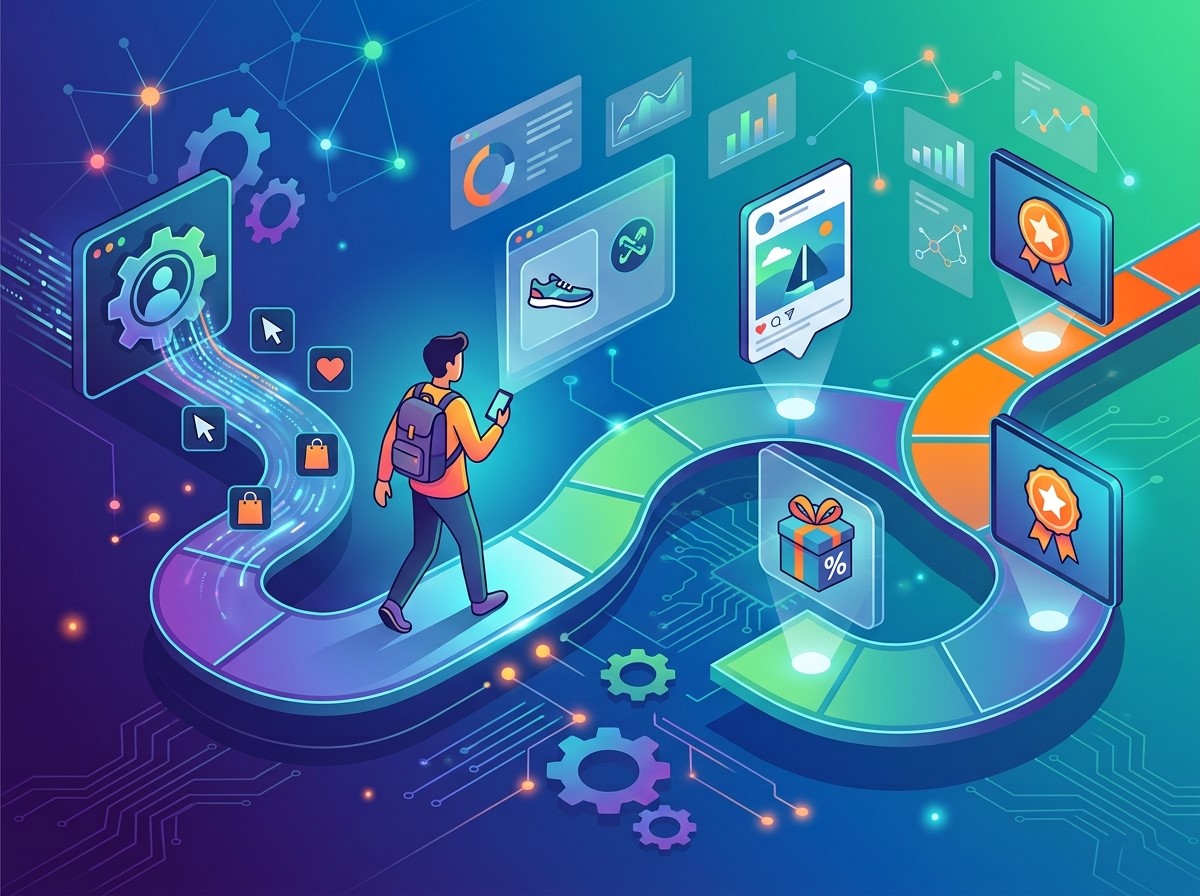 Customers are more likely to engage with brands that understand their interests and needs. Personalization is one of the most effective innovative marketing ideas for improving customer relationships.
Businesses can personalize marketing through product recommendations, email content, website experiences, and targeted advertisements. For example, an online store can recommend products based on a customer’s previous purchases or browsing history.
Personalized email campaigns can also improve engagement. Instead of sending the same message to every subscriber, businesses can send different offers based on customer interests, location, purchase history, or stage in the buying journey.
However, personalization should always be useful and respectful. Businesses must avoid using customer data in ways that feel intrusive or uncomfortable.
Use GEO for Content Marketing
Search behavior is changing because customers now use search engines, voice assistants, and AI-powered tools to find information. This makes GEO for content marketing an important strategy for businesses that want to improve online visibility.
GEO, or Generative Engine Optimization, focuses on making content more useful and understandable for AI-powered search and answer systems. While traditional SEO focuses on search engine rankings, GEO also considers how content may be selected, summarized, and presented in AI-generated answers.
Businesses can improve GEO by creating clear, helpful, and trustworthy content. Content should answer common customer questions, provide accurate information, and use simple structures that are easy for search engines and AI systems to understand.
Useful GEO practices include:
- Creating detailed answers to customer questions
- Using clear headings and short paragraphs
- Adding relevant examples and practical insights
- Including trustworthy sources where appropriate
- Updating outdated content regularly
- Covering related topics naturally
GEO does not replace SEO. Instead, it supports a broader content strategy that helps businesses become more visible across traditional and AI-powered search experiences.
Develop Interactive Content
Interactive content encourages users to participate instead of simply reading or watching. This makes it a powerful way to increase engagement and collect useful customer insights.
Examples of interactive content include quizzes, polls, calculators, surveys, assessments, and interactive product finders. A skincare brand, for example, can create a quiz that recommends products based on skin type and customer concerns.
Interactive content offers several benefits. It can increase time spent on a website, improve customer understanding, and help businesses collect valuable information about their audience.
It can also make complicated products or services easier to understand. A financial company may use an interactive savings calculator, while a fitness business may offer a personalized workout assessment. The key is to make the experience simple, useful, and connected to the customer’s needs.
Focus on Short-Form Video Marketing
Short-form video has become an effective way to capture attention in a crowded digital market. Platforms such as Instagram, TikTok, YouTube Shorts, and Facebook Reels allow businesses to share engaging content in a short period.
Short videos can be used to demonstrate products, explain services, answer questions, share customer stories, and show behind-the-scenes activities. They are especially useful for businesses that want to reach younger audiences or increase social media visibility.
A successful short-form video should have a strong opening, clear messaging, and a useful or entertaining ending. Businesses should avoid making every video a direct advertisement. Educational, emotional, humorous, and informative videos often create stronger engagement. Consistency is also important. Publishing useful videos regularly can help businesses build familiarity and trust with their audience.
Build a Strong Community Around Your Brand
Modern customers do not want to interact with brands only when they are ready to purchase. They also want to feel connected to communities that share their interests and values.
Community-based marketing is one of the most effective innovative marketing ideas for creating long-term customer loyalty. Businesses can build communities through Facebook Groups, online forums, email communities, live events, and social media discussions.
A strong brand community allows customers to ask questions, share experiences, provide feedback, and interact with other users. It also gives businesses a better understanding of customer expectations.
To build an active community, brands should focus on meaningful conversations instead of constant promotion. Asking questions, highlighting customer stories, organizing discussions, and responding to comments can make members feel valued.
Use Customer-Generated Content
 Customer-generated content includes reviews, testimonials, social media posts, product photos, videos, and stories created by customers. This type of content can increase credibility because people often trust real customer experiences more than traditional advertisements.
Businesses can encourage customers to share content by creating branded hashtags, running contests, offering recognition, or asking for feedback after a purchase.
For example, a travel company can encourage customers to share vacation photos. A beauty brand can invite customers to post product results. A software company can publish customer success stories.
Customer-generated content can be reused across websites, social media platforms, email campaigns, and product pages. It provides authentic marketing material while helping customers feel involved in the brand.
Explore Influencer and Creator Partnerships
Influencer marketing is no longer limited to celebrities with millions of followers. Micro-influencers and niche creators can often provide better engagement because their audiences are more focused and connected.
Businesses should choose influencers based on audience relevance, credibility, content quality, and engagement rather than follower count alone.
A technology brand may partner with a technology reviewer, while a fitness company may collaborate with a health and wellness creator. The partnership should feel natural and provide value to the audience.
Successful creator campaigns may include product demonstrations, tutorials, reviews, live sessions, giveaways, or educational content. Businesses should also make sure that sponsored content is clearly disclosed and follows applicable advertising guidelines.
Apply Account-Based Marketing for B2B Businesses
B2B companies often need more targeted marketing strategies because their buying decisions involve multiple people and longer sales cycles. Account-based marketing, or ABM, focuses on specific high-value companies instead of targeting a broad audience.
ABM allows businesses to create customized campaigns for selected accounts. Marketing teams can research the company’s challenges, industry, goals, and decision-makers before developing personalized content.
Businesses can use account-specific emails, LinkedIn campaigns, webinars, case studies, and sales outreach to engage important prospects.
Studying B2B content marketing examples can help companies understand how successful brands use educational content, industry research, customer success stories, and thought leadership to attract business buyers.
For example, a software company may create a detailed guide for healthcare organizations, while a cybersecurity provider may publish content specifically for financial institutions. Relevant content helps businesses demonstrate expertise and build trust.
Create Educational and Valuable Content
Content marketing is more effective when it focuses on solving customer problems rather than promoting products continuously. Educational content can help businesses build authority and attract people who are still researching their options.
Useful content formats include:
- How-to guides
- Industry reports
- Case studies
- Tutorials
- Expert interviews
- Checklists
- Research-based articles
- Webinars
- Frequently asked questions
A company selling digital marketing services, for example, can publish content about SEO, content strategy, conversion optimization, and marketing analytics.
Educational content should be easy to understand and connected to the customer journey. Beginners may need basic guides, while experienced customers may prefer advanced research or detailed comparisons.
Use Artificial Intelligence in Marketing
Artificial intelligence is changing how businesses plan, create, and measure marketing campaigns. AI tools can help marketers analyze data, identify customer patterns, generate content ideas, automate tasks, and improve customer service. Businesses can use AI for customer segmentation, chatbot support, email personalization, predictive analytics, and campaign optimization.
AI-powered chatbots can answer common questions, guide website visitors, and collect lead information. Predictive tools can help businesses identify customers who are more likely to purchase or leave.
However, AI should support human creativity rather than completely replace it. Marketing content still needs originality, emotional understanding, brand personality, and human review. Businesses should also check AI-generated content for accuracy, clarity, and brand consistency before publishing it.
Improve Social Media Engagement
Social media platforms offer many opportunities for businesses to build relationships and improve brand awareness. However, simply posting regularly is not enough. Brands need to create content that encourages interaction.
Businesses can improve social media engagement by asking questions, responding to comments, sharing customer stories, creating polls, hosting live sessions, and using platform-specific content formats.
Each platform has a different audience and communication style. LinkedIn may be more suitable for professional insights and B2B content, while Instagram may work better for visual storytelling and lifestyle brands.
Social media campaigns should have clear goals. Some campaigns may focus on awareness, while others may aim to generate leads, increase website traffic, or improve customer loyalty.
Use Experiential Marketing
Experiential marketing allows customers to interact with a brand through memorable experiences. These experiences may happen online, offline, or through a combination of both.
Examples include product demonstrations, virtual events, pop-up experiences, interactive workshops, brand challenges, and live product launches.
Experiential marketing helps businesses create emotional connections. Instead of simply telling customers about a product, brands allow them to experience its value.
For example, a technology company can organize a virtual product demonstration. A food brand can host a tasting event. An educational business can offer a free interactive workshop. The experience should be creative but also relevant to the brand’s identity and customer expectations.
Measure Marketing Performance
Innovative marketing ideas should be measured regularly to understand what works and what needs improvement. Without tracking results, businesses may spend money on campaigns that do not support their goals.
Important marketing metrics include website traffic, engagement rate, conversion rate, cost per lead, customer acquisition cost, email open rate, click-through rate, and return on investment.
Businesses should also track qualitative feedback such as customer comments, reviews, survey responses, and sales-team observations.
A/B testing can help marketers compare different headlines, images, calls to action, landing pages, and email subject lines. Small improvements can create meaningful results over time. Marketing performance should be reviewed regularly so that businesses can improve campaigns based on real data rather than assumptions.
Avoid Common Marketing Mistakes
Even creative campaigns can fail when they are not planned properly. One common mistake is trying to use every new platform or trend without understanding whether it fits the target audience.
Another mistake is focusing only on likes and views while ignoring meaningful business outcomes. High engagement does not always lead to sales or customer loyalty.
Businesses should also avoid unclear messaging, inconsistent branding, poor customer service, and content that offers little value. A successful marketing strategy should combine creativity with research, planning, testing, and measurement.
Build a Long-Term Marketing Strategy
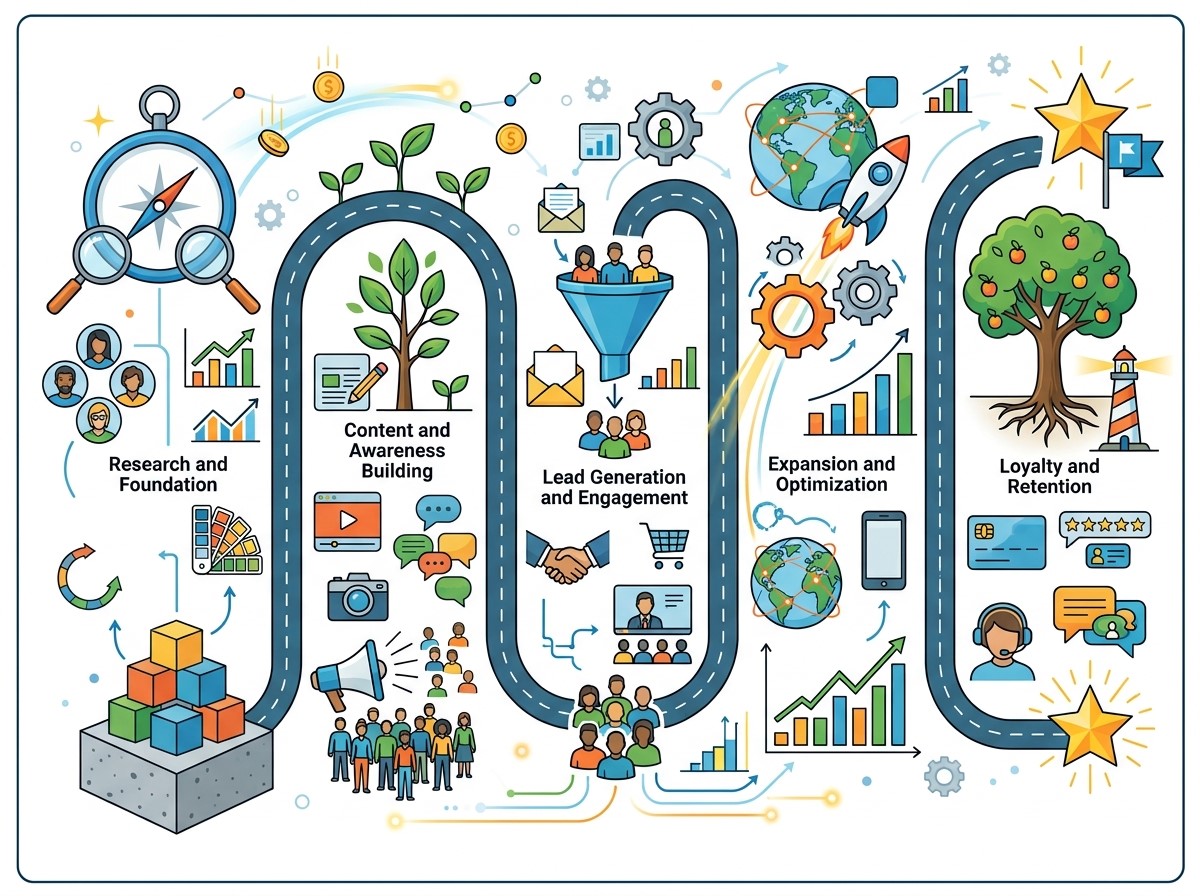 Innovative marketing should not be treated as a one-time campaign. Businesses need a long-term strategy that combines creativity, customer understanding, technology, and consistent execution.
Start by identifying business goals and target customers. Then choose the most relevant channels, create useful content, and measure performance regularly.
Businesses should remain flexible because digital marketing trends change quickly. A strategy that works today may need adjustment in the future. The most successful brands are willing to experiment, learn from customer feedback, and improve their marketing activities continuously.
Conclusion
Innovative Marketing Ideas can help businesses stand out in a competitive digital market by improving customer engagement, brand visibility, and long-term growth. Strategies such as personalized marketing, GEO for content marketing, market segmentation analysis, short-form video, customer-generated content, AI-powered tools, and community building can create stronger connections with target audiences.
The key is not to follow every trend blindly. Businesses should choose marketing ideas that match their goals, audience, budget, and brand identity. By combining creativity with data-driven decision-making, companies can develop effective campaigns that attract customers and create sustainable competitive advantages.
Frequently Asked Questions
1. What are Innovative Marketing Ideas?
Innovative Marketing Ideas are creative and modern strategies used to attract customers, improve brand awareness, increase engagement, and generate business growth. They may include AI marketing, interactive content, personalization, influencer partnerships, and community marketing.
2. Why are Innovative Marketing Ideas important?
Innovative Marketing Ideas help businesses stand out in crowded markets. They allow brands to connect with customers in more relevant and memorable ways while improving engagement, visibility, and conversion opportunities.
3. How can small businesses use innovative marketing?
Small businesses can use short-form videos, customer reviews, social media contests, email marketing, educational content, local partnerships, and community engagement. These strategies can be effective without requiring a large marketing budget.
4. What is GEO for content marketing?
GEO for content marketing focuses on improving content visibility in AI-powered search and answer systems. It involves creating clear, useful, trustworthy, and well-structured content that can be easily understood by search engines and AI tools.
5. How does market segmentation analysis improve marketing?
Market segmentation analysis divides customers into groups based on shared characteristics. It helps businesses create targeted messages, personalized offers, and more relevant campaigns for different customer segments.
6. What are some effective B2B marketing ideas?
Effective B2B marketing ideas include account-based marketing, industry reports, webinars, case studies, LinkedIn content, email campaigns, expert guides, and personalized sales outreach.
7. Is video marketing an innovative marketing strategy?
Yes, video marketing is an effective modern strategy, especially short-form video. It helps businesses explain products, demonstrate services, share customer stories, and increase social media engagement.
8. How can AI improve marketing campaigns?
AI can support customer segmentation, content planning, chatbot communication, predictive analytics, email personalization, and campaign optimization. Human review is still important for quality, accuracy, and brand consistency.
9. How should businesses measure innovative marketing campaigns?
Businesses can measure campaigns through website traffic, engagement rate, conversion rate, leads, customer acquisition cost, return on investment, email performance, and customer feedback.
10. What is the most important part of an innovative marketing strategy?
The most important part is understanding the target audience. Creative marketing works best when it solves customer problems, provides value, and communicates the right message through the right channel.