

Are you ready to discover how personalization can completely revolutionize the modern classroom? By focusing on individual needs, we create environments of profound calm and focus.
This comprehensive guide explores how targeted educational strategies reduce anxiety and boost academic success. You will uncover actionable methods, expert insights, and practical tools to implement customized learning environments that support both students and educators in achieving their highest potential.
The Evolution of Educational Systems
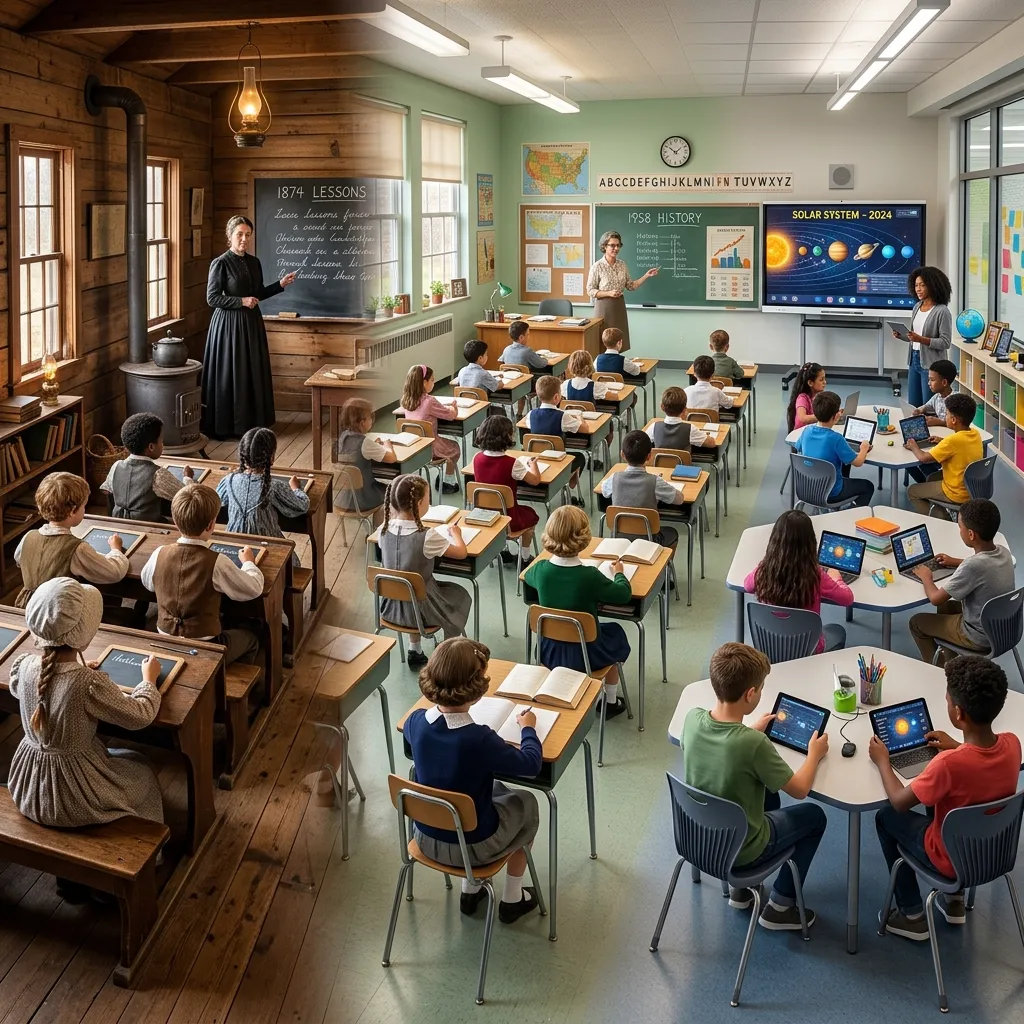
Education systems constantly adapt to meet the changing needs of students and educators. Historically, schools operated on a one-size-fits-all model, relying almost exclusively on standardized testing and rigid curricula to support student development and curriculum execution. However, the modern educational landscape has shifted entirely. The introduction of deeper strategies focusing on individual learning styles has provided a new avenue for schools to acquire specialized resources, technology, and funding. By joining forces with external organizations and focusing on individual potential, educational institutions gain access to cutting-edge tools and wellness programs designed to enhance the daily learning experience.
This collaborative and highly tailored approach goes far beyond simple classroom management. Modern alliances focus on integrating meaningful, actionable resources that directly impact student outcomes. When schools align their core values with the specific needs of their students, they create environments that actively reduce anxiety and promote sustained concentration. These advanced methods allow educators to implement comprehensive student wellness programs that would otherwise be cost-prohibitive or logistically impossible to manage independently. As we move further into a highly connected era, the reliance on individualized learning paths will only grow, making it essential for school administrators to understand how to cultivate these frameworks effectively.
True progress in the classroom requires a departure from industrial-era teaching methods. The shift toward recognizing the unique cognitive landscape of each learner allows educators to build bridges rather than walls. By leveraging targeted interventions, teachers can pinpoint exact areas where a student might struggle and provide immediate, relevant support. This level of attention ensures that no student falls through the cracks, fundamentally altering the trajectory of their academic career.
Core Benefits of Customized Learning
Enhancing Student Focus and Retention
One of the primary advantages of this modern approach in the educational sector is the dramatic improvement in student focus and information retention. Organizations specializing in education technology and cognitive science frequently provide resources that help students minimize daily distractions. From mindfulness applications to ergonomic classroom furniture, these resources create a physical and digital environment specifically tailored for deep work and concentration.
When students feel physically comfortable and mentally supported, their ability to retain complex information increases significantly. Efforts often fund specialized training for teachers, equipping them with the skills to identify distraction triggers and implement immediate, effective interventions. By utilizing cognitive development tools provided through these frameworks, educators can track progress and adjust their teaching methods to better suit diverse learning styles, ensuring that no student is left behind in the pursuit of academic excellence.
Cultivating Calm Learning Spaces
Anxiety and stress remain significant barriers to academic success across all age groups. Recognizing this challenge, many forward-thinking schools leverage specialized frameworks to design spaces specifically dedicated to mental well-being and emotional regulation. These wellness rooms or quiet zones provide students with a safe, supervised place to decompress during the demanding school day.
Allies frequently supply sensory tools, ambient lighting systems, and acoustic treatments that transform standard, noisy classrooms into tranquil sanctuaries. By prioritizing a calm atmosphere through sensory-friendly classroom design, schools demonstrate a profound commitment to holistic student health. This ensures that emotional regulation and mental peace are treated with the exact same level of importance as standard academic achievement, as supported by research from the American Psychological Association.
The Importance of Content Personalization
Content personalization transforms passive content consumption into interactive experiences. When users encounter messaging that speaks directly to their pain points and aspirations, they are more likely to engage, convert, and become repeat customers. Recent studies from institutions like the Massachusetts Institute of Technology (MIT) confirm that personalized web experiences can lift conversions by up to 30% compared to generic campaigns (source). By delivering tailored value at each touch point, brands demonstrate an understanding of individual customer journeys, which fosters trust and encourages deeper commitment.
Moreover, personalization drives brand loyalty. Audiences are inundated with content daily, but messages that address specific interests, purchase histories, or browsing behaviors stand out amid the noise. This level of relevance enhances the perceived value of each interaction, leading to higher lifetime customer value and repeat business. In today’s competitive environment, personalization isn’t optional—it’s essential. Brands that deliver contextually relevant content can differentiate themselves, improve customer satisfaction, and secure sustainable growth.
Gathering and Managing Quality Data

Effective personalization in content marketing hinges on accurate, comprehensive data. The journey begins with first-party sources—information you collect directly from customers. Utilize website forms, account registrations, and newsletter sign-ups to capture basic demographics and preferences. Complement these inputs with behavioral data such as page views, click paths, time on site, and content downloads. Integrating your Customer Relationship Management (CRM) platform with marketing automation tools centralizes data and provides a single source of truth, ensuring all teams access the same insights.
However, quantity does not guarantee quality. Focus on attributes that influence content relevance: job titles, purchase history, content-topic interests, and engagement milestones. Avoid data overload by applying progressive profiling—gathering additional details in small increments during subsequent interactions. This technique respects user experience by requesting only information that enhances personalization, reducing form abandonment rates. Remember to maintain rigorous data hygiene: regularly clean out outdated or duplicate records, and standardize formats to support seamless segmentation and analysis.
Segmenting Your Audience for Effective Personalization
Once you have a solid data foundation, divide your audience into clearly defined segments. Start with demographic categories such as location, industry, or company size for B2B, and age, interests, or purchase behavior for B2C. Next, layer in psychographic variables—motivations, challenges, and brand attitudes—to craft richer profiles. Advanced marketers implement dynamic segmentation, which adjusts group membership based on real-time actions. For example, a user who streams a webinar on advanced analytics may automatically join an “Analytics Enthusiasts” segment and receive follow-up resources tailored to that topic.
Dynamic lists eliminate manual upkeep and ensure that each contact receives the most relevant content. Use automation workflows to trigger content delivery when a user crosses a predefined threshold—such as spending a specific amount of time on a product page or abandoning a shopping cart. This approach ensures that every message aligns with the user’s current context and delivers value at precisely the right moment.
Comparison: Traditional Education vs. Modern Frameworks
|
Feature |
Traditional Educational Models |
Modern Individualized Frameworks |
|---|---|---|
|
Resource Access |
Limited strictly to standard district funding |
Expansive, supplemented by targeted investments |
|
Wellness Focus |
Often viewed as secondary to standardized metrics |
Deeply integrated into daily learning routines |
|
Technological Tools |
Basic, often relying on outdated infrastructure |
State-of-the-art tools, applications, and hardware |
|
Teacher Support |
Standardized, generic district training sessions |
Specialized, dynamic workshops and continuous learning |
|
Learning Environment |
Rigid, standardized classroom layouts |
Customized, ergonomic, and flexible learning spaces |
Expert Insights and Pro Tips
To maximize the effectiveness and longevity of these educational shifts, educational leaders and district administrators should adhere to several proven strategies developed by industry experts. First and foremost, schools must always maintain total academic independence. While external resources are undeniably valuable, the core curriculum must remain objective and entirely free from bias.
Pro Tip: Establish a dedicated oversight committee comprised of veteran teachers, active parents, and school administrators to review all proposed learning frameworks thoroughly. This structured review process ensures that every initiative serves the best interests of the students and aligns with the community’s ethical standards.
Furthermore, schools should integrate new wellness tools gradually. Introducing too many new technologies, apps, or daily routines at once can easily overwhelm both staff and students, negating the calming effects they were designed to produce. By phasing in new resources systematically, educators can properly evaluate their impact on classroom focus and make necessary adjustments before rolling them out district-wide.
Common Mistakes to Avoid in Academic Settings
Navigating pedagogical shifts requires careful planning, foresight, and a deep understanding of educational ethics. Many well-meaning institutions stumble by committing to frameworks without fully understanding the long-term implications for their students and staff.
Avoid these critical errors when developing your collaborative strategies:
- Failing to define clear, measurable success metrics before officially launching the initiative.
- Implementing systems that lack a proven, documented commitment to student welfare and ethical practices.
- Allowing excessive distractions within the classroom, which detracts from the learning environment.
- Neglecting to gather consistent, anonymous feedback from teachers and students regarding the effectiveness of the integrated tools.
- Overlooking strict data privacy concerns and compliance requirements when implementing third-party digital platforms.
Crafting Dynamic and AI-Driven Content Experiences

Dynamic content adapts in real time to individual user characteristics, delivering personalized experiences across emails, landing pages, and web modules. Implement variable tags to reference a contact’s name or company, and swap visual assets based on geographic location or browsing history. In email campaigns, design modular templates with conditional content blocks that render messages only when criteria are met. This level of customization elevates user experience and drives higher open and click-through rates.
Artificial intelligence (AI) further amplifies personalization. Machine learning models can analyze vast datasets to predict optimal send times, subject lines, and content themes. AI-driven recommendation engines suggest related articles or products based on each user’s past interactions. For example, you might integrate an AI tool from a research institution like the National Institute of Standards and Technology (NIST) to refine behavioral analysis (source). Natural language processing (NLP) enables tone and style adjustments, ensuring messaging resonates on an individual level.
By combining dynamic content with AI insights, brands can deliver hyper-personalized experiences that evolve with user behavior. Over time, machine learning algorithms learn which messaging variations perform best, continuously optimizing campaigns without manual intervention.
Scaling and Measuring Success with Personalization Strategies
As you refine your personalization framework, focus on scalability and performance measurement. Marketing automation platforms enable you to deploy complex workflows without increasing manual workload. Create trigger-based sequences—welcome series for new subscribers, re-engagement campaigns for dormant leads, and upsell or cross-sell offers for loyal customers. Periodically audit your automation flows to align with shifting business objectives and customer preferences.
Testing is critical. Conduct A/B tests on subject lines, calls to action, and dynamic content blocks to identify high-performing combinations. Use multivariate testing for more sophisticated experiments, evaluating multiple variables simultaneously. Analyze results at the segment level; what resonates with one group may not work for another. Continuously iterate based on data-driven insights to enhance engagement and conversion metrics.
Measuring ROI on personalization requires a clear attribution model. Track key performance indicators—open rates, click-through rates, conversion rates, average order value, and customer lifetime value. Compare these metrics against baseline results from non-personalized campaigns to gauge lift. Incorporate campaign tagging and multi-touch attribution to understand how personalized content influences each stage of the buyer journey. By quantifying the impact of personalization, you can justify budget allocations and prioritize high-impact tactics moving forward.
Conclusion
In today’s competitive environment, personalization in content marketing is a strategic imperative. By gathering and managing high-quality data, segmenting audiences intelligently, and leveraging dynamic content alongside AI-driven insights, brands can deliver tailored experiences that resonate with individual customers. Automation platforms ensure scalability, while rigorous testing and measurement validate results and guide optimization. As you implement these advanced tactics, remember to uphold ethical standards—respect user privacy, maintain transparent data practices, and offer clear opt-out options.
This year (2026), organizations that invest in personalization frameworks will differentiate themselves, deepen customer relationships, and drive sustainable growth. Use the strategies outlined here as a blueprint to refine your approach, test boldly, and measure impact diligently. In today’s digital landscape, the brands that master personalization at scale will capture attention, foster loyalty, and achieve lasting success.
Frequently Asked Questions
1. What exactly is personalization in an educational context?
It involves tailoring the learning experience to the specific needs, skills, and interests of individual students. This approach aims to dramatically improve the overall quality of education, facility infrastructure, and student well-being by acknowledging that standard, uniform methods do not work for everyone.
2. How does it improve student focus?
By providing targeted access to specialized tools and adjusting the pace of learning to match the student, it helps eliminate pervasive classroom distractions and actively promotes sustained concentration during challenging tasks, preventing both boredom and overwhelming frustration.
3. Can highly customized learning compromise academic standards?
If not managed correctly with strict oversight, it could lead to gaps in core knowledge. It is absolutely vital for schools to establish rigorous, non-negotiable guidelines ensuring that individual pacing still aligns with essential state and federal educational benchmarks.
4. What types of environments make the best spaces for this learning?
Environments that focus heavily on educational technology, mental health services, community wellness, and flexible seating generally make the most effective and aligned spaces for academic institutions seeking to improve their classroom focus and overall calmness.
5. How do schools protect student privacy when using individualized data?
Schools must carefully and legally review the privacy policies of any digital platform tracking student progress. They must ensure strict compliance with federal educational privacy laws and explicitly prohibit the selling, sharing, or monetization of private student learning data.
6. Why is creating a calm learning environment so important?
A tranquil, predictable environment significantly reduces student anxiety and chronic stress. When students feel physically safe and mentally relaxed, their cognitive functions improve, leading to much better information retention and a consistently positive attitude toward lifelong learning.
7. What are some real-world examples of wellness initiatives tied to this?
Common, highly effective initiatives include the creation of dedicated sensory rooms, funding for full-time on-site mental health counselors, school-wide mindfulness training programs tailored to different age groups, and the introduction of comprehensive nutrition workshops.
8. How can teachers effectively integrate these new resources into their routines?
Teachers should receive comprehensive, paid training on any new pedagogical tools before they are introduced to students. Gradual implementation, combined with continuous administrative support, allows educators to seamlessly weave personalization into their daily lesson plans without feeling overwhelmed.
9. Are these methods only beneficial for large, well-funded private schools?
Absolutely not. In fact, historically underfunded public schools often benefit the most from these structural shifts, as targeted resources and differentiated instruction can bridge massive academic gaps and provide disadvantaged students with incredible opportunities they might otherwise lack entirely.
10. How long does it typically take to see the benefits of these initiatives?
While some benefits, such as improved classroom behavior due to new ergonomic seating and flexible pacing, can be observed almost immediately, deeper cultural shifts regarding mental wellness and sustained academic focus typically develop gradually over the course of a full academic year.
In closing, the true power of an optimized educational environment lies in its ability to adapt. As we look toward the future, the commitment to refining our pedagogical approaches must remain steadfast. By keeping the unique needs of the individual learner at the center of all administrative and curricular decisions, we guarantee a brighter, more focused future for all involved.
Integrating true personalization holds the power to reshape the modern learning experience. By prioritizing wellness and sustained concentration, educational institutions can unlock unprecedented student potential. Start evaluating your current strategies today and build environments that champion academic excellence, calm classrooms, and lifelong student well-being. Embrace the future of focused learning now.