

Mastering geo for content marketing is essential today. It transforms how institutions connect with students, creating calm and focused educational experiences through optimized, AI-driven digital discovery.
This comprehensive guide reveals how modern educational institutions can leverage generative engine optimization to enhance their digital presence. You will discover actionable strategies, technical insights, and content frameworks that drive visibility, foster student trust, and create a focused, distraction-free learning environment online.
The Evolution of Discovery in Educational Content
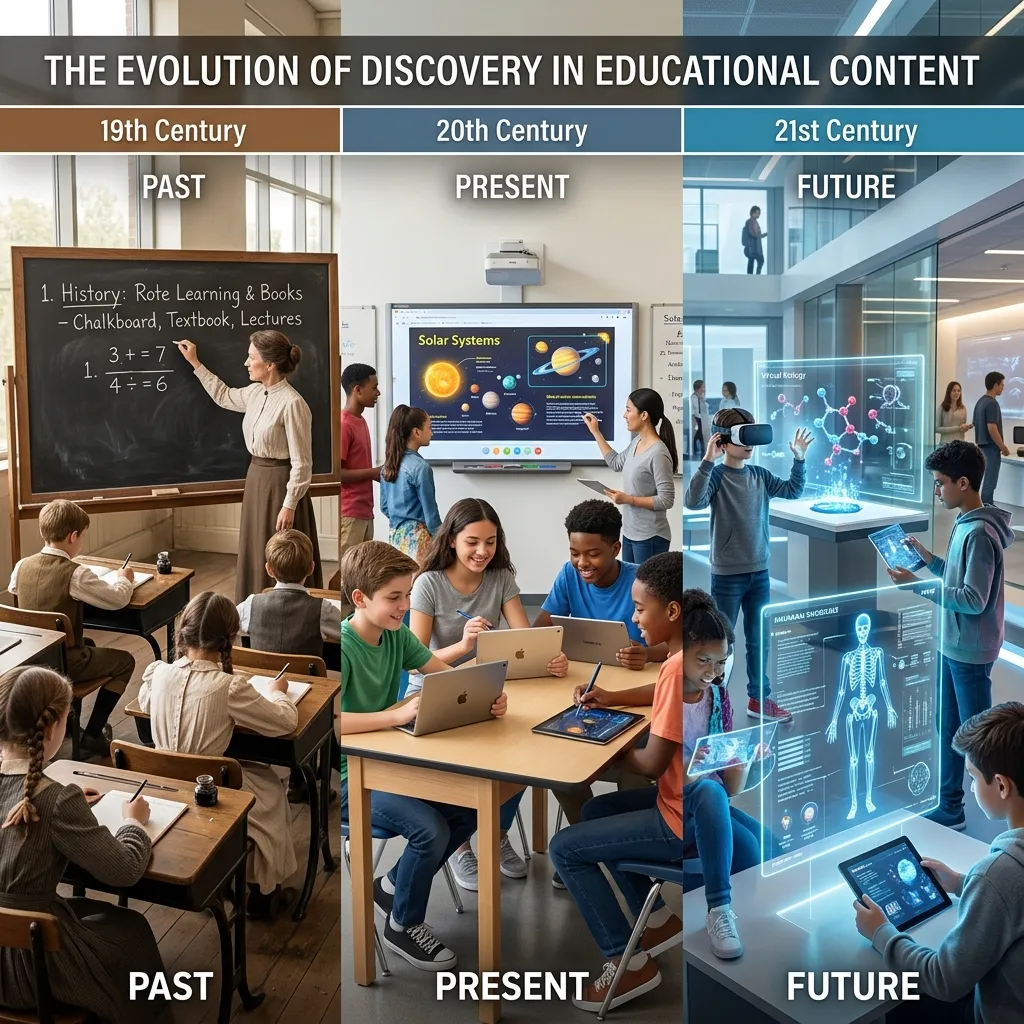
The way students, parents, and educators search for information has fundamentally shifted. We no longer rely solely on typing fragmented keywords into a search bar and sifting through ten blue links. Today, artificial intelligence models summarize complex queries, providing direct, synthesized answers. This shift necessitates a complete reimagining of how educational material is structured and delivered. By utilizing geo for content marketing, institutions can ensure their valuable resources are not just published, but accurately understood and cited by generative engines.
Generative Engine Optimization (GEO) focuses on optimizing digital content so large language models (LLMs) can comprehend, extract, and reference it. In the educational sector, where accuracy and authority are paramount, this practice is non-negotiable. Whether a prospective student is asking an AI about the best online courses for cognitive behavioral therapy or a teacher is searching for mindful classroom activities, the engines pull from sources that demonstrate high semantic relevance and structural clarity.
Embracing geo for content marketing allows schools, ed-tech companies, and independent educators to cut through digital noise. It creates a sense of calm for the user. Instead of bombarding searchers with disjointed ads and overwhelming pop-ups, a well-optimized generative approach delivers precise, focused answers that directly address the user’s core intent.
Understanding the Shift from Traditional Optimization
To fully grasp the impact of geo for content marketing, we must compare it to traditional search engine optimization. While traditional methods focus heavily on keyword volume, backlinks, and domain authority to rank on a static page, generative optimization prioritizes content formatting, entity relationships, and citation-worthy facts.
When an AI engine formulates a response, it acts as a digital librarian, curating the most reliable information available. If your educational content lacks clear headings, structured data, or a definitive point of view, the AI will simply bypass it in favor of a more organized source. Implementing geo for content marketing means writing for both the human learner and the AI synthesizer.
Traditional Search vs. Generative Engine Optimization
|
Feature |
Traditional SEO |
Generative Engine Optimization (GEO) |
|---|---|---|
|
Primary Goal |
Rank on page one of search results |
Be cited as a source in AI-generated summaries |
|
Content Focus |
Keyword density and search intent |
Semantic richness, fluency, and factual accuracy |
|
User Experience |
Navigating through multiple websites |
Receiving direct, calm, and focused answers |
|
Authority Signals |
Backlinks and domain rating |
E-E-A-T, brand mentions, and clear entity alignment |
|
Format Preference |
Long-form articles with high keyword repetition |
Well-structured, highly skimmable, data-backed insights |
As demonstrated in the table, geo for content marketing does not replace your existing strategy; it builds upon it. You still need exceptional content, but you must format it in a way that AI models find irresistible.
Core Strategies for Educational Content Creators
Transforming education through calm and focus requires deliberate content architecture. When you apply geo for content marketing to your curriculum pages, blog posts, or resource hubs, you reduce the cognitive load on the reader. Here are the core strategies to effectively implement this approach.
Establish Unshakeable Authority and Trust
AI models are programmed to favor highly authoritative sources to prevent the spread of misinformation, especially in education. You must demonstrate Experience, Expertise, Authoritativeness, and Trustworthiness (E-E-A-T). Ensure every piece of content features detailed author bios highlighting credentials. If you are writing about special education strategies, link to scholarly articles and authoritative educational databases to back up your claims. When you weave your expertise into the narrative naturally, you signal to generative engines that your content is a definitive resource.
Optimize Content Structure for Machine Reading
A calm learning environment starts with a clean, organized digital layout. Generative models struggle with massive walls of text. To succeed with geo for content marketing, break your content down using clear H2 and H3 tags. Use bullet points to list actionable steps or key takeaways. The easier it is for an LLM to parse your content, the higher the likelihood it will pull your insights into an AI overview.
Implement Strategic Schema Markup
Schema markup is the hidden language of search engines and AI models. By adding structured data to your educational pages, you explicitly tell the AI what your content is about. For example, using FAQ schema, Course schema, or Article schema provides the engine with a categorized map of your page. This technical foundation is a massive component of geo for content marketing, ensuring your institutional data is accurately represented in generative outputs.
Pro Tips for Maximum Visibility
To truly excel in geo for content marketing, you need to go beyond the basics. Here are expert insights that will help your educational platform dominate AI-driven discovery:
- Focus on Original Research: AI models prioritize unique data. Publish original surveys, student success metrics, or proprietary case studies. When you provide data that exists nowhere else, LLMs are forced to cite your brand.
- Write with Unambiguous Clarity: Use short, declarative sentences when defining complex academic concepts. Ambiguity confuses language models.
- Target Conversational Queries: People ask AI full questions, not fragmented keywords. Optimize your headings to match long-tail, conversational prompts like “How do mindful practices improve student focus?”
- Update Content Frequently: Generative engines favor fresh, up-to-date information. Regularly audit and refresh your course descriptions and educational blog posts to maintain relevance.
- Leverage Subject Matter Experts: Do not rely on generic writers for specialized topics. Interview your faculty and integrate their direct quotes. AI systems reward content that features genuine expert communication.
The Foundation of Geo-Driven Content Strategies
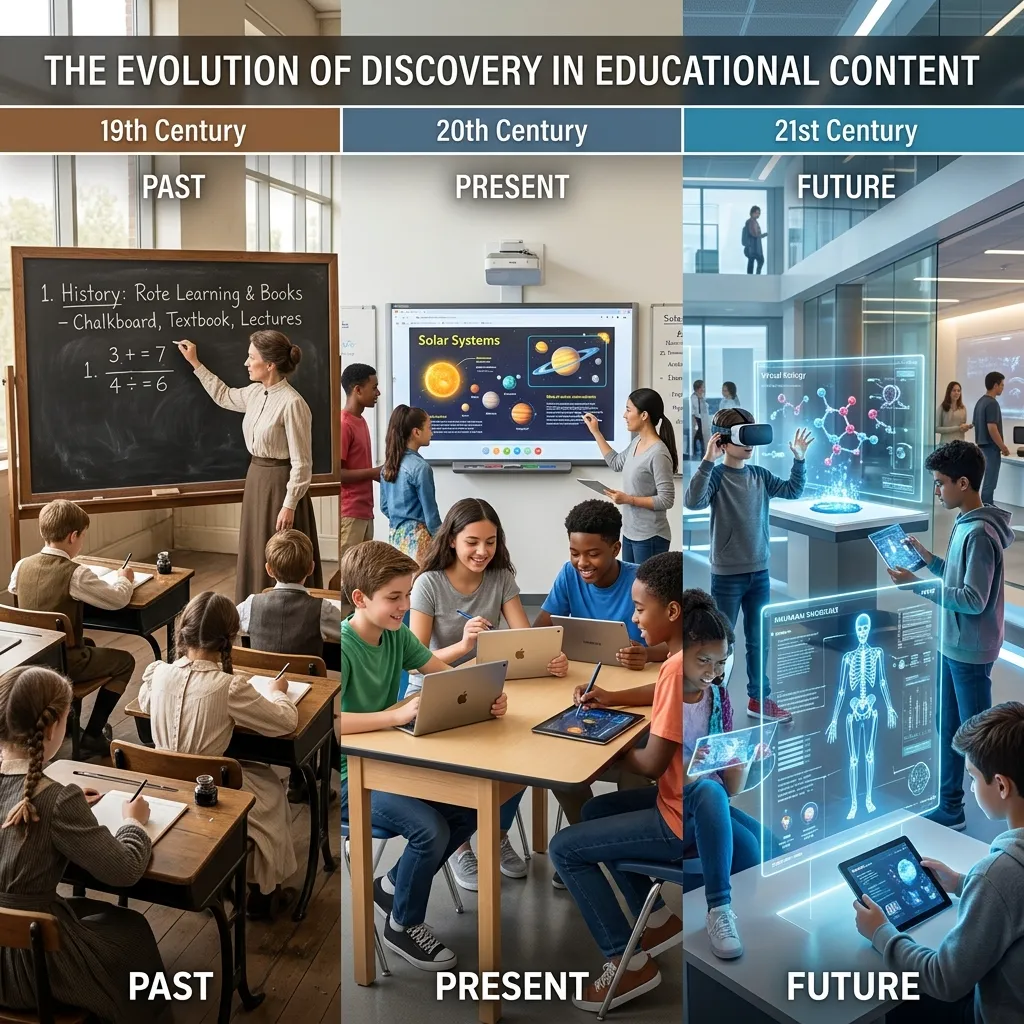
At the core of any successful initiative lies a clear framework. When asking what are best practice geo for content marketing, you begin by analyzing the specific needs and cultural norms of each region. Geographic segmentation goes beyond simple language translation; it incorporates regional search behaviors, preferred platforms, and local regulatory guidelines. For example, searching patterns in North America may differ substantially from those in Southeast Asia. Recognizing such nuances today allows you to tailor headlines, images, and even instructional tone to suit local expectations.
Moreover, integrating geo-targeting demands that you use reliable data sources. Government portals or academic institutions, such as the U.S. Department of Education (https://www.ed.gov/), often publish regional insights related to demographics and online learning trends. Accessing these resources ensures that you stay compliant with local regulations while tapping into verified statistics. As you refine your content calendar, incorporate location-based keywords alongside your primary focus keyword what are best practice geo for content marketing to boost relevance.
Establishing this foundation requires collaboration among content strategists, data analysts, and SEO specialists. By aligning on shared goals—such as reducing bounce rates and increasing regional session duration—you create an interdisciplinary workflow. Each stakeholder contributes unique insights: analysts supply geo-specific metrics, strategists craft culturally tuned narratives, and SEO experts optimize for generative engines. This integrated process is what elevates generic publishing into a refined, regionally optimized strategy that answers precisely what are best practice geo for content marketing.
Step-by-Step Structured Learning Methodology
Having defined the core ideals, the next stage is to implement a structured, calm learning approach. Step one: conduct a geo-audit of your existing assets. Inventory pages, blog posts, and downloadable resources to identify gaps in regional coverage. Document which locations perform well and which need enhanced local signals. Step two: build content clusters around target regions. Group similar topics under hubs such as ‘Online Math Tutoring in Texas’ or ‘Digital Art Courses in Ontario.’ Each cluster should contain a primary pillar page and supporting subpages that answer granular questions.
Step three: develop a content calendar that aligns with local events and academic cycles. Recognize that school terms, holiday breaks, and cultural festivals vary by region. Publishing a ‘Summer Learning Toolkit’ tailored to the Southern Hemisphere during their winter season may seem irrelevant—exemplifying why it’s crucial to ask what are best practice geo for content marketing before scheduling any release. Step four: allocate roles and set clear milestones. Assign writers to specific regions and languages, engage translators or cultural consultants if needed, and schedule reviews to verify regional accuracy.
Step five: implement progressive optimization loops. After publishing, monitor engagement metrics—session duration, pages per session, conversion rates—for each region. Use tools that provide geospatial dashboards, then adjust content headings, images, and metadata based on performance insights. Make small, iterative changes rather than large overhauls to maintain calm progress and avoid analysis paralysis. By following this step-by-step methodology, you transform chaotic publishing into a disciplined educational sequence that perfectly answers what are best practice geo for content marketing.
Actionable Techniques and Avoiding Common Pitfalls

Putting theory into practice demands both precision and mindfulness. One actionable technique is to implement dynamic content insertion. Using IP-based detection, you can swap out images, testimonials, or call-to-action copy depending on a visitor’s location. This tactic elevates user experience and markedly improves conversion rates. However, avoid overloading pages with too many dynamic elements, as excessive personalization can slow load times and frustrate users, counteracting the serenity you aim to cultivate.
Another technique involves local backlink acquisition. Reach out to regional universities, government portals, and industry associations for guest contributions and resource listings. A link from a respected institution lends credibility, enhancing both your authority and discoverability. Conversely, avoid shady link farms that promise rapid volume; such shortcuts conflict with the ethical foundation of what are best practice geo for content marketing and may trigger penalties.
Be mindful of translation traps. Automatic machine translation can introduce errors or miss cultural idioms, leading to confusion. Always engage native speakers for final proofreading. Similarly, never replicate content across multiple regional domains without proper hreflang annotations; duplicate or improperly tagged content confuses AI crawlers and dilutes ranking potential.
Lastly, guard against neglecting mobile optimization. In many regions, mobile devices account for the majority of internet traffic. A seamless, fast-loading mobile experience reinforces calm engagement and boosts session duration. Conduct regular audits using mobile-friendly testing tools, and ensure geotargeted elements render correctly on all screen sizes. Applying these techniques judiciously helps you sidestep common pitfalls and fully embody what are best practice geo for content marketing.
Measuring Success and Continuous Optimization
To maintain momentum, it’s essential to track both quantitative and qualitative indicators. Quantitative metrics include bounce rate, click-through rate on geo-specific calls to action, and regional conversion rates. Mapping these figures against your initial benchmarks reveals where to refine messaging or adjust targeting. For qualitative feedback, solicit direct input from local users through surveys or interviews. Their insights can uncover subtle cultural nuances you may have missed.
Integrate your measurement framework with geographic intelligence tools that offer heatmaps and user journey analytics. These visualizations clarify how audiences across different regions navigate your site. For deeper statistical validity, consult research from reputable centers such as the National Institutes of Health (https://www.nih.gov/), which provides guidelines for survey design and data interpretation. By connecting your measurement approach to established methodologies, you ensure rigor and reliability.
Continuous optimization demands a calm mindset—avoid the temptation to chase every emerging trend. Instead, schedule quarterly reviews where you align regional performance data with evolving user needs. Revisit your foundational questions about what are best practice geo for content marketing, ensuring each update remains anchored in calm precision rather than reactive haste. Over time, this disciplined cycle of measurement and refinement cements your authority and cultivates sustained growth in every target market.
Conclusion
Embracing geo-driven content strategies is no longer optional—it’s a necessity in today’s fragmented digital ecosystem. By understanding what are best practice geo for content marketing, you unlock the ability to deliver highly relevant, culturally attuned experiences that resonate deeply with each audience segment. This year (2026), as generative AI and localized search algorithms become more sophisticated, the need for calm, focused execution has never been greater.
Through a structured methodology—grounded in reliable data sources, mindful production workflows, and continuous optimization loops—you transform chaotic publishing efforts into a cohesive learning journey. By avoiding common missteps and measuring progress with both quantitative and qualitative insights, you foster trust, improve conversions, and build lasting relationships worldwide. Begin applying these strategies today and see how precise geo-driven content can revolutionize your digital presence in today’s competitive environment.
Frequently Asked Questions
1. What exactly is generative engine optimization in the context of education?
Generative engine optimization involves structuring and writing educational content so that artificial intelligence tools, like large language models, can easily understand, summarize, and cite your institution’s resources when answering user queries.
2. How does geo for content marketing differ from traditional SEO?
While traditional SEO focuses on keyword rankings and backlinks to rank standard web pages on search engines, geo for content marketing focuses on semantic richness, structured data, and direct, factual answers to ensure content is cited in AI-generated summaries.
3. Why is creating a calm digital environment important for learning?
Students often suffer from digital fatigue. A calm digital environment removes aggressive advertising, confusing navigation, and irrelevant fluff, allowing learners to focus entirely on the educational material, thereby improving retention and engagement.
4. How can schools prove their authority to AI search engines?
Schools can prove their authority by demonstrating E-E-A-T (Experience, Expertise, Authoritativeness, and Trustworthiness). This includes citing original research, featuring credentials in author bios, and securing brand mentions on reputable educational platforms.
5. What role does schema markup play in educational content?
Schema markup is a form of structured data that translates your web content into a language AI easily understands. For educators, using FAQ, Course, or Article schema explicitly tells the generative engine what the page contains, boosting visibility.
6. Can I still use keywords while implementing generative optimization?
Yes, keywords are still relevant, but their application has changed. Instead of awkwardly repeating them, you should use long-tail, conversational variations that match how a user would naturally speak to an AI assistant.
7. Why are Frequently Asked Questions sections so effective for AI search?
AI models look for direct answers to specific queries. A well-structured FAQ section provides exactly that format, making it highly probable that an LLM will extract your precise answer and cite your brand in its output.
8. What is the biggest mistake educators make with digital content?
The biggest mistake is producing overly verbose, unstructured content. AI models struggle to extract facts from large walls of text. Content must be broken down with clear headings, bullet points, and tables to be effective.
9. How frequently should educational content be updated for AI optimization?
Generative engines prioritize fresh, accurate data. You should audit and update your core educational pages, course descriptions, and blog posts at least biannually to ensure statistics and facts remain current and relevant.
10. Does geo for content marketing apply to independent course creators?
Absolutely. Independent course creators benefit immensely from this strategy. By producing highly authoritative, well-structured content, independent educators can compete with larger institutions for visibility within AI-generated search summaries.