
Social Media Marketing has become an important part of modern digital business growth. Platforms such as Facebook, Instagram, LinkedIn, TikTok, and X allow businesses to communicate directly with potential and existing customers. Instead of depending only on traditional advertising, businesses can use social platforms to build visibility, share valuable content, promote products, and develop long-term customer relationships.
The growth of social media has also changed how people discover and evaluate brands. Customers can now interact with businesses, read reviews, watch product demonstrations, and compare options before making purchasing decisions. This creates opportunities for businesses of different sizes to reach relevant audiences without relying entirely on large advertising budgets.
The Role of Social Media Marketing in Business Growth
Social media gives businesses a direct channel for communicating with their target audiences. Through regular posts, videos, stories, advertisements, and conversations, companies can create multiple opportunities for people to discover their brands.
A strong social presence can also keep a business visible between purchases. When customers repeatedly see useful and relevant content from a brand, they may become more familiar with its products or services.
Building Brand Awareness
Brand awareness is one of the primary benefits of social media. Businesses can introduce their products, services, values, and expertise to audiences that may not have discovered them through traditional search.
Consistent branding across social platforms can make a business easier to recognize. Visual elements, messaging, tone, and content themes should work together to create a recognizable online identity.
Reaching Target Audiences
Social media platforms provide businesses with opportunities to reach specific audience segments based on factors such as interests, behaviors, demographics, and professional characteristics.
Understanding the target audience allows marketers to create content that addresses relevant problems and interests. This can make campaigns more meaningful than generic messages aimed at everyone.
How Content Marketing Supports Social Media Growth
 Content Marketing and social media work closely together. Social platforms provide distribution channels, while useful content gives audiences a reason to follow, engage with, and remember a brand.
Businesses can repurpose blog articles, videos, guides, case studies, infographics, customer stories, and educational resources into social media content. This creates multiple touchpoints from a single content asset.
Creating Valuable Social Content
Successful social content should provide value rather than focus entirely on promotion. Educational posts can answer common customer questions, while informative videos can demonstrate how products or services work.
Businesses can also share industry insights, practical tips, behind-the-scenes content, and customer experiences. A balanced content mix can help maintain audience interest over time.
Turning Long-Form Content Into Social Posts
A detailed blog article can generate several social media posts. Key statistics, individual tips, short explanations, questions, and visual summaries can all become separate pieces of content.
This approach helps businesses maximize existing content while maintaining a consistent publishing schedule.
Using Creative Advertising to Reach More Customers
Creative Advertising can help businesses capture attention in crowded social media feeds. Users are exposed to large amounts of content every day, so advertisements need to communicate their value quickly and clearly.
Creative advertising does not necessarily mean using complicated designs. Strong visuals, relevant messaging, clear offers, and an understanding of audience needs are often more important.
Developing Attention-Grabbing Visuals
Images and videos can communicate ideas quickly. Businesses should use visuals that are relevant to their products and consistent with their brand identity.
Short-form video has become particularly useful for demonstrating products, explaining services, sharing customer experiences, and presenting educational information.
Writing Effective Ad Messages
Advertising copy should quickly communicate what the customer can gain. Instead of focusing only on product features, businesses can explain how their offerings address specific problems or needs.
A clear call to action can then guide users toward the next step, such as visiting a website, contacting the business, downloading a resource, or making a purchase.
Developing Creative Marketing Strategies
Modern businesses need Creative Marketing Strategies to stand out in competitive social media environments. Creativity can involve the format of a campaign, the storytelling approach, the audience interaction, or the way a product is presented.
The most effective strategies should still be connected to measurable business objectives.
Using Storytelling
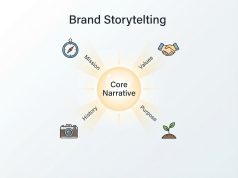
Storytelling can make brand communication more memorable. Businesses can share their origins, customer experiences, product development processes, or the problems they aim to solve.
Instead of presenting a series of disconnected promotional messages, storytelling can create a broader narrative that gives audiences more context about the brand.
Encouraging Audience Participation
Interactive content can encourage users to become active participants rather than passive viewers. Polls, questions, quizzes, challenges, and user-generated content campaigns can create opportunities for direct interaction.
Audience participation can also provide businesses with useful feedback about customer preferences and expectations.
Increasing Customer Engagement Through Social Media
 Engagement is an important part of building relationships online. Likes and shares can provide visibility, but meaningful conversations can create stronger connections between businesses and their audiences.
Businesses should respond to comments, answer questions, acknowledge feedback, and participate in relevant conversations. Social media can become more valuable when it functions as a communication channel rather than only a broadcasting platform.
Responding to Customers
Quick and helpful responses can improve the customer experience. People may use social platforms to ask about pricing, availability, product features, delivery, or support.
Providing clear answers can reduce uncertainty and demonstrate that the business pays attention to its customers.
Building Online Communities
Businesses can use social media to create communities around shared interests. A community can include customers, potential customers, industry professionals, and other interested audiences.
Regular educational content, discussions, live sessions, and community-focused activities can help maintain engagement beyond individual promotional campaigns.
Using Social Media to Generate Leads
Social media can support lead generation by directing interested users toward landing pages, contact forms, downloadable resources, newsletters, product pages, or consultation requests.
Lead generation becomes more effective when the offer matches the audience’s needs. For example, a business may provide a free guide or educational resource in exchange for contact information.
Creating Strong Calls to Action
A clear call to action tells users what to do next. Examples include “Learn More,” “Download the Guide,” “Request a Consultation,” or “Explore the Course.”
The CTA should match the user’s stage in the customer journey. Someone discovering a brand for the first time may respond better to educational content than an immediate sales request.
Using Landing Pages
Social campaigns should direct users to relevant landing pages rather than generic destinations whenever possible. A focused landing page can continue the message introduced in the social post or advertisement.
Consistent messaging between the advertisement and landing page can reduce confusion and make the user journey easier to understand.
How Social Media Marketing Can Increase Sales
Social media can influence purchasing decisions by helping customers discover products, understand benefits, compare options, and interact with brands.
Businesses can use product demonstrations, testimonials, educational content, promotional campaigns, and social proof to support different stages of the buying journey.
Using Social Proof
Reviews, testimonials, customer stories, and user-generated content can provide additional information for potential buyers. People often look for evidence that others have had positive experiences with a product or service.
Businesses should present genuine customer experiences and avoid misleading claims. Authentic social proof can contribute to greater confidence during the decision-making process.
Supporting the Customer Journey
A customer may encounter a brand on social media, visit its website, subscribe to an email list, and return later before making a purchase. Social media can support each stage of this journey.
Businesses can create different content for awareness, consideration, conversion, and retention rather than expecting one type of post to achieve every objective.
Measuring Social Media Marketing Performance
Measuring results helps businesses understand whether their social media activities are contributing to their goals. Important metrics may include reach, engagement, website traffic, leads, conversions, and customer acquisition results.
Metrics should be connected to specific objectives. A campaign focused on awareness may prioritize reach, while a lead-generation campaign may focus more heavily on qualified leads and conversions.
Tracking Engagement
Engagement metrics can show how audiences interact with content. Comments, shares, saves, clicks, and video views can provide useful signals about content performance.
However, high engagement alone does not necessarily mean a campaign is achieving its business objectives. Marketers should consider engagement alongside traffic, leads, conversions, and other relevant outcomes.
Analyzing Website Traffic
Social media analytics can be combined with website analytics to understand what happens after users click social posts or advertisements.
Businesses can evaluate which platforms and content types generate meaningful website activity. These insights can help marketers improve future campaigns and allocate resources more effectively.
The Importance of Consistency
Consistency is essential for long-term social media growth. Businesses do not necessarily need to publish content every hour, but they should maintain a reliable publishing schedule that their audience can recognize.
Consistent branding, messaging, visual presentation, and communication can strengthen brand recognition. It can also help businesses build a predictable relationship with their followers.
Maintaining a Content Calendar
A content calendar can help businesses organize posts around campaigns, educational topics, product launches, seasonal events, and important business activities.
Planning content in advance also makes it easier to maintain variety. Businesses can balance promotional posts with educational, entertaining, interactive, and community-focused content.
Common Social Media Marketing Challenges
Although social media provides many opportunities, businesses can face challenges such as inconsistent posting, low engagement, unclear goals, limited resources, changing platform algorithms, and difficulty measuring business results.
Simply being present on every platform is not always practical. Businesses should identify the platforms where their target audiences are most relevant and develop strategies around those channels.
Avoiding Excessive Promotion
Audiences may lose interest when nearly every post attempts to sell something. Businesses should create a balanced content mix that provides information, entertainment, education, and community value.
Promotional content can then become part of a broader communication strategy rather than the entire social media presence.
The Future of Social Media Marketing
 Social media marketing will continue to evolve as platforms, user behavior, artificial intelligence, short-form video, social commerce, and personalization develop.Businesses will increasingly need to understand their audiences and create content that feels relevant rather than repetitive. AI can assist with content planning, analytics, customer support, and campaign optimization, but human creativity and strategic judgment remain important.
The future of social media will likely involve stronger integration between content, advertising, customer service, community building, and commerce. Businesses that continuously analyze results and adapt their strategies can keep their social presence aligned with changing audience expectations.
Conclusion
Social Media Marketing can help businesses build visibility, reach target audiences, engage customers, generate leads, and support online sales. Its value comes from combining consistent communication with useful content, relevant advertising, audience understanding, and measurable objectives.
Businesses can strengthen their social presence by using Content Marketing to provide value, Creative Advertising to capture attention, and Creative Marketing Strategies to create memorable campaigns. Rather than focusing only on follower numbers, businesses should connect social activity with meaningful goals such as engagement, website traffic, leads, customer relationships, and conversions.
Frequently Asked Questions
1. What is Social Media Marketing?
Social Media Marketing is the process of using social media platforms to promote a business, build brand awareness, communicate with audiences, generate leads, and support customer relationships.
2. How does Social Media Marketing help businesses grow?
It can help businesses increase online visibility, reach relevant audiences, engage customers, generate website traffic, build trust, and support sales and lead-generation activities.
3. Why is Content Marketing important for social media?
Content Marketing provides useful information that gives audiences a reason to follow and engage with a brand. Blog posts, videos, guides, and educational content can all be adapted for social platforms.
4. What is Creative Advertising in social media?
Creative Advertising involves developing engaging advertising concepts, visuals, videos, and messages designed to capture attention and communicate a clear value proposition to a specific audience.
5. What are Creative Marketing Strategies?
Creative Marketing Strategies are innovative approaches businesses use to communicate with audiences, increase engagement, differentiate their brands, and support marketing objectives.
6. Which social media platform is best for business marketing?
There is no single platform that works equally well for every business. The appropriate platform depends on the target audience, industry, content format, and marketing objectives.
7. Can Social Media Marketing increase sales?
Social Media Marketing can support sales by increasing product awareness, educating potential customers, providing social proof, generating website traffic, and guiding users through the customer journey.
8. How often should a business post on social media?
Posting frequency depends on the platform, audience, available resources, and content strategy. Maintaining a consistent schedule with valuable content is generally more useful than publishing large amounts of low-quality content.
9. How can businesses measure Social Media Marketing success?
Businesses can measure performance using metrics such as reach, engagement, clicks, website traffic, leads, conversions, and other metrics connected to their specific marketing objectives.
10. Is Social Media Marketing useful for small businesses?
Yes. Small businesses can use social media to build brand awareness, communicate directly with customers, showcase products or services, share useful content, and reach relevant audiences through organic and paid campaigns.