
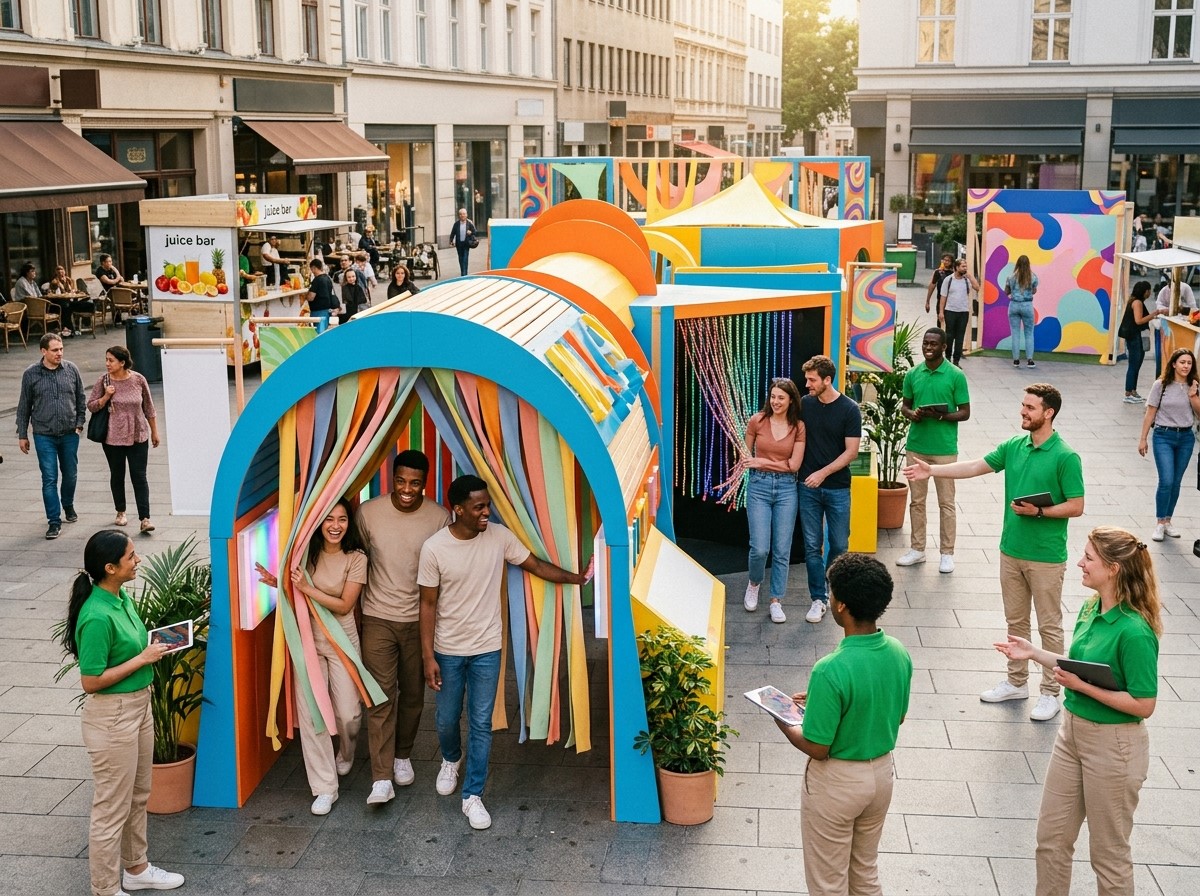
Experiential Marketing gives businesses a way to connect with customers through memorable experiences rather than relying only on traditional advertisements. In a competitive marketplace, customers are exposed to countless promotional messages every day. Creating an experience that people can see, participate in, remember, and share can help a brand create a stronger connection with its audience.
Experiential marketing can include live events, product demonstrations, interactive installations, pop-up experiences, workshops, immersive campaigns, brand activations, and digital experiences. Instead of simply telling customers what a brand offers, these activities allow people to experience the brand in a more direct and engaging way.
What Is Experiential Marketing?
Experiential marketing is a marketing approach that creates direct or interactive experiences between a brand and its audience. The objective is to encourage customers to participate in an activity rather than simply receive a promotional message.
Experiences can take place in physical locations, digital environments, or through a combination of both. The format depends on the brand, audience, campaign objectives, and available resources.
How Experiential Marketing Works
A typical experiential campaign starts with a clear objective, such as increasing awareness, introducing a product, generating engagement, or strengthening relationships with customers.
The brand then develops an experience around that objective. Participants may interact with products, attend an event, complete an activity, explore an installation, or engage with digital content connected to the campaign.
Why Experiential Marketing Helps Brands Stand Out
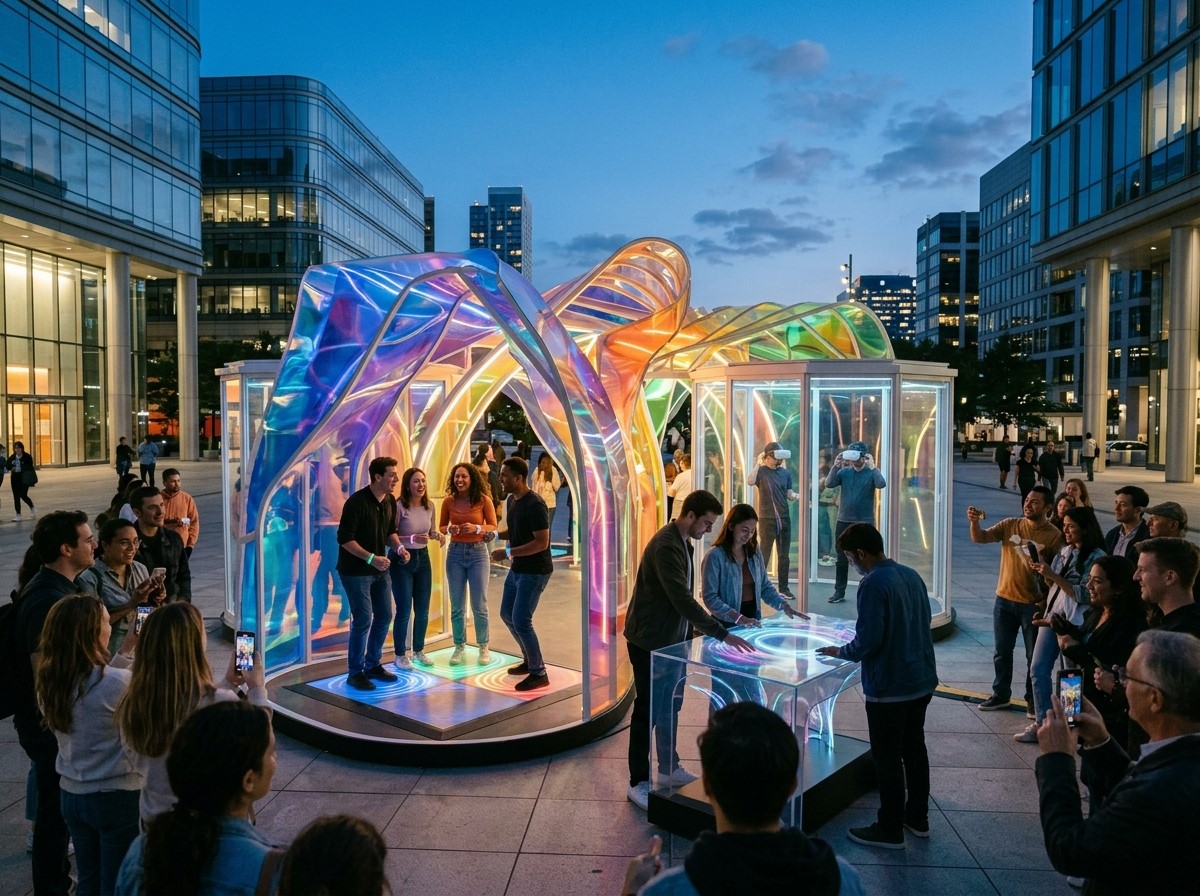 Traditional advertising can communicate a message quickly, but experiential marketing gives audiences an opportunity to interact with the brand. Participation can make the experience more memorable and distinguish the business from competitors using similar promotional formats.
A carefully designed experience can also create emotional associations that extend beyond the initial interaction.
Creating Memorable Brand Experiences
Memorable experiences can influence how customers remember a brand. When people actively participate in an event or activity, they may remember the experience differently than they would remember a standard advertisement.
For example, a product demonstration that allows customers to test a product can create a stronger connection than simply showing the product in an advertisement.
Encouraging Audience Participation
Participation is one of the defining characteristics of experiential marketing. Customers can interact with products, creators, brand representatives, games, installations, or digital experiences.
This interaction changes the audience from passive viewers into active participants, creating additional opportunities for communication and engagement.
The Role of Brand Storytelling
Brand Storytelling can make experiential campaigns more meaningful by giving the experience a clear narrative. Instead of creating an activity without context, businesses can design experiences around their history, mission, values, products, customers, or brand personality. A strong story can give participants a reason to care about the experience.
Turning Experiences Into Stories
An experiential campaign can communicate a brand story through visual elements, interactive activities, demonstrations, customer experiences, and event themes.
For example, a company focused on sustainability could create an interactive experience that demonstrates how its products reduce waste. The experience communicates the brand’s message through participation rather than explanation alone.
Building Emotional Connections
Stories can help customers connect with the meaning behind a brand. When an experiential campaign combines storytelling with participation, customers may develop stronger associations with the brand.
The experience should remain relevant to the audience and authentic to the company’s identity rather than simply adding emotional elements for promotional purposes.
Combining Experiential Marketing With Content Marketing
Content Marketing and experiential marketing can support each other throughout a campaign. An event or brand activation can generate original content, while existing content can help attract people to the experience. This creates opportunities to extend a campaign beyond the people who attend or participate directly.
Creating Content Before an Experience
Businesses can publish teasers, behind-the-scenes content, educational articles, videos, interviews, announcements, and social posts before an experiential campaign begins. This content can introduce the campaign concept and encourage the target audience to learn more or participate.
Extending the Experience After the Campaign
The campaign does not need to end when an event finishes. Businesses can create recap videos, participant stories, interviews, photos, highlights, blog posts, and other content after the experience. This allows the campaign to continue reaching audiences through digital channels.
The Importance of Creative Advertising
Creative Advertising can help businesses promote experiential campaigns in ways that capture attention before the actual experience takes place. Creative promotional materials can communicate what makes the experience different and give audiences a reason to participate.
The advertising should support the experience rather than create expectations that the campaign cannot deliver.
Making Campaign Promotion More Engaging
Businesses can use creative visuals, short videos, interactive advertisements, social media content, and digital storytelling to promote upcoming experiences.
The promotional message should clearly communicate essential information while creating curiosity around the experience.
Connecting Advertising With Real Experiences
Consistency between advertising and the actual experience is important. If promotional content promises something significantly different from what participants encounter, the campaign may create disappointment.
A strong campaign ensures that the advertising message, visual identity, event environment, and customer interaction support the same central idea.
Experiential Marketing and Customer Engagement
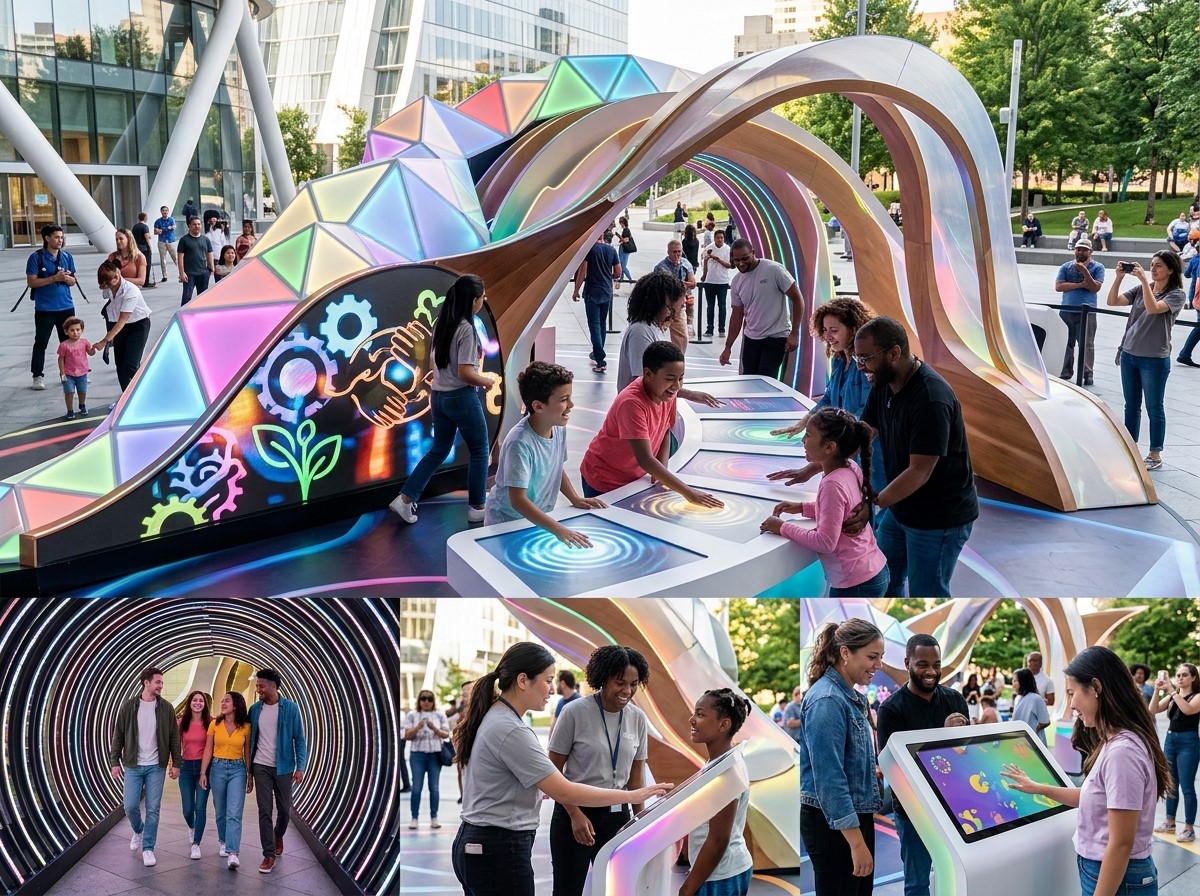 Customer engagement can increase when audiences have opportunities to actively participate in a brand experience. Instead of simply viewing promotional content, customers can ask questions, test products, share opinions, participate in activities, or interact with other attendees. These interactions create opportunities for two-way communication.
Encouraging Social Sharing
People may share interesting or visually appealing experiences with friends and online communities. Businesses can design appropriate photo opportunities, interactive elements, demonstrations, or activities that naturally encourage sharing.
Social sharing can extend campaign visibility beyond the original participants without making the experience feel like a forced advertisement.
Creating Conversations Around the Brand
An experiential campaign can give customers something specific to discuss. People may talk about what they experienced, what they learned, or how they interacted with the brand.
These conversations can create additional awareness and provide businesses with insight into audience reactions.
Using Experiential Marketing for Product Launches
Product launches can benefit from experiential campaigns because customers can see, test, or interact with new products directly.
Rather than relying exclusively on product announcements, brands can create demonstrations or events that allow audiences to understand product features through practical experiences.
Demonstrating Product Benefits
A product demonstration can show customers how a product works and how it may solve a particular problem. Interactive demonstrations can also allow potential customers to ask questions immediately.
This can make product information easier to understand and create more opportunities for meaningful engagement.
Creating Launch Events
A launch event can bring together customers, influencers, media representatives, industry professionals, and other relevant audiences.
The event can combine presentations, demonstrations, interactive activities, and content creation to create a more complete brand experience.
Experiential Marketing and Brand Awareness
Experiential campaigns can contribute to brand awareness by creating situations where customers encounter a brand in memorable contexts.
Events, pop-ups, community activities, product demonstrations, and interactive installations can introduce a business to people who may not have encountered it through conventional advertising.
Reaching New Audiences
Experiential marketing can be designed around specific locations, communities, interests, or events. This allows businesses to reach audiences that are relevant to their products or services.
The experience should be designed with the target audience in mind so that the activity feels useful, interesting, or entertaining rather than intrusive.
Strengthening Brand Recognition
Consistent visual identity, messaging, product presentation, and customer interaction can reinforce brand recognition during experiential campaigns.
When people repeatedly encounter consistent brand elements across different experiences and digital channels, they may become more familiar with the business.
Personalizing Brand Experiences
Personalization can make experiential campaigns more relevant. Businesses can design different activities or communication paths based on audience characteristics, interests, or customer needs.
Digital technology can also provide additional personalization opportunities within physical or online experiences.
Creating Interactive Experiences
Interactive technology such as digital displays, quizzes, augmented reality, virtual experiences, or personalized recommendations can increase participation.
However, technology should support the campaign objective rather than being used simply because it is available. The experience should remain understandable and accessible.
Making Customers Feel Involved
Customers are more likely to engage when they feel that their actions influence the experience. Allowing participants to make choices, contribute ideas, customize elements, or interact directly with products can increase involvement.
The experience should provide genuine value while maintaining a clear connection to the brand.
Experiential Marketing and Customer Loyalty
Experiential campaigns can contribute to customer loyalty by creating positive interactions beyond the basic purchase process. Events, workshops, exclusive experiences, community activities, and customer appreciation programs can give existing customers additional reasons to remain connected.
These experiences can strengthen relationships when they are consistent with customer interests.
Creating Exclusive Experiences
Brands can provide special experiences for existing customers, members, or loyal audiences. These may include previews, workshops, product demonstrations, community events, or exclusive access.
Exclusive experiences can create a sense of participation and give customers opportunities to interact directly with the brand.
Strengthening Community Connections
Experiential marketing can also bring customers together around shared interests. Community-oriented experiences can encourage conversations between customers while creating stronger associations with the brand.
A community-focused approach can be particularly useful for businesses whose products or services are connected to specific interests or lifestyles.
Measuring Experiential Marketing Success
 Experiential campaigns should be measured using objectives that were defined before the campaign begins. Depending on the purpose, businesses may monitor attendance, participation, engagement, social mentions, website traffic, leads, sales, customer feedback, or other relevant indicators. Measurement helps businesses understand what worked and what could be improved.
Tracking Audience Engagement
Businesses can monitor participation rates, event attendance, interactions, social media activity, content shares, and other engagement indicators.
Qualitative feedback can also be valuable because it can reveal how participants perceived the experience and which parts they found most useful or memorable.
Evaluating Business Outcomes
Awareness and engagement are useful, but businesses may also want to understand whether the campaign contributed to broader business objectives.
Depending on the campaign, this could include lead generation, product trials, customer acquisition, sales, repeat purchases, or increased interest in other brand activities.
Common Experiential Marketing Mistakes
Experiential marketing can become ineffective when businesses focus more on spectacle than relevance. An impressive activity may attract attention but fail to communicate what the brand actually offers.
Other problems include unclear objectives, poor event organization, inadequate audience research, inconsistent branding, and failure to follow up after the experience.
Prioritizing Creativity Over Strategy
Creativity is valuable, but it should support a clear marketing objective. A visually impressive campaign that does not connect with the target audience or communicate a relevant message may have limited long-term value. Businesses should connect creative ideas with customer needs and measurable objectives.
Ignoring the Post-Campaign Experience
The relationship should not end when the event or activation finishes. Businesses can follow up with participants through useful content, offers, surveys, community activities, or additional communication. Post-campaign engagement can help turn a temporary experience into a longer customer relationship.
Best Practices for Effective Experiential Marketing
An effective experiential campaign should begin with audience research and a clearly defined objective. The experience should be relevant, easy to understand, consistent with the brand, and designed to encourage genuine participation.
Businesses should also plan content creation, social sharing, measurement, and post-campaign communication before launching the experience.
Focus on Audience Needs
Understanding what the audience values can help businesses create experiences that feel relevant. The campaign should answer a simple question: why would the target audience want to participate?
Useful experiences may educate, entertain, solve a problem, provide access, create community, or introduce something new.
Integrate Multiple Marketing Channels
Experiential marketing can work alongside social media, email, advertising, Content Marketing, public relations, influencer partnerships, and other promotional channels.
Integrating these channels can help create consistent communication before, during, and after the campaign.
Conclusion
Experiential Marketing helps brands stand out by turning marketing messages into direct, interactive, and memorable experiences. Instead of asking customers only to watch an advertisement, experiential campaigns can invite them to participate, explore, test, share, and communicate with the brand.
The approach becomes even more powerful when combined with Brand Storytelling, Content Marketing, and Creative Advertising. Storytelling can give the experience meaning, content can extend its reach, and creative advertising can attract audiences before the campaign begins.
Frequently Asked Questions
1. What is Experiential Marketing?
Experiential Marketing is a strategy that allows customers to interact directly with a brand through memorable experiences. These may include events, product demonstrations, pop-up experiences, interactive installations, workshops, and digital activities.
2. How does Experiential Marketing help brands stand out?
It gives audiences an opportunity to participate rather than simply view a promotional message. Interactive and memorable experiences can help a brand create stronger associations and distinguish its communication from standard advertising.
3. What is Brand Storytelling?
Brand Storytelling is the use of narratives to communicate a brand’s identity, values, history, purpose, products, or customer experiences. It can make marketing communication more meaningful and easier for audiences to connect with.
4. How does Content Marketing support experiential campaigns?
Content Marketing can promote an experience before it happens and extend its reach afterward. Businesses can create videos, articles, social posts, interviews, photos, and other content around the campaign.
5. What is Creative Advertising in experiential marketing?
Creative Advertising involves developing distinctive promotional concepts and messages to attract attention. For experiential campaigns, it can be used to build awareness and communicate what makes the upcoming experience interesting or valuable.
6. Can small businesses use Experiential Marketing?
Yes. Experiential marketing does not always require a large event or expensive technology. Small businesses can create workshops, demonstrations, community activities, pop-ups, product trials, or interactive local experiences based on their resources.
7. How does Experiential Marketing increase customer engagement?
It encourages customers to participate directly through activities, demonstrations, conversations, games, interactive content, or product experiences. This creates opportunities for two-way communication rather than relying only on one-way promotional messages.
8. Can experiential campaigns support brand awareness?
Yes. Experiences can introduce brands to relevant audiences and create memorable interactions. When participants share their experiences or discuss them with others, the campaign may also gain additional visibility.
9. How can businesses measure Experiential Marketing?
Businesses can measure attendance, participation, engagement, social sharing, website traffic, leads, customer feedback, product trials, conversions, and other indicators based on the campaign’s objectives.
10. What makes an experiential marketing campaign successful?
A successful campaign generally has a clear objective, relevant audience, meaningful experience, consistent brand message, effective promotion, opportunities for participation, appropriate measurement, and post-campaign follow-up.