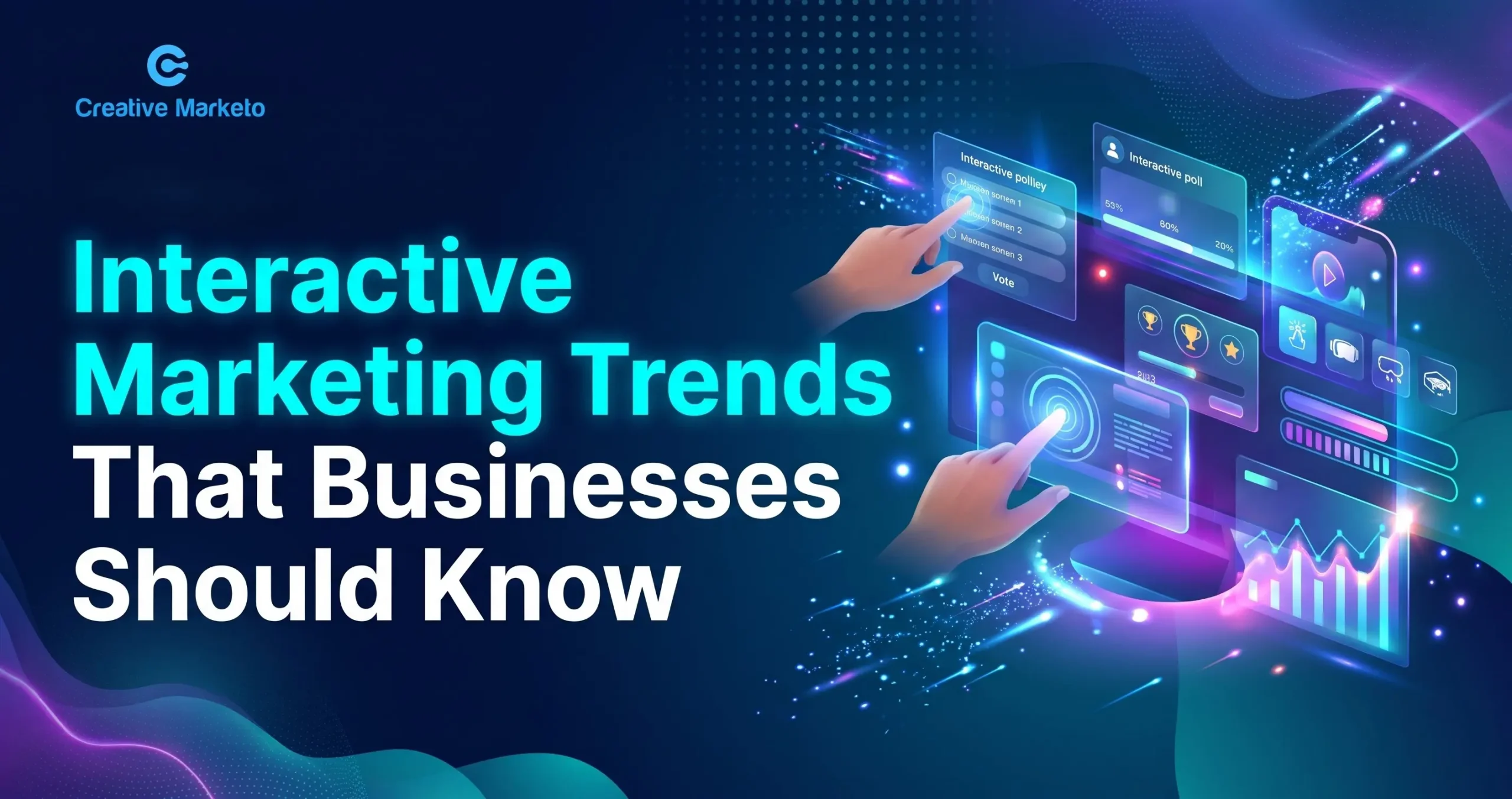
Interactive Marketing is transforming how businesses connect with customers, communicate brand values, and encourage meaningful participation. Instead of relying entirely on traditional advertisements, companies are creating experiences that invite audiences to respond, explore, share opinions, and participate in brand activities. This approach helps businesses build stronger relationships while collecting valuable insights into customer preferences and behavior.
As digital platforms become increasingly competitive, consumers expect personalized experiences and engaging communication. Interactive quizzes, polls, augmented reality experiences, personalized recommendations, and immersive campaigns allow brands to capture attention more effectively. Businesses are also combining digital engagement with Guerrilla Marketing, Experiential Marketing, and Creative Advertising to create memorable customer experiences across multiple channels.
Understanding the Evolution of Interactive Marketing
Interactive Marketing focuses on creating two-way communication between a brand and its audience. Rather than simply presenting promotional messages, businesses encourage customers to participate through digital tools, interactive content, personalized experiences, and real-time conversations. This participation makes marketing more responsive to customer interests and creates opportunities for more meaningful engagement.
The approach has evolved alongside social media, mobile technology, artificial intelligence, and data analytics. Modern campaigns can respond to customer actions, adapt content to individual preferences, and provide immediate feedback. These capabilities help businesses deliver more relevant experiences while understanding which messages and formats generate the strongest responses.
Why Customer Participation Matters
Customer participation helps transform passive audiences into active contributors to the brand experience. When people answer questions, customize products, join challenges, or share feedback, they become more involved in the interaction. This involvement can increase attention and help customers remember the brand.
Participation also gives businesses opportunities to understand customer expectations. Responses to interactive content can reveal common questions, preferred product features, and purchasing motivations. When companies use these insights responsibly, they can improve their marketing messages and develop experiences that better match audience needs.
AI-Powered Personalization and Interactive Experiences
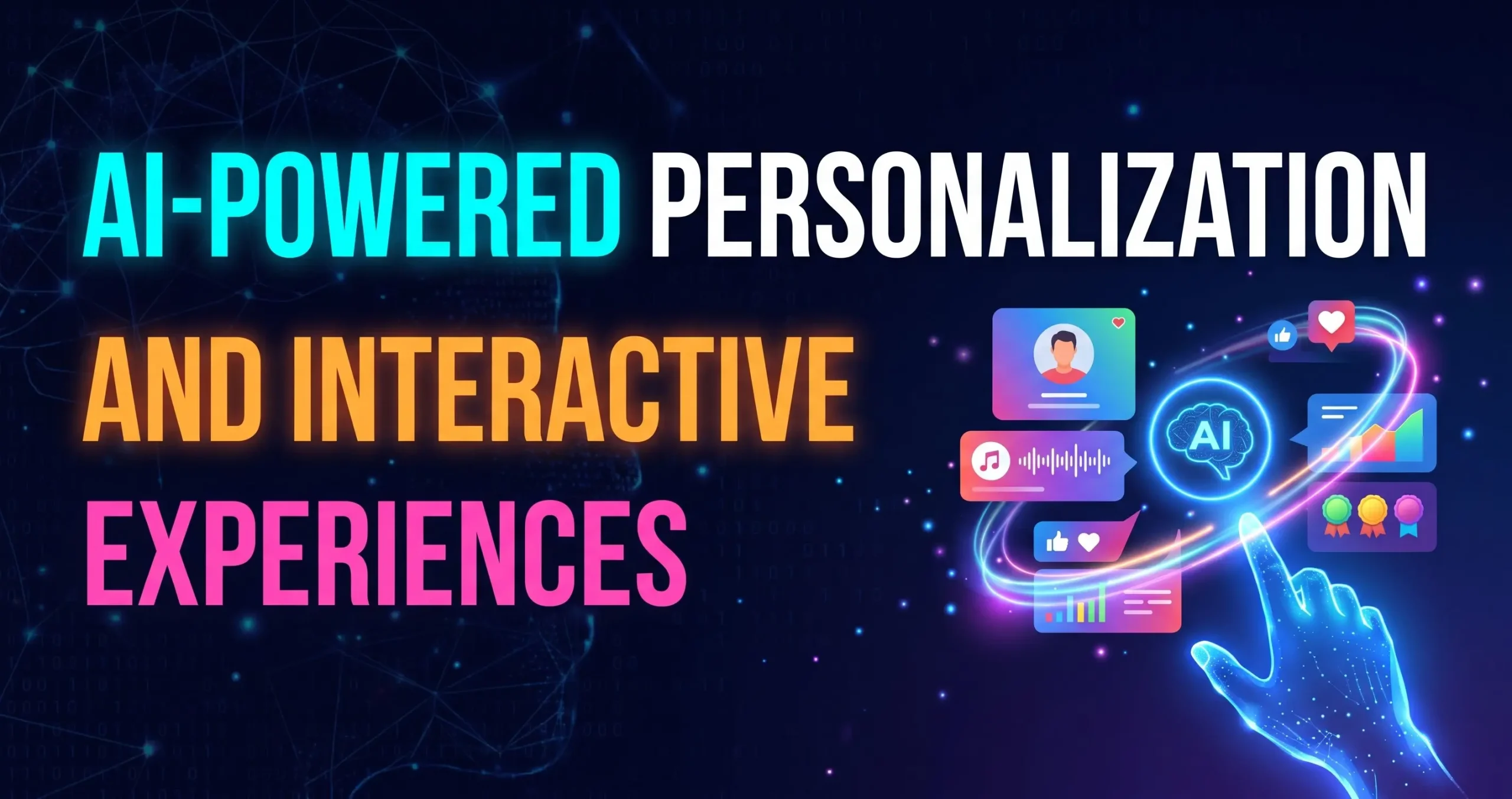 Artificial intelligence is becoming an important part of Interactive Marketing because it enables businesses to deliver more relevant experiences at scale. AI-powered systems can analyze customer interactions, recognize patterns, and recommend content or products based on available information. When implemented carefully, these capabilities can make digital experiences more useful without requiring every customer to follow the same journey.
Businesses can use AI-powered chatbots, product recommendation systems, and personalized content experiences to help customers find information quickly. However, personalization should remain transparent and respectful of privacy. Companies should explain how customer information is used when appropriate and avoid collecting unnecessary personal data.
Personalized Recommendations and Smart Content
Personalized recommendations help customers discover products, services, and information that match their interests. An online retailer, for example, may suggest products based on a shopper’s selected preferences or previous interactions. An educational business might recommend courses according to a visitor’s learning goals.
Interactive tools can make these experiences more engaging. Product finders, preference quizzes, and guided selection forms allow users to provide information directly and receive tailored suggestions. These features can simplify decision-making while helping businesses understand which products or services attract different audience segments.
AI Chatbots and Conversational Marketing
AI chatbots allow customers to interact with brands through natural-language conversations. They can answer frequently asked questions, explain product features, recommend relevant resources, and guide visitors toward suitable next steps. When a question requires human judgment, the chatbot should provide a clear route to customer support.
Conversational marketing can also improve lead generation by asking relevant questions at appropriate moments. Businesses should avoid overwhelming visitors with unnecessary prompts or making automated conversations difficult to exit. The goal is to make assistance convenient and useful rather than interrupting the customer experience.
Interactive Content That Encourages Engagement
Interactive content is an effective way to invite customers to participate rather than consume information passively. Quizzes, calculators, polls, surveys, interactive videos, and product configurators can help audiences explore a topic while providing businesses with useful engagement signals.
The most effective formats solve a real problem or make an activity easier. A financial services company might offer a calculator to help visitors estimate potential costs, while a fitness brand could create a quiz that recommends suitable workout equipment. These experiences provide practical value and can introduce relevant products or services naturally.
Quizzes, Polls, and Interactive Assessments
Quizzes and polls can encourage visitors to share preferences, express opinions, or test their knowledge. Because participation is simple, these formats can work well on websites, social media platforms, and email campaigns. Results can also provide useful insights into the subjects that interest an audience.
Interactive assessments are particularly valuable when the results help users make decisions. A business could create a short assessment that identifies common challenges and recommends relevant resources. To maintain trust, companies should explain how submitted information will be used and avoid presenting informal quiz results as professional diagnoses or guaranteed predictions.
Interactive Video and Product Demonstrations
Interactive video gives viewers opportunities to influence what they see or explore additional information during playback. Depending on the platform, viewers may choose a product feature, open a demonstration, answer a question, or move to a relevant section of the video.
These experiences can help businesses explain complex offerings more clearly. For example, a software company might create a guided demonstration that lets visitors explore different features according to their needs. Clear navigation, mobile compatibility, and accessible controls are essential to ensure that interactive elements enhance the experience rather than create unnecessary complexity.
Experiential Marketing and Immersive Brand Experiences
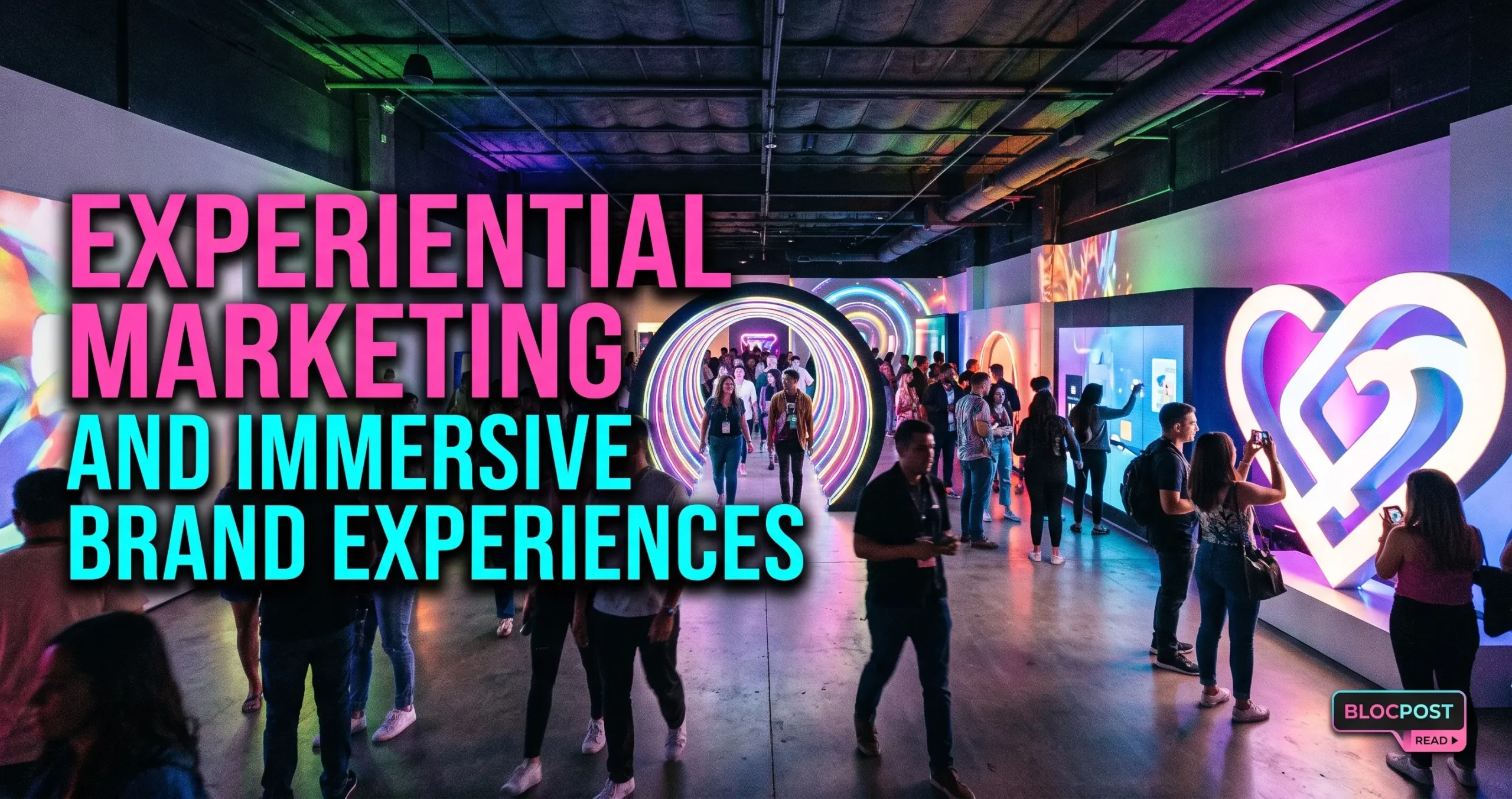 Experiential Marketing focuses on creating memorable experiences that allow customers to engage directly with a brand. These experiences may include product demonstrations, live events, pop-up installations, workshops, interactive exhibitions, and virtual brand activities. Rather than communicating value only through promotional messages, businesses give audiences opportunities to experience products or brand stories.
Experiential campaigns can strengthen brand recognition when they are relevant to customer interests and provide genuine value. They can also encourage social sharing when participants find the experience enjoyable or distinctive. However, successful execution requires clear objectives, suitable locations or platforms, accessible participation, and a plan for measuring results.
Augmented Reality and Virtual Experiences
Augmented reality allows digital elements to appear within a view of the physical environment, while virtual reality can create immersive digital spaces. Businesses can use these technologies to help customers visualize products, explore environments, or experience demonstrations before making purchasing decisions.
For example, a furniture retailer may offer an augmented reality feature that helps customers preview how an item could look in a room. A travel company might provide a virtual tour of a destination. These applications are most effective when they address a genuine customer need and work reliably across supported devices.
Creating Memorable Brand Activations
Brand activations encourage people to interact directly with a company’s products, services, or message. A brand might organize an interactive workshop, a public demonstration, or a hands-on product experience that allows visitors to discover its benefits.
The experience should connect clearly with the brand’s identity and audience expectations. Businesses should also consider accessibility, safety, permissions, staffing, and customer flow when organizing physical activities. Measuring participation, feedback, qualified leads, and subsequent purchases can help determine whether the activation achieved its intended goals.
Guerrilla Marketing Meets Interactive Campaigns
Guerrilla Marketing uses unconventional, attention-grabbing ideas to create memorable promotional experiences, often without depending on large advertising budgets. When combined with interactive elements, it can encourage audiences to participate in a campaign rather than simply notice it. Examples include creative public installations, location-based challenges, interactive displays, and community activities that invite people to respond.
A successful campaign should be surprising without becoming confusing, disruptive, or misleading. Businesses need to consider public permissions, accessibility, safety, cultural expectations, and the potential impact on surrounding communities. When the concept fits the audience and brand, unconventional experiences can generate attention and encourage organic sharing.
Turning Unexpected Moments Into Participation
Interactive Guerrilla Marketing can transform an ordinary environment into an opportunity for discovery. A retail brand might create a permitted interactive display where visitors can test a product, while a community-focused business could organize a public creative activity that encourages participation.
The experience should offer a clear reason to engage. Simple instructions, an understandable message, and an optional digital follow-up can help participants move from curiosity to deeper interest. Businesses should not assume that attention automatically produces sales, so they need a suitable method for evaluating engagement and commercial outcomes.
Extending Campaigns Through Social Sharing
Social sharing can extend the reach of an interactive campaign beyond its original location. Businesses may encourage participants to share their experiences, photographs, or responses when doing so is appropriate and voluntary. A recognizable campaign hashtag or dedicated landing page can help organize public participation.
Companies should avoid pressuring people to post or implying that participants endorse a product when they do not. If incentives are offered, the terms should be transparent. Authentic participation and a positive experience are more valuable for long-term reputation than artificially inflated engagement figures.
Creative Advertising Through Interactive Storytelling
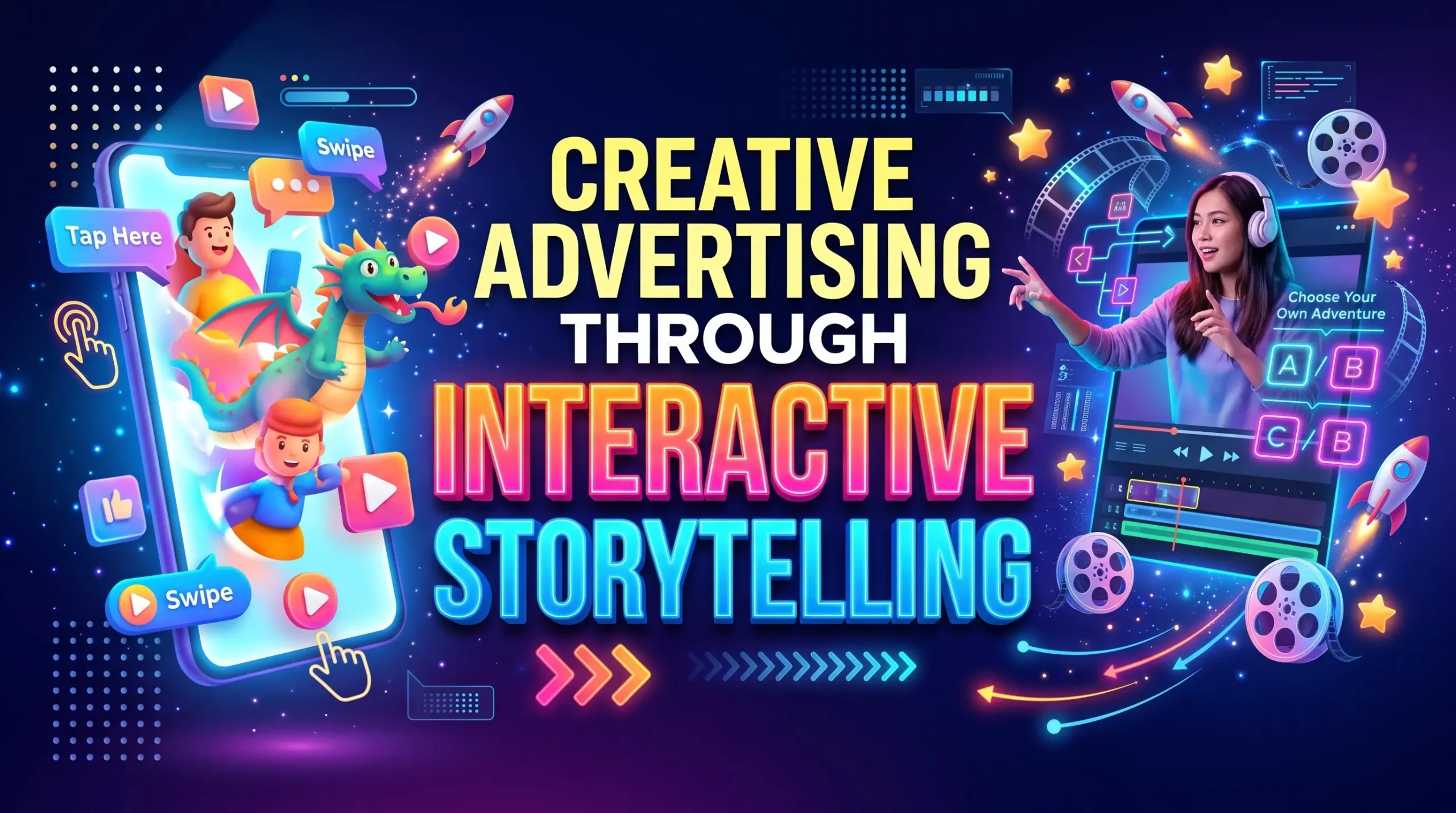 Creative Advertising helps brands communicate messages through distinctive concepts, engaging visuals, compelling stories, and unexpected presentation. When advertising becomes interactive, customers can explore the message, choose between options, or influence parts of the experience. This combination can make promotional content more memorable while encouraging people to spend more time with the brand.
Interactive storytelling can be especially effective when the audience’s choices have a meaningful purpose. A campaign might let users explore different product benefits, follow alternative story paths, or discover content based on their interests. The interaction should support the central message instead of distracting from it.
User-Generated Content and Brand Participation
User-generated content includes photographs, videos, reviews, stories, and other materials created by customers or community members. Brands can invite audiences to participate in themed challenges, share product experiences, or submit creative interpretations of a campaign.
These activities can increase community involvement and provide authentic perspectives on a product or service. Businesses should establish clear participation rules, obtain appropriate permissions before reusing content, and disclose relevant incentives. They should also moderate submissions responsibly and avoid suggesting that selected user experiences represent every customer’s results.
Interactive Social Media Campaigns
Social media platforms provide opportunities for brands to use polls, question stickers, short-form videos, live sessions, and interactive challenges. These formats can encourage immediate responses while helping businesses learn which topics resonate with their audiences.
Campaigns should be adapted to each platform’s audience and functionality. A short poll may work well for collecting quick opinions, while a live product demonstration may be more suitable for answering detailed questions. Businesses should measure meaningful actions, such as qualified inquiries and website visits, rather than evaluating success through likes or views alone.
Omnichannel Interactive Marketing for Consistent Experiences
Customers often move between websites, social media, email, mobile applications, and physical locations before making a purchase. Omnichannel Interactive Marketing connects these touchpoints so that customers receive a consistent experience regardless of where an interaction begins. A coordinated approach can reduce confusion and make it easier for people to continue their journey.
For example, a customer might discover a product through a social media quiz, explore its features on a website, and receive a relevant follow-up email after requesting additional information. Each interaction should support the customer’s preferences and provide a logical next step rather than repeating the same message across every channel.
Connecting Digital and Physical Touchpoints
Digital tools can enhance in-person experiences, while physical activities can encourage further online engagement. QR codes, digital product guides, event registration pages, and interactive displays can connect these environments when they provide a useful reason to continue.
Businesses should ensure that these connections work reliably and do not require unnecessary steps. Landing pages should load quickly, information should remain consistent, and customers should understand what happens after scanning a code or submitting a form. These details help create a smoother experience across channels.
Maintaining Privacy and Customer Trust
Interactive experiences may collect preferences, contact details, survey responses, or other information. Businesses should explain what information they collect, why they need it, and how it will be used. Data collection should be limited to legitimate purposes, with appropriate consent and security measures.
Trust also depends on giving customers reasonable control over their interactions. Clear privacy information, accessible communication preferences, and straightforward ways to unsubscribe or stop automated messages can strengthen confidence. Responsible data practices help businesses personalize experiences without making customers feel monitored or pressured.
Measuring Interactive Marketing Performance
Measuring campaign performance helps businesses determine whether interactive activities contribute to their marketing objectives. Engagement alone does not necessarily indicate business success, so companies should connect participation metrics with outcomes such as qualified leads, completed purchases, repeat visits, and customer retention.
Before launching a campaign, marketers should define the primary objective and establish a baseline for comparison. Tracking should reflect the campaign’s purpose, audience, and customer journey. This creates a more useful foundation for evaluating results and deciding which experiences deserve further investment.
Tracking Engagement and Conversion Metrics
Engagement metrics may include quiz completions, poll responses, video interactions, event participation, and time spent using an interactive tool. Conversion metrics may include form submissions, demo requests, purchases, and registrations. Reviewing these measurements together can reveal whether engagement leads to meaningful actions.
Businesses should also consider the quality of the resulting leads and the cost of generating them. A campaign that produces fewer interactions but attracts customers who are more likely to purchase may offer greater value than one that generates large amounts of low-intent activity.
Improving Campaigns Through Testing
Testing helps marketers compare different creative approaches, messages, interactive formats, and calls to action. A company might test whether a short quiz or a product comparison tool generates more qualified leads. The results can guide future decisions when the test uses consistent measurement and sufficient data.
Campaign performance should be reviewed throughout the customer journey. If users begin an experience but do not finish it, the process may be too long or confusing. If engagement is high but conversions remain low, the offer, landing page, or next step may need improvement. Regular analysis supports more informed optimization.
Conclusion
Interactive Marketing is becoming an important approach for businesses that want to create more engaging, relevant, and memorable customer experiences. From AI-powered personalization and interactive content to Experiential Marketing, Guerrilla Marketing, and Creative Advertising, companies have multiple ways to encourage participation and build stronger relationships with their audiences.
The most effective strategy begins with a clear business objective and a genuine understanding of customer needs. By choosing appropriate interactive formats, connecting marketing channels, respecting customer privacy, and measuring meaningful results, businesses can improve their campaigns over time.
Frequently Asked Questions
1. What is Interactive Marketing?
Interactive Marketing is a marketing approach that encourages customers to participate in brand experiences through tools such as quizzes, polls, chatbots, interactive videos, personalized content, and live activities.
2. Why is Interactive Marketing important for businesses?
It helps businesses encourage customer participation, understand audience preferences, improve brand awareness, generate leads, and create more relevant experiences throughout the customer journey.
3. What are the most common Interactive Marketing trends?
Important trends include AI-powered personalization, conversational marketing, interactive content, augmented reality experiences, user-generated content, social media participation, and connected digital and physical campaigns.
4. How does Experiential Marketing support customer engagement?
Experiential Marketing gives customers opportunities to interact directly with a brand through demonstrations, events, workshops, and immersive experiences. These activities can make a brand more memorable and encourage meaningful participation.
5. What is the difference between Guerrilla Marketing and Interactive Marketing?
Guerrilla Marketing emphasizes unconventional promotional ideas designed to attract attention, often with limited resources. Interactive Marketing focuses on two-way participation. A campaign can combine both approaches by inviting audiences to engage with an unexpected brand experience.
6. How can Creative Advertising become interactive?
Creative Advertising can become interactive through clickable stories, audience polls, product configurators, interactive videos, and user-generated content campaigns that encourage people to participate rather than simply view an advertisement.
7. Can small businesses use Interactive Marketing?
Yes. Small businesses can use affordable tools such as social media polls, quizzes, simple surveys, email questions, and product demonstrations. The most suitable approach depends on the target audience, available resources, and campaign goals.
8. How can businesses measure Interactive Marketing success?
Businesses can track engagement, completed interactions, qualified leads, conversion rates, purchases, customer acquisition costs, and repeat engagement. Metrics should match the campaign’s objectives rather than focus exclusively on views or likes.
9. Does Interactive Marketing require advanced technology?
No. Many interactive campaigns use basic tools such as surveys, polls, quizzes, and live discussions. More advanced options, including augmented reality and AI personalization, can be introduced when they provide sufficient value.
10. How can businesses create an effective Interactive Marketing strategy?
Businesses should identify their target audience, set measurable objectives, select suitable interactive formats, create useful experiences, protect customer privacy, and evaluate results regularly. Testing and continuous improvement help make the strategy more effective over time.