
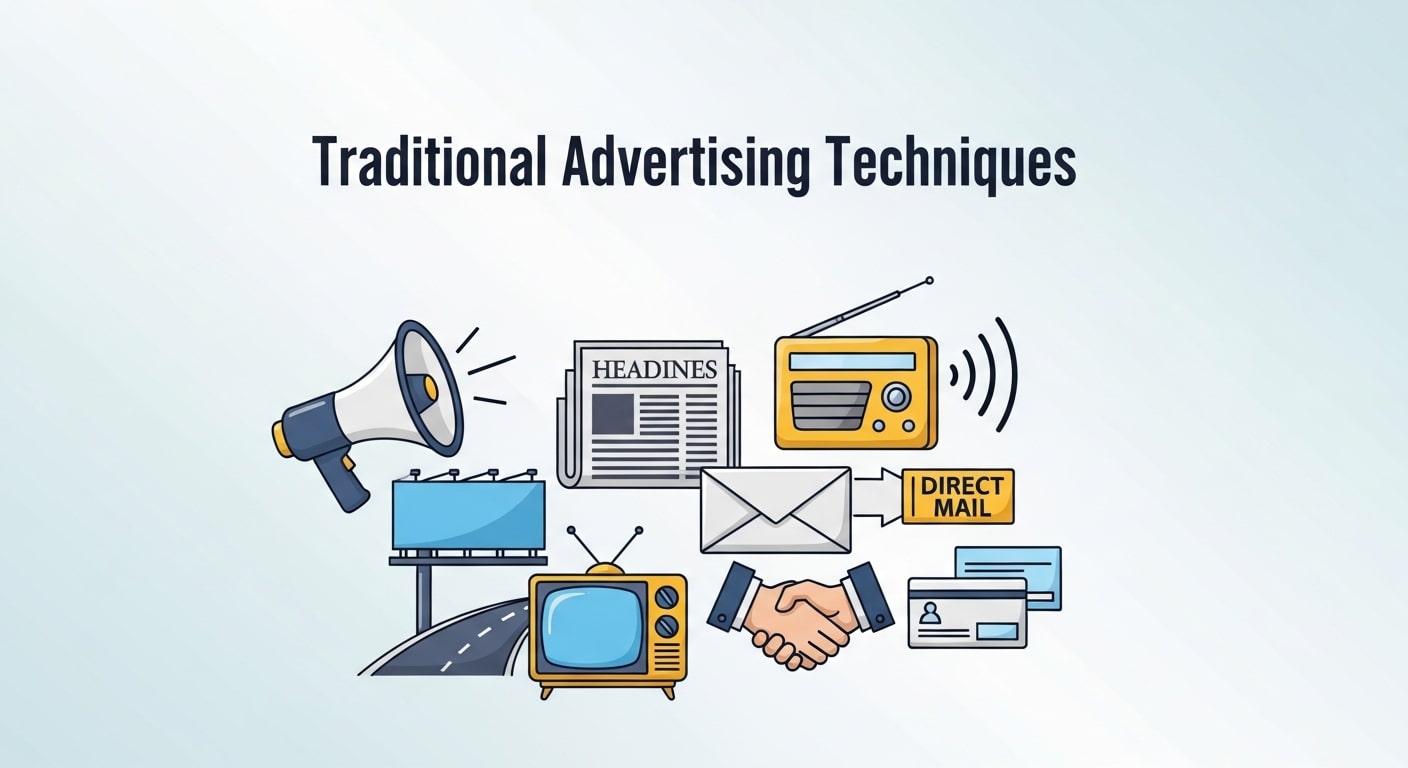
Traditional advertising remains essential by building trust, mass awareness, and brand recall through TV, print, radio, and outdoor media. When combined with digital marketing, it delivers credibility, community connection, and long-term business growth success worldwide.
Traditional Advertising continues to play a vital role in modern marketing despite the rise of digital platforms. From television and radio to print and outdoor media, these time-tested channels help businesses build trust, reach mass audiences, and create strong brand recall. When combined with digital strategies, traditional advertising delivers lasting visibility, credibility, and meaningful customer connections.
Traditional Advertising for Audience Awareness
One of the key strengths of offline promotion is its ability to educate audiences about products and services in a clear and focused way. Television commercials and print placements help brands explain features, benefits, and real-life applications effectively. This is particularly useful for new product launches or industries that require customer understanding. These formats deliver structured messages without digital distractions like pop-ups or competing content. With repeated exposure, awareness increases naturally, building familiarity, trust, and confidence that encourages consumers to consider the brand when making purchasing decisions.
Why Traditional Advertising Still Matters
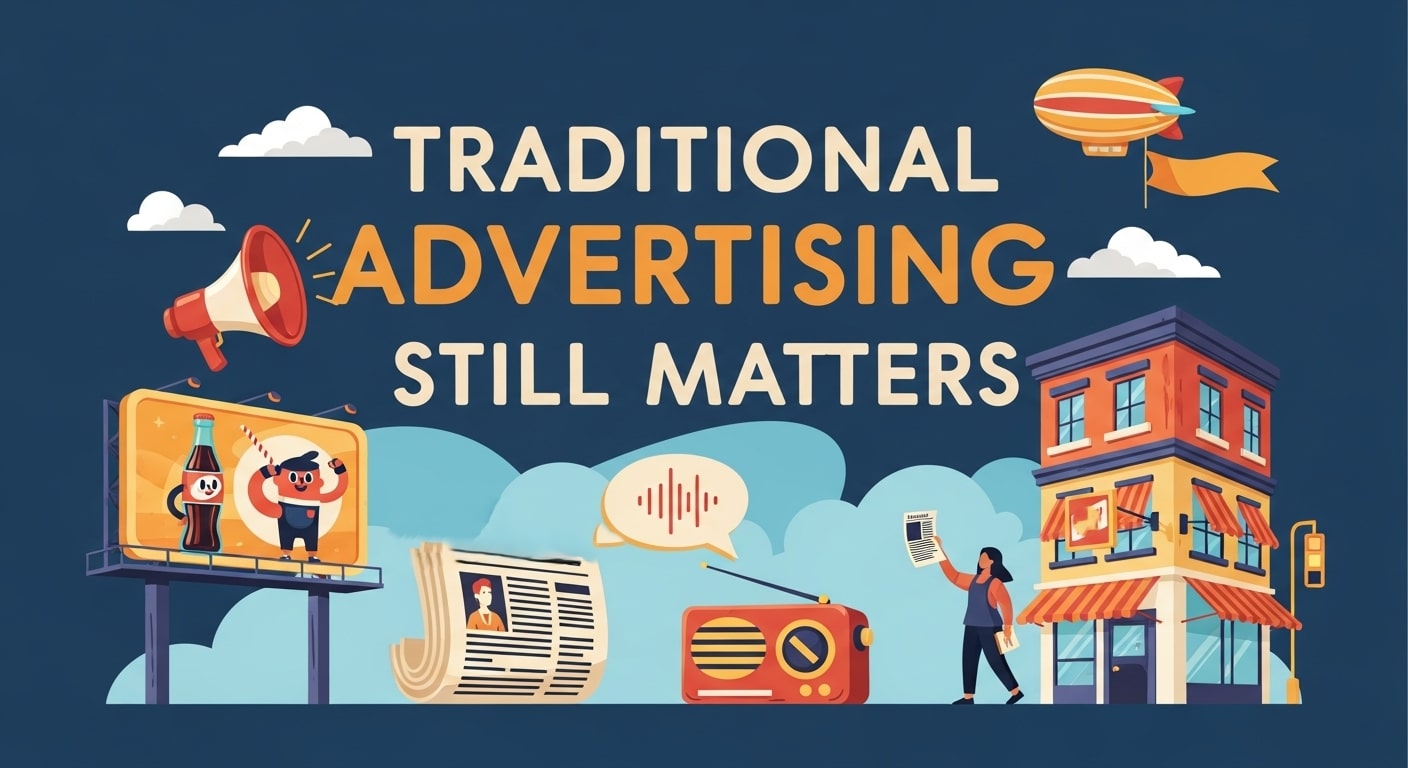
Despite the rapid growth of digital platforms, traditional advertising continues to deliver strong and consistent value for businesses across industries. While online marketing offers speed and precision, traditional advertising provides stability, credibility, and long-term brand presence. Many consumers still engage daily with television, radio, newspapers, and outdoor media, making these channels highly relevant. Traditional advertising also reaches audiences who may not be active online, ensuring broader coverage. When used alongside digital strategies, traditional advertising strengthens overall marketing impact and helps brands build lasting relationships with their audiences.
Mass Reach
Television, radio, and outdoor advertising allow businesses to reach large audiences quickly. These channels provide repeated exposure, making them effective for brand awareness and product launches.
Trust and Credibility
Print, TV, and radio ads are often considered more trustworthy than digital ads. Established media platforms enhance brand credibility and professionalism.
Tactile and Memorable Experiences
Physical formats like newspapers and brochures create a tangible experience. This helps traditional advertising improve engagement and brand recall.
Key Traditional Advertising Techniques That Work
Television Advertising
Television advertising remains one of the most powerful traditional advertising methods due to its ability to combine visuals, sound, and storytelling.
Why It Works:
- Broad demographic reach
- Emotional storytelling opportunities
- Strong visual and audio impact
Example:
Coca-Cola’s iconic Christmas commercials featuring Santa Claus and the red holiday truck continue to build emotional connections and brand loyalty year after year.
Print Advertising
Print advertising includes newspapers, magazines, brochures, flyers, and catalogs. It is especially effective for local businesses and niche audiences.
Why It Works:
- Highly targeted audience reach
- Greater reader focus and engagement
- Enhanced brand credibility
Tip for Success:
Use bold headlines, professional visuals, and clear calls-to-action. For example, a local boutique can boost foot traffic by placing a full-page magazine ad with a limited-time discount.
Radio Advertising
Radio advertising is a cost-effective traditional advertising option that allows brands to build familiarity through repetition.
Why It Works:
- Strong local market influence
- Affordable frequency and reach
- Memorable jingles and voice branding
Example:
Nationwide Insurance’s “Nationwide Is On Your Side” jingle demonstrates how audio branding can stay embedded in consumers’ minds.
Outdoor Advertising
Outdoor advertising includes billboards, transit ads, and posters placed in high-traffic locations.
Why It Works:
- Constant visibility
- Strong brand recall
- Long-lasting exposure
Tip for Success:
Keep messages short and visually bold. Apple’s iPod silhouette ads are a classic example of minimalist outdoor advertising that achieved global recognition.
Direct Mail Campaigns
Direct mail advertising involves sending personalized marketing materials directly to consumers’ homes.
Why It Works:
- Personal and targeted communication
- Tangible brand interaction
- Easy performance tracking with coupons or codes
Tip for Success:
Integrate digital elements like QR codes or landing page URLs to connect offline and online marketing efforts.
Event Sponsorship
Event sponsorship allows brands to engage directly with their target audience through real-world experiences.
Why It Works:
- Face-to-face brand interaction
- Positive community association
- High brand recall through repeated exposure
Example:
Red Bull’s sponsorship of extreme sports and cultural events reinforces its brand image of energy, adventure, and excitement.
Traditional Advertising for Community Connection
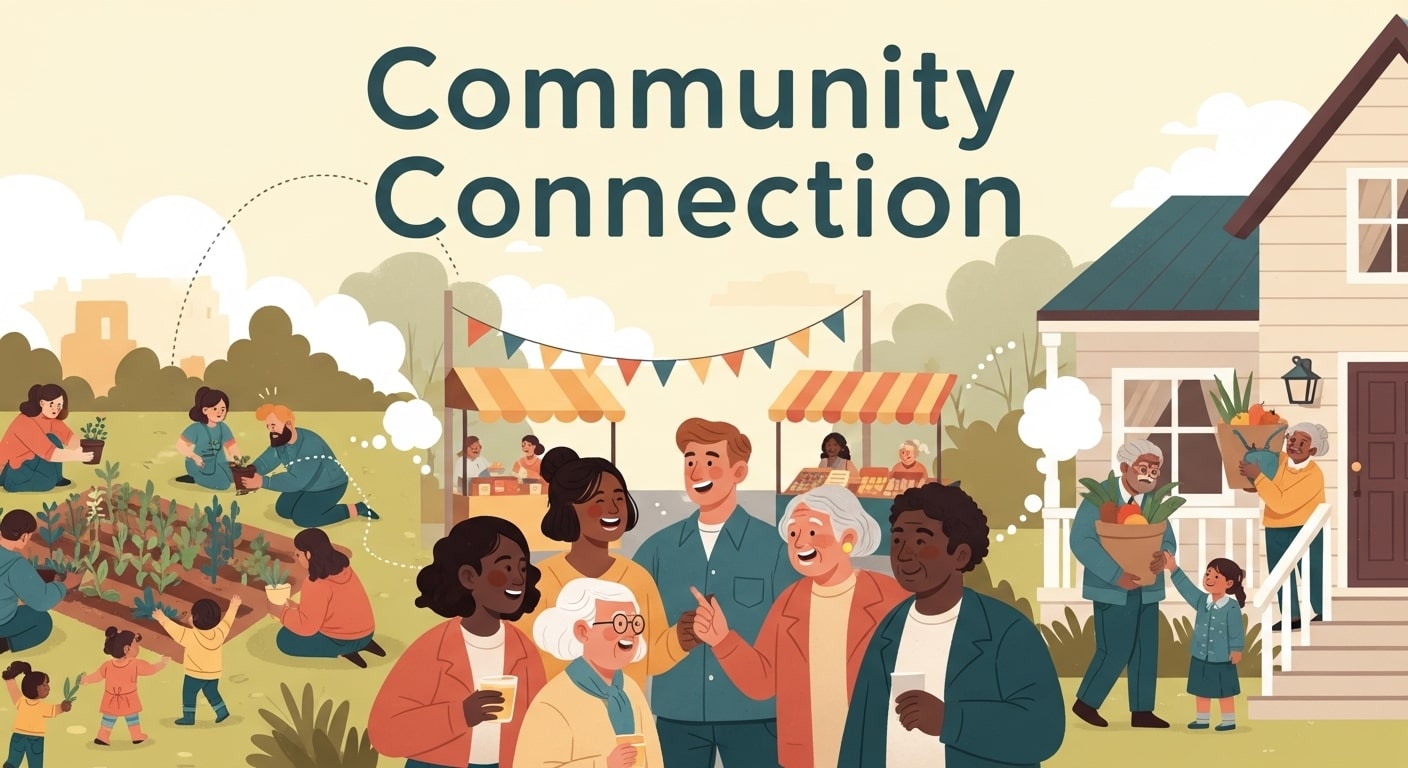
Offline marketing methods help businesses connect with local communities more effectively than many online channels. Local newspapers, radio stations, and event sponsorships build familiarity and trust within neighborhoods. Consumers often feel closer to brands that actively participate in community spaces. These approaches allow businesses to show local support, promote events, and communicate directly with nearby audiences. This community-focused strategy strengthens relationships and encourages loyalty. For local businesses, it becomes a powerful way to build long-term customer connections and repeat business.
Traditional Marketing
Traditional Marketing refers to the use of offline promotional methods that businesses have relied on for decades to reach and influence consumers. This includes channels such as television, radio, newspapers, magazines, billboards, direct mail, and event sponsorships. Traditional Marketing focuses on mass communication, brand visibility, and long-term audience engagement rather than instant online clicks. One of its biggest strengths is credibility, as consumers often trust messages delivered through established media platforms. It also allows businesses to reach audiences who may not be active on digital channels. By creating consistent and memorable brand exposure, Traditional Marketing helps build awareness, trust, and lasting customer relationships, making it a valuable component of a well-rounded marketing strategy.
Traditional Advertising and Market Visibility
Offline promotional methods help businesses maintain strong market visibility by placing brand messages in everyday consumer environments. Billboards along highways, newspaper placements, and radio spots during commute hours keep brands top-of-mind. Unlike online ads that can be skipped or blocked, these messages blend naturally into daily routines. Consistent exposure builds familiarity, which strongly influences purchasing decisions. For brands in competitive markets, this approach extends visibility beyond online channels and strengthens reach among audiences who may not be digitally active. It also helps connect with diverse age groups and income segments more effectively.
Traditional Advertising and Brand Recall
Brand recall is one of the biggest advantages of offline marketing efforts. Catchy slogans, memorable jingles, and strong visuals in TV, radio, and print campaigns stay in consumers’ minds for long periods. Repetition strengthens memory, and offline media excels at delivering consistent exposure. When consumers are ready to purchase, the brands they remember first often gain the advantage. By reinforcing logos, colors, and messaging, these methods help secure valuable mental space. Strong recall not only drives sales but also improves recognition across multiple customer touchpoints.
Guerrilla Marketing: Creative Brand Strategies
Guerrilla Marketing is a creative and unconventional marketing strategy that focuses on capturing audience attention through unexpected and low-cost tactics. Instead of relying on traditional advertising channels, guerrilla marketing uses surprise, creativity, and emotional impact to leave a strong impression on consumers. This approach is often used in public spaces, events, or social settings where people do not expect to encounter advertising. Guerrilla marketing works best when the idea is simple yet memorable, encouraging people to talk about it and share it organically. For businesses with limited budgets, guerrilla marketing offers an effective way to stand out, create buzz, and increase brand awareness without heavy spending.
Traditional Advertising and Message Control
Traditional Advertising offers greater control over brand messaging and placement. Unlike digital ads that may appear next to unrelated or inappropriate content, traditional ads are carefully placed within selected media outlets. This controlled environment protects brand image and ensures message consistency. Businesses can plan ad schedules, placements, and formats in advance, reducing uncertainty. Traditional Advertising also limits distractions, allowing audiences to focus solely on the message. This level of control helps brands communicate more clearly and maintain a professional and trustworthy image.
Traditional Advertising and Buying Intent
Offline promotional channels play a strong role in influencing consumer buying decisions. Repeated exposure through trusted media builds credibility and reduces hesitation. Print coupons, radio promotions, and outdoor placements near retail locations often prompt immediate action. These messages reach consumers during relaxed or attentive moments, such as reading a newspaper or watching television, which increases engagement. Over time, consistent communication helps transform interest into real purchasing behavior.
Traditional Advertising Across Multiple Demographics
Offline marketing methods effectively reach audiences across a wide range of age groups and demographics. While online strategies often focus on younger, tech-savvy users, offline media connects strongly with older consumers and households that rely on television, radio, and print. This broad reach makes it ideal for products and services aimed at mass markets. By using multiple offline channels, businesses can deliver their message to diverse audiences at the same time. This inclusive approach strengthens overall marketing coverage and ensures valuable customer segments are not overlooked.
Combining Traditional Advertising With Digital Marketing
The most effective marketing strategies blend traditional advertising with digital channels:
- Cross-Promotion: Include website URLs and social media handles in print, TV, and radio ads
- Hashtag Campaigns: Encourage social sharing through outdoor and event advertising
- Geotargeting: Reinforce local print campaigns with location-based digital ads
Example:
A billboard promoting a new coffee shop can feature a QR code offering a digital coupon, seamlessly merging traditional advertising with modern technology.
Action Steps to Use Traditional Advertising Effectively
To maximize results from traditional advertising, follow these steps:
- Identify your target audience and choose the right advertising medium
- Set clear, measurable campaign goals
- Allocate a balanced budget for both traditional and digital advertising
- Create visually compelling and consistent ad designs
- Add interactive elements like QR codes or promo codes
- Track performance and optimize campaigns regularly
- Amplify traditional ads through social media
- Collaborate with complementary brands for cross-promotion
- Test multiple traditional advertising formats
- Continuously adapt based on market trends and consumer behavior
Future of Traditional Advertising
Despite the rise of digital marketing, the future of Traditional Advertising remains strong. Instead of disappearing, it is evolving by integrating with technology. QR codes, personalized print ads, and data-driven placement strategies are making traditional advertising more measurable and interactive. Brands are increasingly using a hybrid approach where traditional media drives awareness and digital platforms handle engagement and conversions. As consumer behavior continues to change, businesses that adapt and blend both worlds will gain a competitive edge. Traditional Advertising will continue to be relevant as long as brands seek trust, visibility, and meaningful connections.
Conclusion
Offline promotional methods remain powerful and effective when used strategically. By blending proven offline channels with modern digital tactics, businesses can build cohesive campaigns that increase awareness, boost engagement, and support long-term growth.
Frequently Asked Questions (FAQs)
What is Traditional Advertising?
Traditional Advertising refers to offline marketing methods such as television, radio, newspapers, magazines, billboards, direct mail, and event sponsorships that are used to promote products or services and build brand awareness.
Is Traditional Advertising still effective today?
Yes, Traditional Advertising remains effective for building trust, credibility, and mass brand awareness. It complements digital marketing by providing high visibility and stronger brand recall.
What are the main types of Traditional Advertising?
Common types of Traditional Advertising include television advertising, print advertising, radio advertising, outdoor advertising, direct mail campaigns, and event sponsorships.
How does Traditional Advertising support digital marketing?
Traditional Advertising can drive digital engagement by including QR codes, website links, social media handles, and hashtags in offline ads, helping businesses connect offline audiences to online platforms.
Is Traditional Advertising suitable for small businesses?
Yes, Traditional Advertising is especially useful for small and local businesses through newspapers, radio stations, flyers, and direct mail, allowing them to reach nearby customers effectively.
How can businesses measure the success of Traditional Advertising?
Businesses can track performance through coupon redemptions, QR code scans, website traffic increases, phone inquiries, and foot traffic during advertising campaigns.
What are the benefits of Traditional Advertising?
Key benefits include higher credibility, wider reach, strong brand recall, tangible customer experiences, and long-term visibility.