Art Based Marketing is transforming how businesses communicate with modern consumers. In today’s crowded digital landscape, brands must do more than compete for attention—they must build emotional connections. Art based marketing blends creativity and commerce to deliver authentic, memorable experiences that resonate deeply with audiences.
From brand-sponsored murals to immersive performances and personalized digital storytelling, art based marketing allows businesses to move beyond traditional advertising. Instead of pushing sales messages, brands invite consumers into meaningful stories that evoke emotion, inspire loyalty, and strengthen long-term relationships.
Whether you’ve admired a visually striking installation or shared a beautifully designed digital campaign online, you’ve likely already experienced the power of art based marketing.
What Is Art Based Marketing?
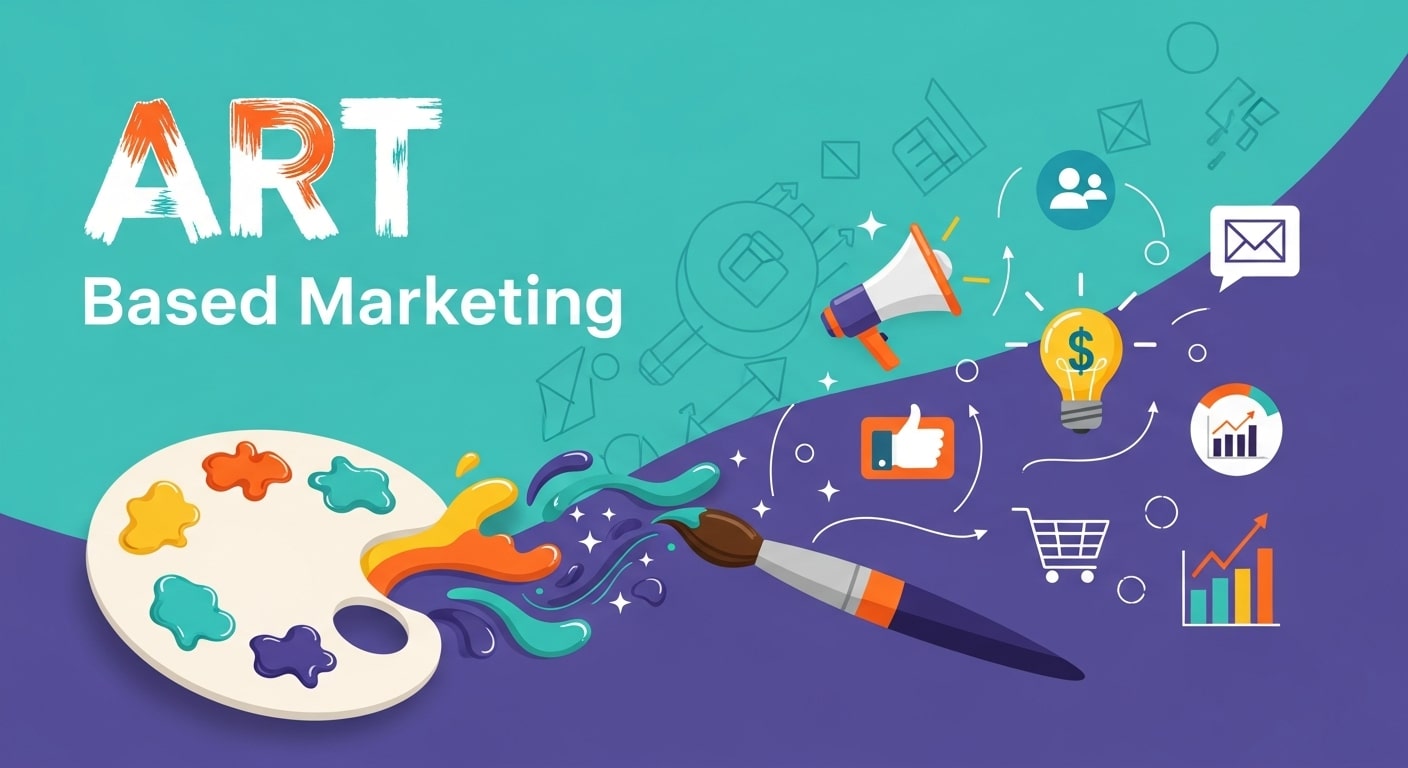
Art based marketing is a strategic approach that integrates artistic expression into marketing efforts to communicate a brand’s message emotionally and creatively. Rather than focusing solely on product promotion, it emphasizes storytelling, cultural relevance, and experiential engagement.
This approach can include:
- Visual arts
- Music and sound design
- Performance and live events
- Literature and storytelling
- Digital and interactive media
Unlike traditional marketing that loudly sells, art based marketing subtly connects—inviting audiences to feel, reflect, and engage.
Art Based Marketing and Brand Storytelling
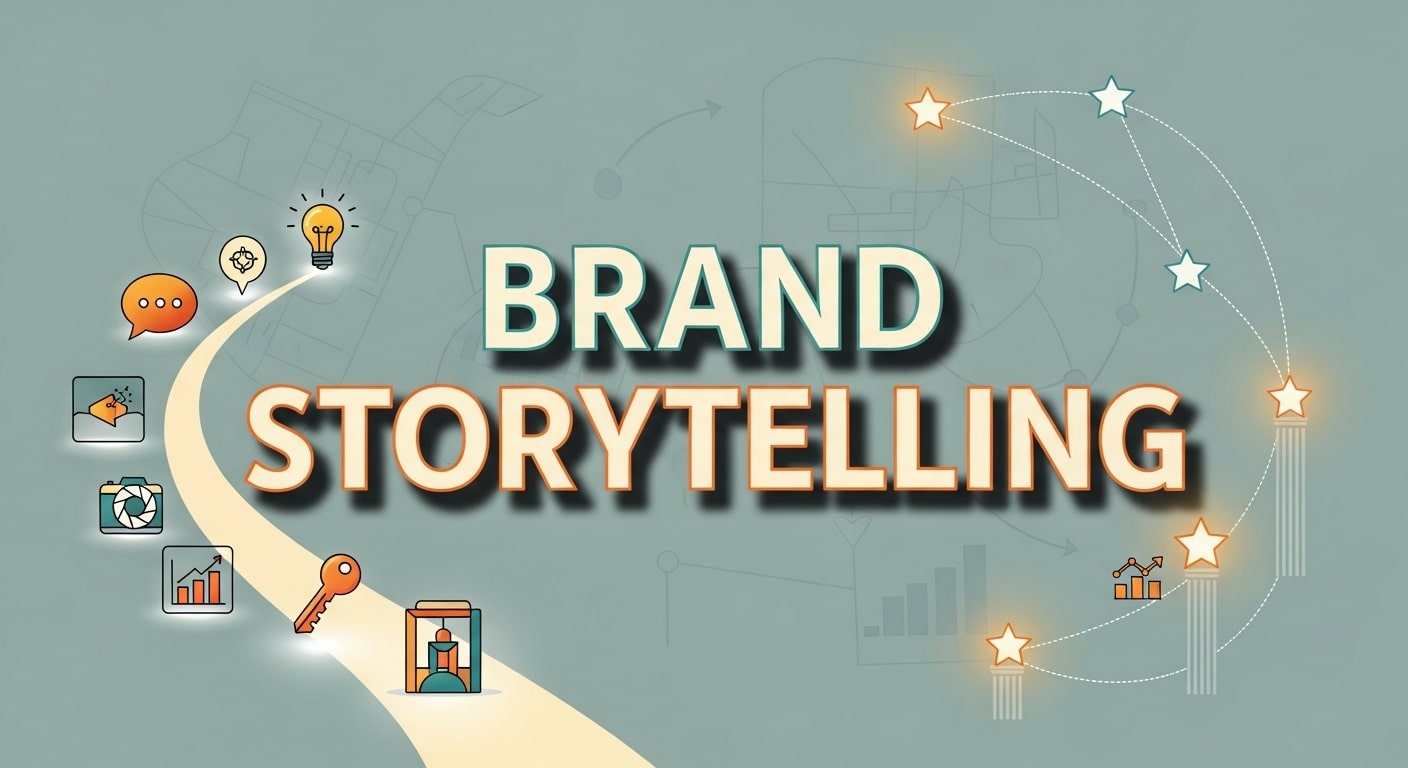
Art Based Marketing plays a powerful role in shaping compelling brand stories. Instead of delivering direct promotional messages, brands use artistic expression to communicate their values, purpose, and identity. Storytelling through art allows audiences to emotionally connect with a brand on a deeper level. Visual art, short films, music, or immersive experiences can transform a brand narrative into something memorable and meaningful. When consumers feel emotionally involved in a story, they are more likely to remember and trust the brand. Art based marketing turns brands into storytellers rather than sellers, helping them create lasting impressions and stronger emotional bonds with their audience over time.
Real-World Examples of Art Based Marketing
Absolut Vodka’s Iconic Bottle Campaign
Absolut Vodka pioneered art based marketing by collaborating with over 350 artists, including Andy Warhol, to reinterpret its iconic bottle. These artistic expressions elevated the brand into a cultural symbol and reinforced its creative identity.
Nike and Street Art
Nike frequently incorporates street art into its marketing campaigns, creating murals that resonate with urban communities. These installations go beyond promotion, fostering belonging and cultural relevance while strengthening brand loyalty.
Spotify Wrapped
Spotify Wrapped is a digital example of art based marketing done brilliantly. By transforming user data into visually engaging, shareable art, Spotify creates personalized storytelling that drives massive organic engagement each year.
Content Marketing Strategies
Content Marketing Strategies refer to the planned methods businesses use to create, distribute, and manage content that attracts and engages their target audience. Instead of focusing on direct promotion, these strategies aim to deliver valuable, relevant, and consistent content that builds trust over time. Effective content marketing strategies include identifying audience needs, selecting the right content formats, and choosing appropriate distribution channels. Blogs, videos, social media posts, and email newsletters are commonly used to support these efforts. When executed correctly, content marketing strategies help increase brand awareness, generate leads, improve customer engagement, and support long-term business growth.
Enhancing Customer Experience Through Art Based Marketing

Customer experience is no longer limited to purchasing a product or service. Art Based Marketing enhances the overall customer journey by offering interactive and emotionally engaging experiences. From live art installations to digital storytelling campaigns, brands can create moments that customers actively participate in. These experiences make consumers feel valued and connected, rather than simply targeted by advertising. A positive, art-driven experience increases satisfaction and encourages repeat engagement. When customers associate a brand with creativity and emotion, they are more likely to develop loyalty. Art based marketing transforms ordinary interactions into memorable experiences that strengthen long-term customer relationships management.
Why Art Based Marketing Is Gaining Popularity
Builds Emotional Connections
Art naturally evokes emotion. Campaigns rooted in creativity help brands connect with consumers on a deeper, more personal level.
Memorable and Authentic
Art based marketing stands out because it feels genuine. Consumers remember experiences that feel human rather than transactional.
Drives Organic Engagement
Visually compelling and emotionally rich campaigns are more likely to be shared, photographed, and talked about—boosting reach without heavy ad spend.
Aligns With Modern Consumer Values
Creativity, purpose, inclusivity, and cultural relevance matter to today’s audiences. Art based marketing aligns seamlessly with these values.
Art Based Marketing as a Tool for Social Media Growth
Art Based Marketing is highly effective for driving organic growth on social media platforms. Creative visuals, artistic videos, and immersive digital content naturally attract attention and encourage sharing. People are more likely to engage with content that is visually appealing and emotionally meaningful. Platforms like Instagram, TikTok, and Pinterest thrive on creative expression, making art based marketing a perfect fit. When users share artistic brand content, it extends reach without heavy advertising costs. Additionally, user-generated content inspired by artistic campaigns further boosts visibility. Art based marketing helps brands stand out in crowded feeds while building authentic online engagement.
Emotional Branding Through Art Based Marketing
Emotional branding focuses on building connections beyond logic and pricing, and Art Based Marketing is one of the most effective ways to achieve this. Art naturally triggers emotions such as joy, nostalgia, inspiration, or empathy. When brands incorporate these emotional elements into their campaigns, they create deeper psychological connections with consumers. This emotional bond often leads to stronger brand recall and long-term loyalty. Customers who feel emotionally connected are more likely to advocate for a brand and remain loyal even in competitive markets. Art based marketing allows brands to communicate feelings rather than features, making their messaging more human and impactful.
Content Marketing Automation
Content Marketing Automation is a strategic approach that uses technology and software to streamline the creation, distribution, and management of content. Instead of handling every task manually, businesses can automate processes such as content scheduling, email campaigns, lead nurturing, and performance tracking. This ensures that the right content reaches the right audience at the right time. Content marketing automation helps maintain consistency across platforms while saving time and resources. It also allows marketers to personalize content based on user behavior and data insights. By improving efficiency and scalability, content marketing automation supports long-term growth and helps brands build stronger, more meaningful relationships with their audience.
How to Create an Effective Art Based Marketing Strategy
1. Define Clear Goals
Identify whether your objective is brand awareness, engagement, or product promotion. Clear goals guide creative direction.
2. Understand Your Audience
Research what artistic styles resonate with your audience. Digital art may appeal to younger demographics, while music or storytelling may resonate with older audiences.
3. Collaborate With Artists
Partner with artists whose creative vision aligns with your brand values to ensure authenticity.
4. Choose the Right Medium
Popular art based marketing formats include:
- Visual Arts: Murals, installations, digital illustrations
- Music: Brand anthems, collaborations, live performances
- Experiences: Pop-ups, interactive exhibits, festivals
5. Tell a Compelling Story
A strong narrative connects the art to your brand’s mission and invites audiences to participate.
6. Amplify Digitally
Encourage user-generated content through hashtags, contests, and social sharing to extend campaign reach.
7. Measure and Optimize
Track KPIs such as engagement, brand recall, website traffic, and conversions to refine future campaigns.
Common Mistakes to Avoid in Art Based Marketing
- Lack of Authenticity: Art should reflect genuine brand values, not trends.
- Ignoring Accessibility: Ensure inclusivity through captions, physical access, and digital usability.
- Limited Interaction: Successful art based marketing invites participation, not passive viewing.
How to Measure Art Based Marketing Success
- Social Media Engagement: Likes, comments, shares
- Website Traffic & Conversions: Campaign-related spikes
- Earned Media Coverage: Organic mentions and press
- Brand Sentiment: Audience perception and emotional response
Elevate Your Brand With Art Based Marketing
Art based marketing empowers brands to create experiences that matter. By blending creativity with strategy, businesses can inspire emotions, foster loyalty, and stand out in an increasingly noisy marketplace.
Whether you’re a startup or a global brand, integrating art into your marketing can redefine how your audience connects with you—turning consumers into lifelong advocates.
Purpose-Driven Branding and Art Based Marketing
Art Based Marketing is especially powerful for purpose-driven brands that want to communicate social, cultural, or environmental values. Artistic campaigns can present complex messages in a relatable and emotionally engaging way. Whether addressing sustainability, diversity, or community impact, art helps brands express their mission authentically. Consumers today prefer brands that stand for something meaningful, and art-based storytelling reinforces credibility and trust. By aligning creativity with purpose, brands can inspire action and build stronger emotional connections. Art based marketing allows purpose-driven brands to connect with socially conscious audiences in a way that feels genuine and impactful.
Long-Term Impact of Art Based Marketing on Brand Value
The long-term impact of Art Based Marketing goes beyond short-term engagement. Over time, consistent art-driven campaigns help build strong brand equity and cultural relevance. Brands that invest in creativity are often perceived as innovative and authentic. These perceptions contribute to higher brand trust and loyalty. Art based marketing also helps brands differentiate themselves in competitive markets by creating a distinct identity. As consumers increasingly value experiences and emotional connections, brands that use art effectively are more likely to maintain relevance. In the long run, art based marketing strengthens brand value and supports sustainable growth.
The Future of Art Based Marketing
Art based marketing will continue to evolve with advancements in AI, augmented reality, and virtual reality. These technologies will enable immersive, personalized storytelling that strengthens emotional engagement even further.
As consumers increasingly value experiences over ads, art based marketing is becoming a long-term strategy—not a trend.
Frequently Asked Questions (FAQs)
What is Art Based Marketing?
Art Based Marketing is a creative marketing approach that integrates artistic expression—such as visual art, music, storytelling, and performances—into brand communication. Its goal is to create emotional connections and memorable experiences rather than focusing solely on direct sales.
How is Art Based Marketing different from traditional marketing?
Unlike traditional marketing, which often prioritizes product features and promotional messaging, art based marketing emphasizes storytelling, emotion, and cultural relevance. It engages audiences subtly and authentically instead of relying on overt sales tactics.
Why is Art Based Marketing effective for modern brands?
Art based marketing is effective because it resonates emotionally with consumers, cuts through advertising clutter, and encourages organic engagement. People are more likely to remember and share creative experiences than conventional advertisements.
What types of businesses can use Art Based Marketing?
Art based marketing can benefit businesses of all sizes and industries, including startups, e-commerce brands, luxury companies, tech firms, and global corporations. Any brand looking to build emotional connections and long-term loyalty can leverage this strategy.
What are some common examples of Art Based Marketing?
Popular examples of art based marketing include brand-sponsored murals, interactive installations, music collaborations, live performances, digital storytelling campaigns, and personalized experiences like Spotify Wrapped.
Does Art Based Marketing work for digital platforms?
Yes, art based marketing works exceptionally well on digital platforms. Formats such as digital art, interactive websites, AR experiences, video storytelling, and social media visuals are highly shareable and drive strong online engagement.
How do you measure the success of Art Based Marketing?
Success can be measured through metrics such as social media engagement, website traffic, conversions, earned media coverage, and brand sentiment. Emotional response and audience interaction are key indicators of effectiveness.
Is Art Based Marketing expensive?
Art based marketing can be scaled to fit different budgets. Collaborating with local artists, using digital art, or launching small experiential campaigns can be cost-effective while still delivering strong impact.
What mistakes should brands avoid in Art Based Marketing?
Brands should avoid inauthentic collaborations, ignoring accessibility, and creating art without audience interaction. Art based marketing must align with brand values and invite participation to be truly effective.
Is Art Based Marketing a long-term strategy?
Yes, art based marketing is a long-term strategy. As consumers increasingly value experiences, creativity, and authenticity, this approach continues to grow in relevance rather than being a passing trend.