
A successful Nostalgia Marketing Campaign combines emotional storytelling, audience insight, and modern technology. By blending nostalgia with innovation and AI-driven planning, brands can build trust, engagement, and long-term relevance.
A Nostalgia Marketing Campaign taps into emotions by reminding audiences of meaningful moments from the past. By blending familiar memories with modern storytelling, brands can build trust, spark engagement, and create lasting connections. When executed strategically, nostalgia-driven campaigns can influence purchasing decisions while keeping your brand culturally relevant in a competitive digital landscape.
What Is a Nostalgia Marketing Campaign?
A Nostalgia Marketing Campaign is a strategy that uses memories, visuals, sounds, or cultural references from the past to evoke emotional responses. Brands often reference childhood experiences, classic designs, old advertisements, or iconic moments to reconnect with audiences. This approach works because nostalgia creates comfort and trust, making consumers more receptive to messaging. When done thoughtfully, a Nostalgia Marketing Campaign bridges the gap between emotional storytelling and modern branding. Today, marketers combine traditional nostalgia elements with digital innovation, ensuring relevance across generations. Businesses that understand emotional triggers can craft campaigns that feel authentic rather than forced, which is critical for long-term brand credibility and customer loyalty.
Why Nostalgia Marketing Campaigns Are So Effective
A Nostalgia Marketing Campaign works because emotions play a powerful role in purchasing decisions. Positive memories are often linked to feelings of happiness, comfort, safety, and personal identity, making nostalgic messages highly persuasive. When audiences experience an emotional connection, they are more likely to engage with content, share it across platforms, and take action. Nostalgia also strengthens trust, particularly during uncertain times, by reminding consumers of familiar and reassuring moments. Modern brands enhance this approach by combining emotional storytelling with data-driven insights to improve targeting. By blending psychology with storytelling, nostalgia-based strategies can outperform traditional promotions, humanize brands, and foster deeper, longer-lasting relationships in competitive digital marketing.
How AI Tools Will Help Develop Marketing Campaigns
Understanding Your Target Audience’s Nostalgic Triggers
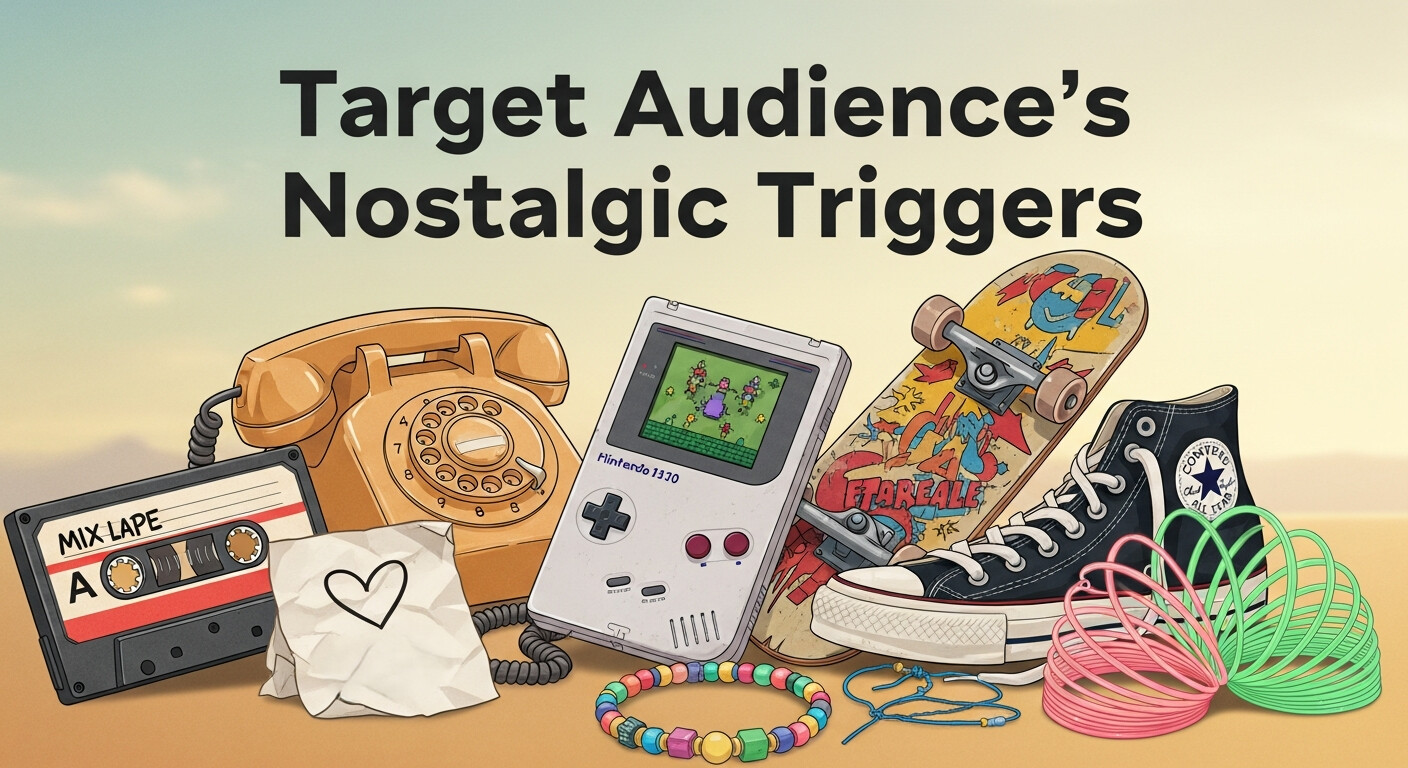
Every successful Nostalgia Marketing Campaign begins with a deep understanding of the target audience. Different generations respond to different memories, cultural moments, and shared experiences, meaning what resonates with Millennials may not connect with Gen Z. Trends alanysis research , media influences, and emotional touchpoints helps brands identify meaningful references. Tools such as surveys, social listening, and data analytics reveal which memories trigger emotional responses. By aligning messaging with these insights, brands maintain authenticity and relevance. A Nostalgia Marketing Campaign should feel personal rather than generic. When marketers respect an audience’s emotional history, campaigns become more relatable, drive stronger engagement, and improve long-term brand recall.
AI Is Transforming Creative Campaign Planning
AI is Transforming Creative Campaign Planning by enabling smarter ideation, testing, and execution. In a Nostalgia Marketing Campaign, AI tools analyze historical trends, past creative assets, and audience sentiment to uncover meaningful emotional patterns. These insights help brands craft stories that resonate more accurately with specific audiences. Predictive analytics allow marketers to estimate campaign performance before launch, reducing risk and improving efficiency. AI also enables content personalization, ensuring nostalgic elements align with individual preferences. As AI is Transforming Creative Campaign Planning, brands can innovate more quickly while maintaining emotional authenticity, creating campaigns that are both engaging and measurable across multiple digital channels.
Blending Nostalgia With Modern Branding
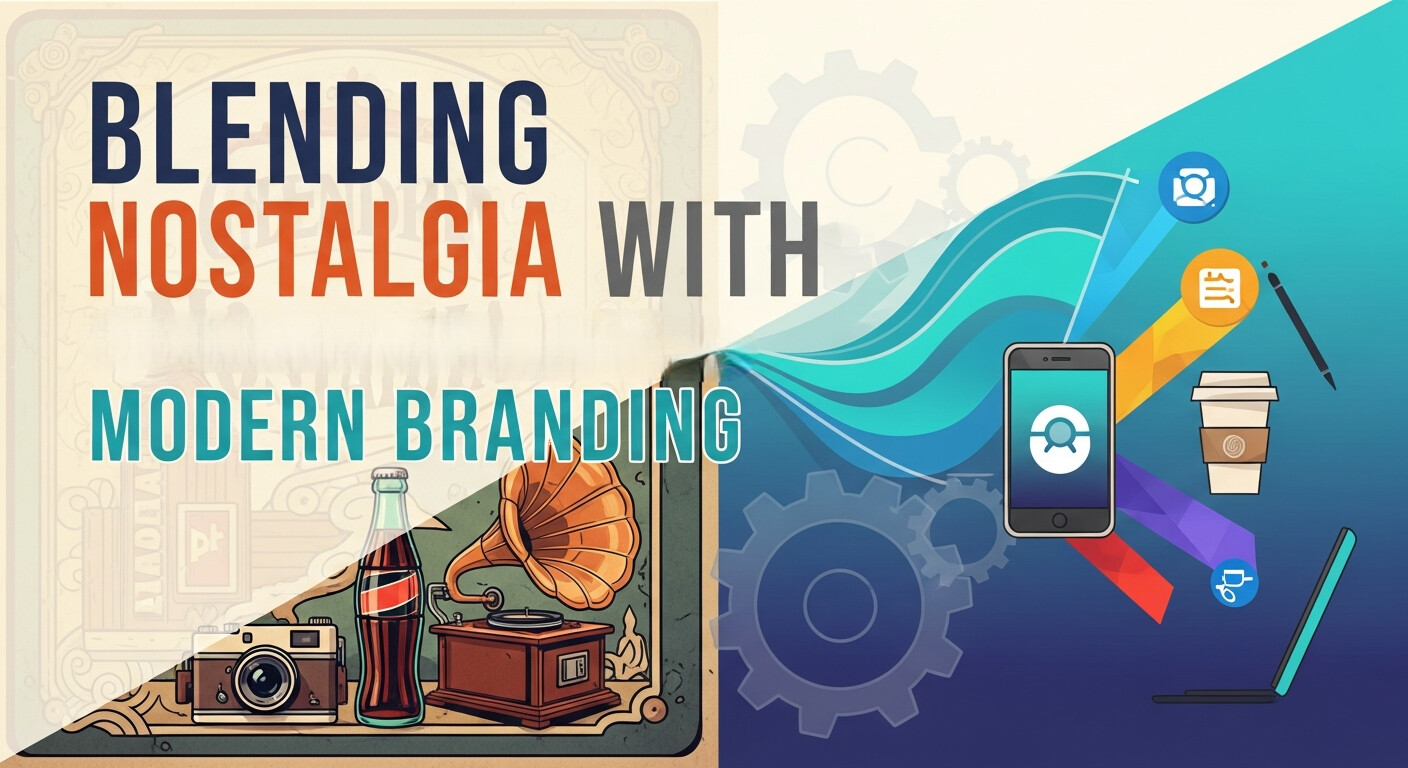
An effective Nostalgia Marketing Campaign successfully balances the past with the present. Simply repeating old ideas can feel outdated, so brands must refresh nostalgic elements with modern creativity. This can include combining retro visuals with contemporary design, updating classic slogans, or using digital platforms to reimagine familiar themes. Innovation ensures the campaign stays relevant while preserving emotional value. When executed thoughtfully, a Nostalgia Marketing Campaign strengthens brand identity and creates connections across generations. It appeals to loyal customers who value familiarity while attracting new audiences through modern storytelling. Ultimately, success comes from evolution rather than imitation, allowing brands to honor the past while staying aligned with current trends.
Best Practices for Long-Term Campaign Sustainability
For long-term success, nostalgia-based strategies must evolve alongside changing audience preferences. Brands should avoid relying on the same memories or references repeatedly and instead refresh emotional themes to stay engaging. Sustainable results come from balancing emotional appeal with innovation, creativity, and data-driven insights. By analyzing performance and audience feedback, marketers can refine their approach over time. This balance ensures campaigns remain relevant, meaningful, and effective while continuing to build strong emotional connections and long-lasting brand value in competitive markets.
Best practices to follow:
- Rotate nostalgic themes periodically
- Combine emotional content with analytics
- Test creative variations before scaling
- Align messaging with current brand values
Strategy Comparison Table:
| Approach | Short-Term Impact | Long-Term Value |
|---|---|---|
| Pure nostalgia | High emotional response | Limited lifespan |
| Modernized nostalgia | Strong engagement | Sustainable growth |
| Data-driven storytelling | Consistent performance | Long-term relevance |
Measuring the Success of a Nostalgia Marketing Campaign
Tracking performance is essential for any Nostalgia Marketing Campaign to understand its true impact. Key metrics such as engagement rates, conversion rates, brand recall, and social shares reveal how audiences emotionally respond to nostalgic messaging. Sentiment analysis provides deeper insight into audience reactions and perceptions. Comparing results with non-nostalgic campaigns helps measure overall effectiveness. Continuous monitoring and optimization allow brands to refine creative elements and targeting strategies over time. A data-driven Nostalgia Marketing Campaign adapts to changing audience preferences, protects return on investment, and ensures emotional storytelling remains aligned with measurable business objectives and long-term marketing goals.
Common Mistakes to Avoid in Nostalgia Marketing
Not every Nostalgia Marketing Campaign delivers positive results. Common mistakes include overusing nostalgic elements, misinterpreting cultural references, or targeting the wrong generation. When nostalgia feels forced, it can appear inauthentic and damage brand trust. Brands should also avoid stereotypes and outdated messaging that no longer align with current values. Success depends on maintaining a balance between emotional appeal and modern innovation. A well-planned Nostalgia Marketing Campaign respects audience memories while reflecting inclusivity and relevance. By avoiding these pitfalls, marketers can create campaigns that feel genuine, emotionally engaging, and impactful while strengthening long-term brand relationships.
Real-World Examples of Nostalgia-Driven Campaigns
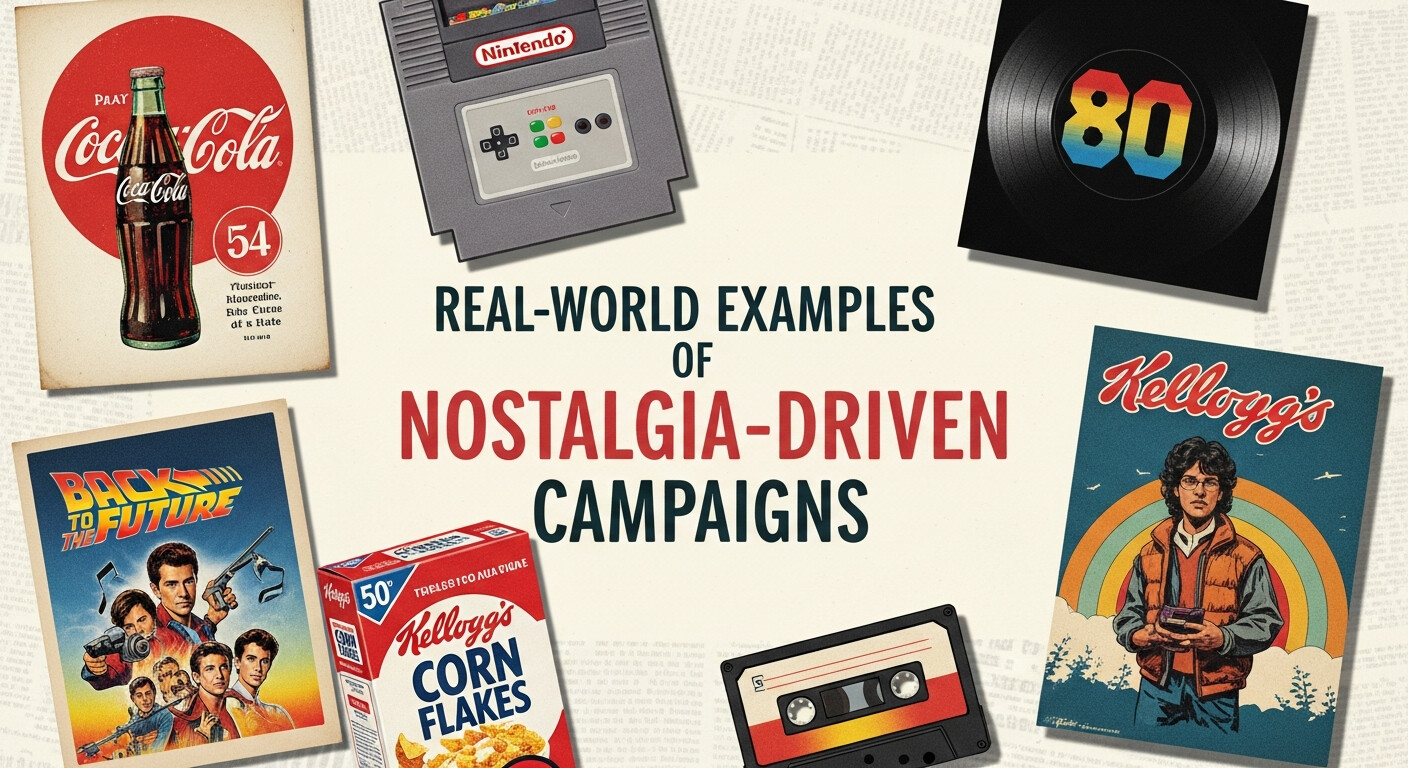
Many brands have successfully used nostalgia to reconnect with audiences by reviving familiar visuals, sounds, and storytelling elements. These campaigns succeed because they combine emotional memories with modern delivery channels such as social media, video, and digital advertising. When executed effectively, nostalgic strategies feel authentic rather than outdated. This approach encourages higher engagement, increases social sharing, and strengthens brand recall across digital platforms. By connecting past experiences with present-day creativity, brands can build meaningful relationships that resonate with both loyal customers and new audiences.
Key characteristics of successful campaigns:
- Use familiar cultural references
- Update classic designs with modern elements
- Focus on emotional storytelling
- Leverage digital and social media platforms
Examples Table:
| Brand Type | Nostalgic Element Used | Modern Execution Method |
|---|---|---|
| Fashion | Retro clothing styles | Social media influencers |
| Food | Old packaging designs | Limited-edition launches |
| Tech | Classic product icons | Digital storytelling ads |
The Future of Nostalgia-Driven Marketing
The future of nostalgia-driven marketing will be shaped by technology, personalization, and evolving audience expectations. Advanced AI tools will help brands identify emotional patterns and predict which memories resonate most with specific segments. As digital experiences become more immersive through AR,VR Influencer Marketing and interactive content, nostalgic elements will feel more engaging and personal. Sustainability, inclusivity, and authenticity will also influence how past themes are presented. Brands that responsibly blend emotional storytelling with data-driven insights will create campaigns that feel timeless rather than outdated, ensuring long-term relevance and deeper emotional connections with modern audiences.
Conclusion
A well-planned nostalgia-driven strategy allows brands to reconnect with audiences on an emotional level while staying relevant in a fast-changing digital environment. By understanding audience memories, blending past influences with modern creativity, and using AI-driven insights, marketers can design campaigns that feel authentic and engaging. Emotional storytelling, thoughtful execution, and continuous performance tracking are essential for long-term success. When used strategically, nostalgia strengthens trust, boosts engagement, and enhances brand recall. Businesses that balance emotion with innovation can create meaningful experiences that resonate across generations and deliver lasting marketing impact.
Frequently Asked Questions
1: What is nostalgia marketing in simple terms?
Nostalgia marketing is a strategy that uses memories, emotions, and familiar experiences from the past to connect with audiences. It helps brands trigger positive feelings that influence trust, engagement, and purchasing decisions.
2: Why do consumers respond emotionally to nostalgic content?
People associate past memories with comfort and happiness. When brands reflect those moments, audiences feel emotionally connected, making them more receptive to messaging, storytelling, and brand values.
3: Which industries benefit most from nostalgia-based strategies?
Entertainment, fashion, food, technology, and education industries benefit the most. However, any brand with a strong history or emotional connection to its audience can effectively use nostalgic elements.
4: Can nostalgia marketing work for younger audiences?
Yes, it can work by referencing childhood memories, early digital experiences, or cultural trends they grew up with. Even recent nostalgia can create emotional connections if it feels authentic and relatable.
5: How can brands modernize nostalgic ideas?
Brands can refresh nostalgic visuals with modern design, use updated language, or combine classic themes with digital platforms like social media, video content, and interactive experiences.
6: Is nostalgia marketing effective in digital campaigns?
Absolutely. Digital platforms amplify emotional storytelling through videos, social media posts, and interactive formats, making nostalgic messages more shareable and engaging across online audiences.
7: How do AI tools support emotional marketing strategies?
AI tools analyze user behavior, preferences, and emotional responses. They help marketers identify which memories resonate most, optimize creative assets, and personalize content for better engagement.
8: Can B2B brands use nostalgic storytelling?
Yes. B2B brands often use industry milestones, legacy achievements, or shared professional experiences to build trust and credibility while humanizing their marketing communication.
9: What platforms are best for nostalgic campaigns?
Social media, email marketing, video platforms, and websites are ideal. These channels allow visual storytelling and emotional engagement, helping brands connect memories with modern consumer behavior.
10: How often should brands use nostalgia in marketing?
Nostalgic themes should be used strategically rather than frequently. Overusing them can reduce emotional impact and authenticity. These themes are most effective when tied to special events, brand anniversaries, cultural moments, or carefully targeted campaigns designed to create meaningful connections.
11: What are common mistakes in nostalgia-based marketing?
Common mistakes include using irrelevant references, targeting the wrong generation, or forcing emotional connections. Authenticity and audience research are essential to avoid negative reactions.
12: How can campaign success be measured effectively?
Success can be measured through engagement rates, sentiment analysis, conversion data, and brand recall. Comparing emotional campaigns with standard promotions also helps evaluate effectiveness.
13: Is nostalgia marketing suitable for long-term branding?
Yes, when balanced with innovation. Emotional storytelling builds long-term brand loyalty, especially when combined with modern values, consistent messaging, and evolving customer expectations.
14: How can brands keep nostalgic campaigns inclusive?
Inclusivity comes from respecting diverse experiences and avoiding stereotypes. Brands should focus on shared emotions rather than narrow references, ensuring campaigns resonate across cultures, ages, and backgrounds.