

Static content like blogs or whitepapers is no longer enough to drive meaningful results in the B2B marketing landscape. Brands are increasingly turning to interactive content to capture attention, boost audience engagement, and create memorable experiences that improve lead generation.
Interactive tools such as calculators, quizzes, interactive infographics, and assessments invite your audience to participate rather than just read. They provide immediate value, showcase your expertise, and make your B2B marketing strategy more impactful. By encouraging interaction, you can educate prospects, address their pain points, and build trust at every stage of the customer journey.
This blog explores 10 interactive content ideas for B2B brands. These strategies are designed to increase engagement, generate qualified leads, and strengthen long-term relationships with your customers, helping your brand stand out in a crowded digital space.
Why Interactive Content is a Must for B2B Brands
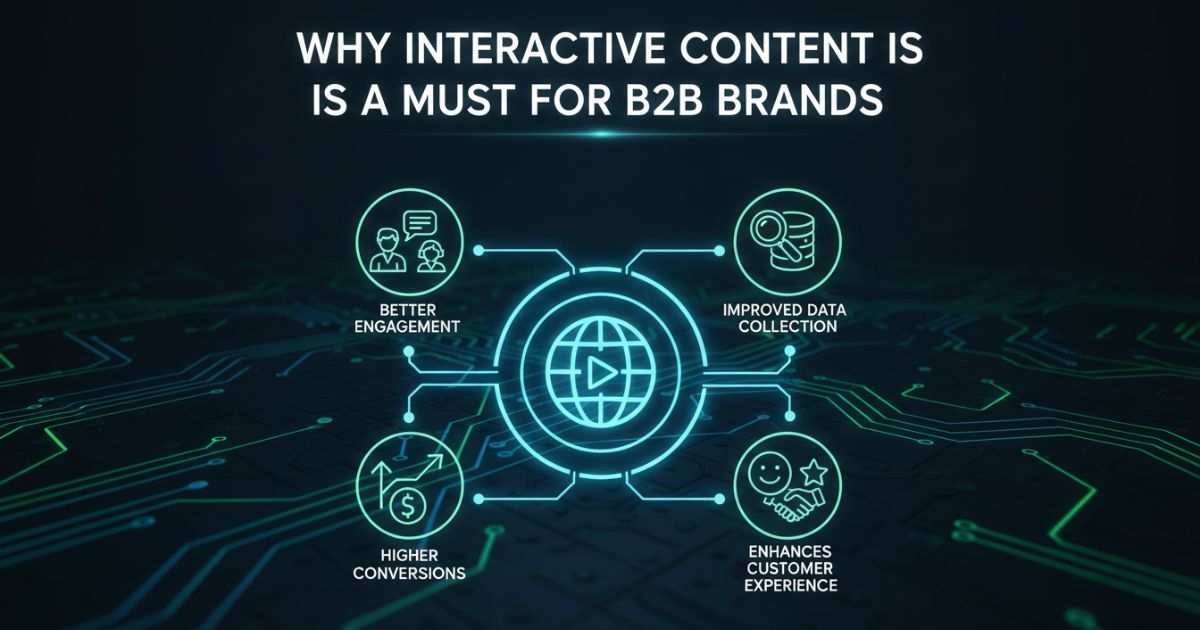
Before we dive into specific ideas, it’s important to understand why interactive content gives B2B brands a significant edge in today’s competitive landscape. Static blogs, whitepapers, or PDFs simply inform. Interactive content engages, educates, and drives action—turning casual visitors into qualified leads.
Better Engagement
Interactive experiences go beyond passive reading. Quizzes, calculators, polls, and interactive infographics invite users to participate, making them active contributors rather than mere spectators. When prospects engage with your content, they’re more likely to retain information, develop trust, and remember your brand when making purchasing decisions. Engaged audiences also spend more time on your website, increasing digital engagement metrics that signal relevance and quality to search engines.
Improved Data Collection
Interactive tools provide a subtle yet powerful way to collect audience insights. By asking questions, tracking choices, or analyzing interactions, your brand can gather actionable data without interrupting the user experience. This information helps refine your B2B marketing strategy, personalize communications, and better understand the pain points and preferences of potential customers—fueling smarter campaigns and stronger lead nurturing efforts.
Higher Conversions
According to research by Demand Metric, interactive content generates double the engagement of static content and converts up to 70% of the time. Engaging prospects through personalized experiences encourages them to take meaningful actions, such as downloading resources, signing up for webinars, or requesting demos. By integrating interactive elements into your content marketing strategy, you create conversion opportunities at every stage of the sales funnel.
Showcases Expertise
Offering interactive insights, tools, or assessments positions your brand as a thought leader in your industry. Instead of simply telling prospects you have the expertise, you demonstrate it in real time. Interactive content allows you to share knowledge, solve problems, and provide tangible value, building trust and credibility with decision-makers in your target audience.
Enhances Customer Experience
Beyond engagement and data, interactive content makes the overall customer experience more memorable and personalized. It encourages exploration, provides instant value, and creates a positive impression that sets your brand apart from competitors. Customers are more likely to return, share, and recommend your content when it’s engaging and meaningful.
With these benefits in mind, it’s clear why interactive content isn’t just a trend—it’s a necessity for B2B brands looking to boost engagement, generate qualified leads, and build long-lasting customer relationships. Now, let’s explore practical interactive content ideas your brand can implement starting today.
10 Inspiring Interactive Content Ideas for B2B Brands
1. Assessment Tools
Assessment tools are one of the simplest yet most effective ways to capture attention and provide tangible value. They help your audience evaluate their current needs, gaps, or readiness, acting as a personalized consultation at scale. By offering actionable insights, these tools increase audience engagement and demonstrate your expertise.
Example:
A SaaS company could offer a “Software Readiness Audit,” where prospects answer a few questions and receive tailored recommendations on tools to scale operations. This type of interactive tool also feeds valuable data into your B2B marketing strategy, improving lead generation efforts.
2. Interactive Calculators
Decision-making in B2B often revolves around ROI, cost savings, or time efficiency. Interactive calculators simplify these decisions by giving prospects clear, quantifiable results, highlighting your product’s tangible value and helping with conversion optimization.
Example:
A marketing automation platform could provide a “Lead ROI Calculator,” allowing prospects to see potential revenue gains compared to their current process. Not only does this improve digital engagement, it also reinforces your content marketing strategy by providing measurable insights.
3. Quizzes
Quizzes may seem lighthearted, but they are a powerful tool in B2B marketing. They engage users, encourage participation, and help segment your audience into personas for follow-up campaigns. This personalization improves both customer experience and lead nurturing outcomes.
Example:
A cybersecurity firm might create a quiz titled, “How Secure Is Your Organization?” Users receive a score along with actionable tips and a subtle product recommendation, increasing interaction and demonstrating your authority as a thought leader.
4. Polls and Surveys
Polls and surveys are excellent for increasing audience engagement while gathering actionable insights. They help you understand industry trends, customer pain points, and preferences, feeding directly into your B2B marketing strategy.
Example:
A LinkedIn poll asking, “What’s your biggest challenge with remote team management?” works perfectly for an HR software brand, providing both engagement and data-driven insights for content planning.
5. Live Webinars with Q&A
Webinars remain a cornerstone of B2B content marketing, but adding interactivity—such as live Q&A sessions, polls, and chat discussions—makes them far more engaging. Attendees feel heard, increasing trust and building stronger relationships with your brand.
Example:
A B2B training provider could host a live session on “Effective Sales Funnels,” allowing attendees to ask questions in real time.
Pro tip: Use engagement tracking tools to capture attendee behavior and optimize lead generation follow-ups. Interactive webinars also enhance customer experience by providing real-time, personalized insights.
6. Interactive Infographics
Static infographics convey information but often fail to maintain attention. Interactive infographics allow users to explore data dynamically—clicking, scrolling, or filtering—making complex information easier to digest and increasing digital engagement.
Example:
A supply chain solutions company might create a “Global Logistics Map,” where users hover over regions to reveal challenges, opportunities, and industry trends. This type of interactive content strengthens your B2B marketing strategy by making insights actionable and memorable.
7. Content Recommendation Engines
Think of it as personalized content marketing. Recommendation engines use AI to suggest relevant resources, keeping users engaged and helping guide them down the sales funnel. This increases time on site, improves audience engagement, and supports conversion optimization.
Example:
A cloud storage provider could recommend articles or whitepapers based on a user’s industry or company size after they complete a short quiz. This approach also enhances the customer experience by making content more relevant and tailored.
8. Gamified Content
Gamification adds a fun and memorable layer to B2B marketing, making content more interactive and improving retention. Badges, challenges, and rewards incentivize participation and increase digital engagement.
Example:
An IT brand might run a “Data Backup Challenge,” where users diagnose fictional IT disasters while learning about the importance of disaster recovery solutions. Gamified experiences also strengthen lead nurturing by keeping prospects engaged over time.
9. Interactive Case Studies
Traditional case studies are informative but often static. Interactive case studies let users explore metrics, toggle strategies, and see outcomes in real time, creating an engaging learning experience and boosting customer experience.
Example:
A digital marketing agency could allow users to interact with campaign metrics to understand how different strategies impacted client growth. This approach demonstrates expertise, drives audience engagement, and strengthens your B2B marketing strategy.
10. Time-Sensitive Challenges
Time-sensitive challenges create urgency and motivate participation. These interactive content experiences encourage action while generating user-generated content and increasing engagement metrics.
Example:
A project management software company could host a “Productivity Week,” where participants track work habits and measure efficiency improvements using the software. This type of campaign not only drives lead generation but also enhances customer experience by providing practical, hands-on value.
How to Ensure Success with Interactive Content
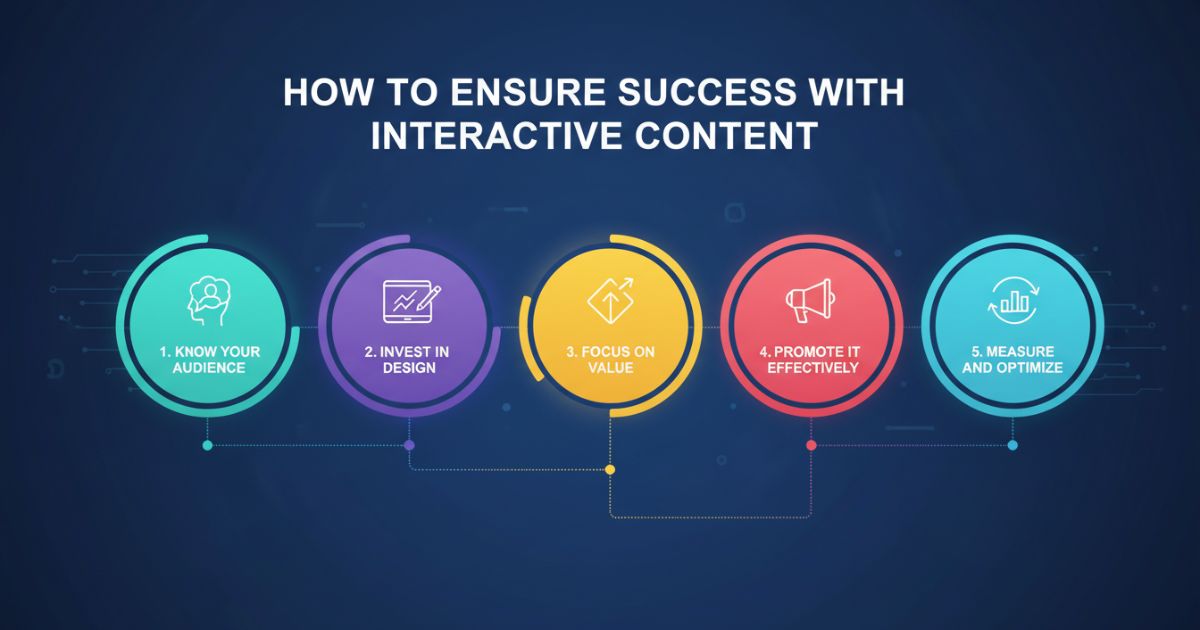
Interactive content can be incredibly powerful, but its impact depends on thoughtful execution. Keep these strategies in mind to maximize results for your B2B marketing strategy, and audience engagement:
Know Your Audience
Customize every piece of interactive content to address the unique challenges, goals, and language of your target audience. Understanding their pain points and preferences ensures your content resonates, increases engagement, and strengthens your customer experience.
Invest in Quality Design
Visual appeal matters. Polished, professional design not only captures attention but also communicates credibility and trust. Well-designed interactive tools, from calculators to infographics, enhance user experience and encourage deeper interaction.
Focus on Value
Every piece of interactive content should provide tangible value. Whether it helps users save time, improve ROI, or solve a pressing problem, they should leave feeling informed, empowered, and more confident in your brand. This focus boosts lead generation and supports conversion optimization.
Promote It Effectively
Even the best interactive content won’t succeed if no one sees it. Promote your tools and resources through targeted email campaigns, social media, and paid advertising. Leveraging multiple channels ensures maximum visibility, drives traffic, and amplifies digital engagement.
5. Measure and Optimize
Track how users interact with your content—time spent, completion rates, and conversions. Use these insights to refine your B2B marketing strategy, improve engagement, and continuously enhance the customer experience.
By combining these best practices, you can ensure your interactive content not only attracts attention but also drives meaningful results across your B2B digital marketing campaigns.
User Generated Content Drives Engagement and Builds Trust
Interactive content isn’t just a passing trend—it’s quickly becoming the future of B2B marketing. By bringing a human touch to digital experiences, it creates meaningful interactions that boost audience engagement, enhance customer experience, and provide measurable insights to continuously improve your content marketing strategy.
Shifting toward engagement-driven strategies sets your brand apart from competitors while building trust and long-lasting relationships with your audience. By allowing prospects to actively participate, answer questions, and explore personalized insights, you position your brand as both helpful and authoritative—a key factor in lead generation and conversion optimization.
Start small. Pick one or two interactive content ideas from this list to implement, measure results, and refine your approach based on feedback and performance. Pair these tools with well-placed calls-to-action to guide users toward meaningful actions and conversions.
To leverage user-generated content at scale, consider integrating webinars, quizzes, interactive assessments, or gamified experiences into your existing B2B marketing strategy. These tools not only drive engagement but also turn insights into actionable data, helping your brand continuously improve and deliver an exceptional customer experience.
FAQs
What is interactive content, and why is it important for B2B marketing?
Interactive content includes tools like quizzes, calculators, assessments, polls, and gamified experiences that encourage active participation. It’s important for B2B marketing because it boosts audience engagement, collects actionable data, improves lead generation, and enhances the overall customer experience.
How can interactive content improve lead generation?
By providing personalized experiences and valuable insights, interactive content engages prospects and encourages them to take meaningful actions, such as signing up for webinars, downloading resources, or requesting demos. This makes it a powerful component of B2B digital marketing campaigns and conversion optimization strategies.
What types of interactive content work best for B2B brands?
Some of the most effective formats include: assessment tools, interactive calculators, quizzes, polls and surveys, live webinars with Q&A, interactive infographics, gamified content, content recommendation engines, interactive case studies, and time-sensitive challenges. Choosing the right type depends on your audience, goals, and B2B marketing strategy.
How do I ensure my interactive content is successful?
Success depends on execution. Key practices include understanding your audience, investing in quality design, focusing on value, promoting content effectively through email, social media, and paid ads, and measuring user engagement. Using these steps ensures your content drives meaningful results across B2B digital marketing campaigns.
Can interactive content help build trust with customers?
Absolutely. Interactive content demonstrates your expertise, provides tangible value, and creates a human-centered digital experience. By actively engaging prospects and delivering personalized insights, you build credibility, strengthen relationships, and enhance long-term customer loyalty.