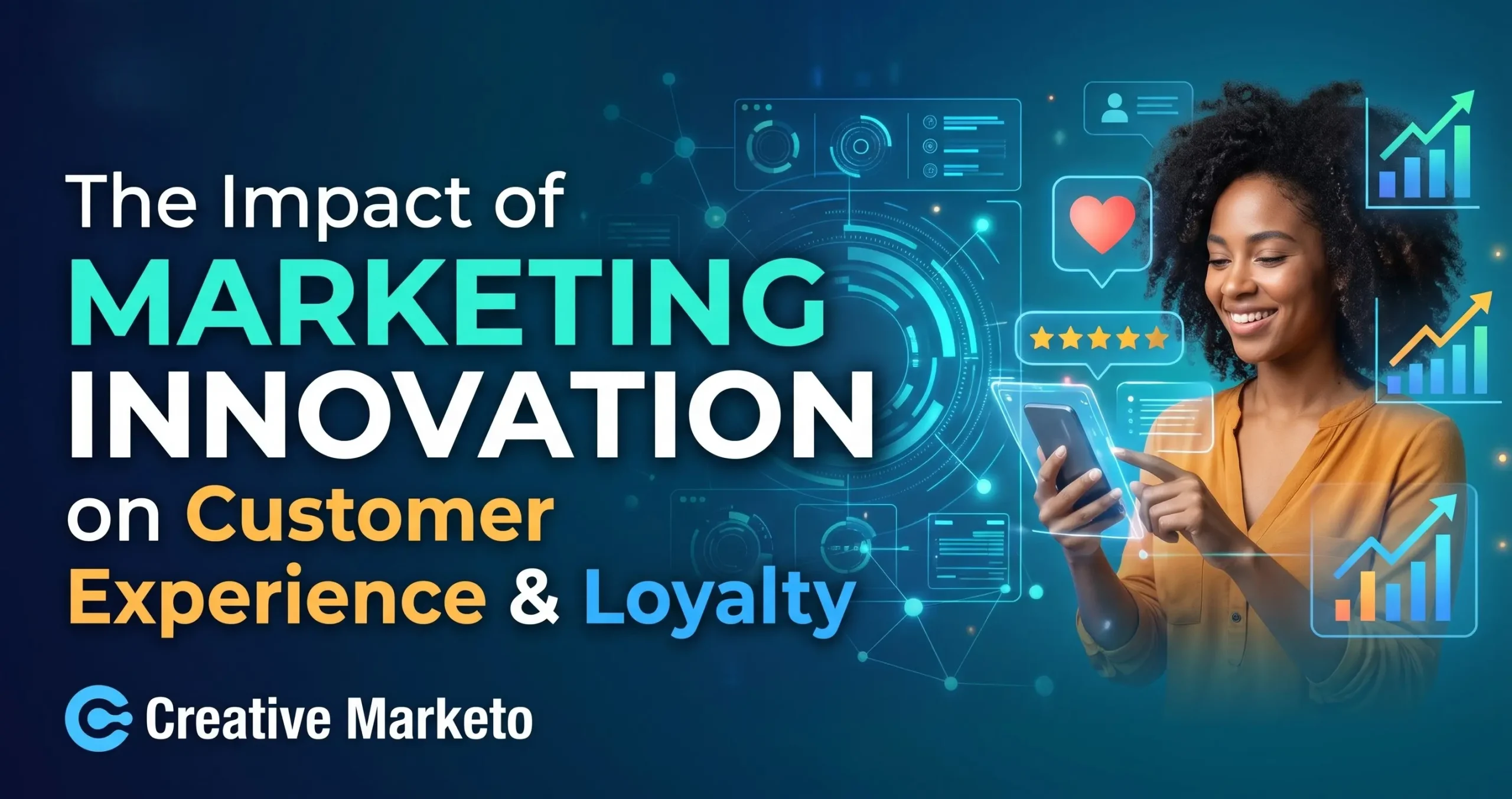
Modern customers expect more than quality products and competitive prices. They want personalized experiences, meaningful interactions, convenient services, and memorable connections with brands. Businesses that continuously improve their marketing approaches can create stronger customer relationships and maintain a competitive advantage. Marketing Innovation plays an important role in meeting these expectations by introducing creative strategies, modern technologies, and customer-focused experiences that improve how people interact with businesses.
From personalized digital campaigns to interactive brand experiences, innovative marketing approaches help companies understand customer preferences and deliver relevant messages. Strategies such as Guerrilla Marketing and Experiential Marketing also allow brands to create memorable interactions that encourage customer participation. By exploring Innovative Marketing Ideas, businesses can improve customer satisfaction, strengthen brand recognition, and develop long-term loyalty. Understanding the impact of marketing innovation is therefore essential for companies that want to build lasting relationships with their audiences.
Understanding the Role of Marketing Innovation in Customer Experience
Marketing innovation involves introducing new ideas, technologies, communication methods, and promotional strategies to improve marketing performance. It helps businesses move beyond traditional advertising and focus on creating meaningful customer experiences. By understanding changing expectations, companies can develop strategies that make interactions more relevant, convenient, and valuable.
Creating Customer-Centered Marketing Strategies
Customer-centered marketing focuses on understanding what customers need and developing experiences around those expectations. Businesses can use surveys, customer feedback, purchasing behavior, and digital analytics to identify preferences.
This information helps marketers create relevant campaigns and improve communication across different channels. When customers receive information that matches their interests, they are more likely to engage with a brand and develop positive impressions.
Improving Customer Interaction
Modern marketing innovation encourages two-way communication between businesses and customers. Social media conversations, interactive content, live sessions, and personalized email campaigns provide opportunities for meaningful engagement.
These interactions allow customers to share opinions, ask questions, and receive helpful information. Businesses can use these conversations to understand customer concerns and improve their services.
How Personalized Marketing Improves Customer Satisfaction
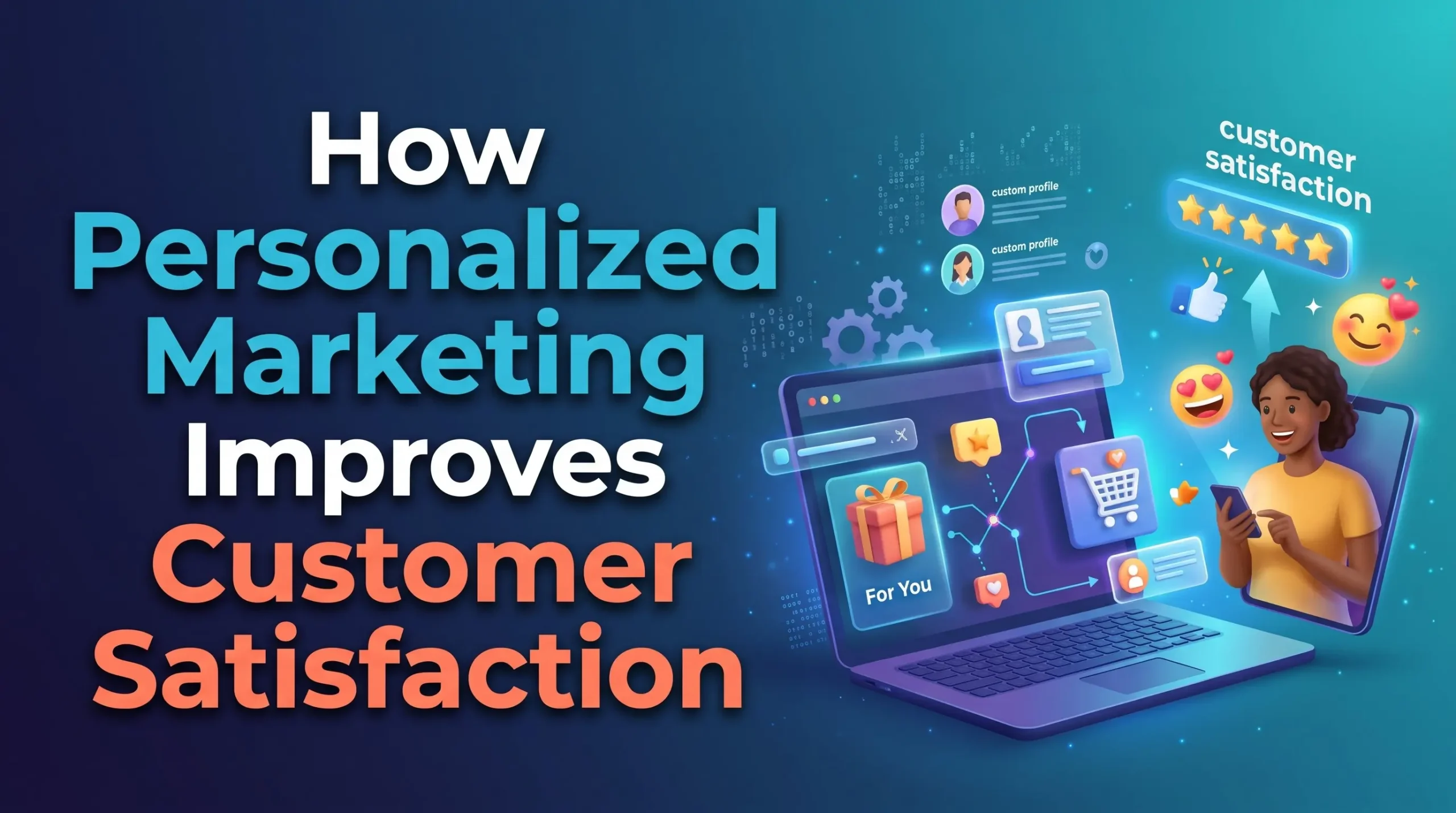 Personalization is an important part of modern marketing innovation because customers increasingly expect relevant recommendations and communication. Instead of delivering identical messages to everyone, businesses can use customer information to create experiences based on individual preferences and interests.
Delivering Relevant Product Recommendations
Businesses can analyze browsing patterns, previous purchases, and customer interests to recommend relevant products or services. Ecommerce platforms frequently use recommendation systems to suggest items based on customer activity.
Relevant recommendations reduce the time customers spend searching for suitable products. They also make shopping experiences more convenient and encourage customers to explore additional offerings.
Building Stronger Customer Relationships
Personalized communication helps businesses make customers feel recognized and valued. Personalized emails, loyalty rewards, product suggestions, and customized offers can improve the overall customer experience.
When businesses consistently provide relevant information, customers may become more comfortable interacting with the brand. This familiarity can contribute to stronger relationships and repeat purchasing behavior.
Using Guerrilla Marketing to Create Memorable Brand Experiences
Guerrilla Marketing is a creative promotional approach that uses unexpected, attention-grabbing activities to connect with audiences. Instead of depending entirely on traditional advertising, businesses create memorable experiences that encourage people to notice, discuss, and share their brand interactions. This strategy can make marketing more engaging and distinctive.
Creating Unexpected Promotional Activities
Unexpected promotional experiences can capture attention because they introduce something different from ordinary advertising. Businesses may use creative street installations, interactive displays, public demonstrations, or imaginative brand activations.
For example, a coffee brand could create an interactive outdoor installation that allows visitors to experience a new product. Such activities encourage participation while making the brand more recognizable.
Encouraging Social Sharing and Brand Awareness
Creative campaigns often attract attention beyond their original locations. Customers may photograph unusual brand installations, share videos, or discuss their experiences on social media.
This organic sharing can expand campaign visibility and introduce businesses to new audiences. However, successful guerrilla campaigns should remain relevant to the brand and respect public spaces, local regulations, and audience expectations.
Strengthening Customer Loyalty Through Experiential Marketing
Experiential Marketing focuses on creating direct and memorable experiences that allow customers to interact with a brand. Rather than simply telling people about products or services, businesses give audiences opportunities to experience their value. These meaningful interactions can improve emotional connections and encourage long-term loyalty.
Creating Interactive Brand Experiences
Interactive experiences allow customers to explore products and services in practical ways. Product demonstrations, virtual experiences, workshops, brand events, and interactive exhibitions can make marketing more engaging.
For example, a technology company may organize an event where visitors can test new devices and explore their features. Direct interaction helps customers understand product benefits and develop greater confidence in purchasing decisions.
Building Emotional Connections With Customers
Memorable experiences can create positive emotional associations with a brand. Customers who enjoy an event, receive helpful demonstrations, or participate in an engaging activity may develop stronger connections with the business.
These emotional connections can influence future purchasing decisions and increase the likelihood of recommendations. Consistent positive experiences also help businesses develop a recognizable brand identity.
Implementing Innovative Marketing Ideas Across Digital Channels
 Digital platforms provide businesses with opportunities to introduce creative promotional activities and improve customer engagement. Innovative Marketing Ideas can help brands communicate more effectively through social media, websites, email marketing, and interactive digital content. Choosing suitable channels ensures that marketing experiences remain relevant to audience preferences.
Using Interactive Social Media Content
Interactive social media content encourages audiences to participate instead of passively viewing advertisements. Polls, quizzes, challenges, short videos, live sessions, and user-generated content can increase engagement.
Businesses can use these formats to understand customer interests and encourage conversations around their products. Consistent interaction also helps brands maintain visibility and develop stronger online communities.
Improving Website Experiences
A business website is often one of the first places where potential customers interact with a brand. Innovative website features such as personalized recommendations, interactive product demonstrations, intelligent search, and conversational chatbots can improve navigation.
A simple and responsive website experience reduces customer frustration and makes it easier to find relevant information. These improvements can support customer satisfaction and increase conversion opportunities.
The Role of Technology in Modern Marketing Innovation
Technology has changed how businesses understand customers, distribute content, and manage marketing activities. Artificial intelligence, automation, data analytics, and augmented reality provide new opportunities to improve customer experiences. When implemented strategically, these technologies help businesses deliver more efficient and relevant marketing interactions.
Using Artificial Intelligence for Better Customer Experiences
Artificial intelligence can analyze customer behavior, support personalized recommendations, and improve marketing communication. AI-powered chatbots can answer common questions, provide product information, and guide visitors through purchasing processes.
Businesses can also use AI tools to analyze marketing performance and identify customer interests. However, organizations should maintain transparency and protect customer information when using automated technologies.
Improving Customer Engagement Through Automation
Marketing automation allows businesses to communicate with customers at appropriate stages of their journey. Automated welcome emails, abandoned-cart reminders, follow-up messages, and personalized notifications can maintain consistent engagement.
These systems help businesses respond to customer actions without requiring every communication to be managed manually. Proper automation improves efficiency while allowing marketing teams to focus on more strategic activities.
Using Customer Feedback to Improve Marketing Strategies
Customer feedback provides valuable information about how people perceive a brand and interact with its products or services. Businesses that actively collect and evaluate feedback can identify weaknesses, understand customer expectations, and introduce meaningful improvements. This process makes marketing innovation more customer-focused and effective.
Collecting Customer Opinions and Suggestions
Businesses can collect feedback through online surveys, social media comments, customer interviews, website forms, and product reviews. These communication channels help customers express their experiences and expectations.
Regular feedback collection allows companies to identify recurring problems and understand which aspects of their services customers appreciate most. It also demonstrates that the business values customer opinions.
Turning Feedback Into Better Experiences
Collecting feedback is only useful when businesses take action based on the information received. Companies should evaluate customer concerns and make practical improvements to their products, services, and communication methods.
For example, if customers frequently report difficulties with website navigation, businesses can simplify the interface and improve the purchasing process. Responding to feedback helps build trust and encourages continued engagement.
Measuring the Impact of Marketing Innovation on Customer Loyalty
 Businesses need measurable indicators to understand whether innovative marketing strategies are improving customer experiences and loyalty. Evaluating campaign performance helps organizations identify successful activities and determine where improvements are necessary. Data-driven measurement also supports better marketing decisions.
Tracking Customer Satisfaction and Engagement
Customer satisfaction surveys, social media engagement, website interactions, and customer reviews provide insights into audience experiences.
Businesses can monitor how customers respond to new campaigns and whether interactive experiences improve engagement. These indicators help marketers understand the effectiveness of different marketing approaches.
Evaluating Customer Retention and Repeat Purchases
Customer retention measures how effectively a business maintains relationships with existing customers over time. Repeat purchase rates, customer lifetime value, and loyalty program participation can reveal whether marketing activities encourage continued relationships.
When these indicators improve, businesses may be developing more valuable customer connections. However, marketers should evaluate multiple metrics together rather than depending on a single performance indicator.
Overcoming Challenges in Marketing Innovation
Although marketing innovation offers valuable opportunities, businesses may encounter challenges when introducing new strategies. Limited budgets, technology requirements, changing customer expectations, and implementation difficulties can affect campaign performance. Understanding these challenges helps companies develop practical approaches to innovation.
Managing Marketing Costs and Resources
Some innovative campaigns require specialized technology, creative production, or event management. Small businesses may find these investments difficult to manage without proper planning.
Companies should identify their marketing objectives, prioritize activities, and evaluate expected outcomes before investing. Starting with smaller experiments can help businesses test ideas and understand their effectiveness before expanding campaigns.
Maintaining Consistency and Customer Trust
Innovative marketing should remain consistent with brand values and customer expectations. Campaigns that appear misleading, intrusive, or irrelevant can damage customer relationships.
Businesses should communicate transparently, protect customer data, and ensure that promotional activities provide genuine value. Consistency between marketing promises and actual customer experiences is essential for maintaining trust.
The Future of Marketing Innovation and Customer Loyalty
The future of marketing innovation will continue to focus on personalization, interactive experiences, intelligent technologies, and customer-centered communication. Businesses that understand these developments can create more meaningful interactions and respond effectively to changing expectations. Long-term success will depend on combining creativity with responsible marketing practices.
Embracing Immersive and Interactive Technologies
Augmented reality, virtual reality, and interactive digital environments are creating new ways for customers to explore products and services. These technologies can help shoppers visualize products, experience virtual demonstrations, and make more informed purchasing decisions.
As these experiences become more accessible, businesses may find additional opportunities to improve engagement and differentiate their brands.
Prioritizing Long-Term Customer Relationships
Future marketing strategies will increasingly focus on delivering consistent value rather than generating short-term attention. Businesses will need to understand customer needs, maintain transparent communication, and provide reliable experiences across different channels.
Brands that continuously improve their marketing approaches while respecting customer expectations can strengthen loyalty and build sustainable business relationships.
Conclusion
Marketing innovation has a significant impact on customer experience and long-term brand loyalty. By introducing creative strategies, personalized communication, interactive experiences, and modern technologies, businesses can develop stronger connections with their audiences. Approaches such as Guerrilla Marketing and Experiential Marketing help brands create memorable interactions, while Innovative Marketing Ideas provide opportunities to improve engagement across digital and physical channels.
However, successful innovation requires more than adopting new trends. Businesses must understand customer expectations, collect feedback, measure campaign performance, and maintain consistent service quality. Companies that combine creativity with customer-focused strategies can improve satisfaction, strengthen trust, encourage repeat purchases, and establish lasting customer relationships.
Frequently Asked Questions (FAQs)
1. What is marketing innovation?
Marketing innovation involves introducing new strategies, technologies, communication methods, and promotional ideas to improve how businesses attract, engage, and retain customers. It focuses on creating better marketing experiences and delivering greater value to audiences.
2. How does marketing innovation improve customer experience?
Marketing innovation improves customer experience through personalized communication, interactive campaigns, convenient digital services, and relevant product recommendations. These approaches help customers interact with brands more easily and receive information that matches their needs.
3. What is the relationship between marketing innovation and customer loyalty?
Marketing innovation helps businesses create meaningful customer interactions and improve satisfaction. When customers consistently receive valuable experiences, they may develop stronger trust, purchase more frequently, and maintain long-term relationships with the brand.
4. What is guerrilla marketing?
Guerrilla Marketing is a creative advertising strategy that uses unexpected and unconventional promotional activities to capture audience attention. It often focuses on memorable experiences, public interactions, and organic social media sharing.
5. What is experiential marketing?
Experiential Marketing is a promotional approach that allows customers to interact directly with a brand through events, demonstrations, workshops, and interactive activities. It focuses on creating memorable experiences and emotional connections.
6. What are some effective innovative marketing ideas?
Effective Innovative Marketing Ideas include interactive social media campaigns, personalized email marketing, augmented reality experiences, product demonstrations, user-generated content, creative brand events, and AI-powered customer support.
7. How does technology support marketing innovation?
Technology supports marketing innovation through artificial intelligence, automation, customer analytics, chatbots, and immersive digital experiences. These tools help businesses understand customer behavior and deliver more relevant marketing communication.
8. How can small businesses implement marketing innovation?
Small businesses can begin by experimenting with affordable social media campaigns, personalized communication, customer feedback programs, and creative promotional activities. Testing smaller campaigns helps identify effective strategies without requiring significant investment.
9. How can businesses measure the success of marketing innovation?
Businesses can measure success through customer satisfaction, engagement rates, repeat purchases, customer retention, conversion rates, and customer lifetime value. Comparing these metrics over time helps evaluate marketing effectiveness.
10. Why is customer feedback important for marketing innovation?
Customer feedback helps businesses understand audience expectations, identify service problems, and discover opportunities for improvement. Using feedback to develop better marketing strategies can increase customer satisfaction and strengthen brand loyalty.