

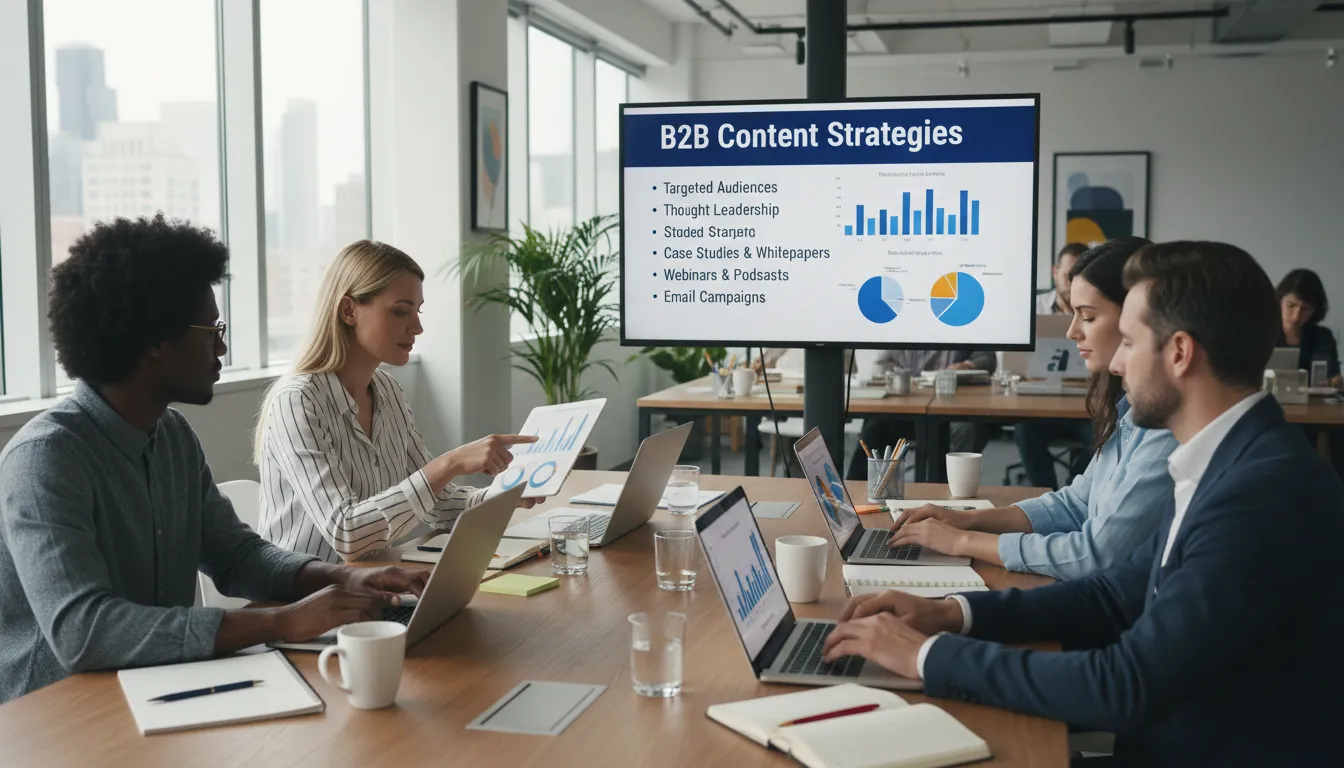
Struggling to engage school administrators? Wondering What Is B2B Content Marketing? It is the exact methodology required to sell focus-driven educational tools to busy academic buyers effectively.
This comprehensive guide explains how targeted business-to-business content transforms the educational sector. You will explore actionable frameworks, understand exactly what is b2b content marketing strategy, and learn how to position your focus-enhancing software as the ultimate solution for modern classrooms.
Selling to educational institutions requires a completely different approach than selling directly to consumers. Business-to-business content marketing involves creating and distributing highly valuable, relevant, and consistent material to attract a clearly defined audience of organizational decision-makers. In the education sector, this audience includes superintendents, principals, IT directors, and curriculum coordinators. These professionals do not make impulsive purchases. They require extensive data, proven results, and a clear understanding of how a product will improve their specific learning environment.
When marketing tools that promote calm and focus, your content must reflect those exact qualities. An overloaded, flashy marketing campaign will repel an educator looking to reduce classroom anxiety. Instead, your materials should be structured, highly informative, and easy to digest. By offering solutions to their most pressing administrative and instructional challenges, you position your brand as a trusted partner rather than just another vendor.
Why Calm and Focus Matter in Educational Sales

Modern classrooms face unprecedented levels of digital distraction. Teachers and administrators actively seek out platforms that block out noise, streamline grading, and help students concentrate. Your marketing materials must demonstrate how your product achieves these goals.
If you sell a digital wellness application for student tablets, your content should address the cognitive load students experience. Provide research-backed insights on attention spans. By educating your buyers on the psychology of learning, you prove your expertise. This educational approach to selling builds deep trust, which is the foundation of all successful institutional partnerships. For further insights on building trust, you can explore educational marketing metrics to track engagement.
Building the Foundation: what is b2b content marketing strategy in Education?
Many companies create blog posts and videos without a cohesive plan. A true what is b2b content marketing strategy dictates exactly who you are targeting, what problems you are solving, and how you will measure success. It is the architectural blueprint for your entire revenue engine.
Without a strategy, you risk creating disjointed content that fails to move prospects through the sales funnel. A strong strategy aligns your marketing efforts with your sales goals. It ensures that every white paper, case study, and webinar serves a specific purpose, whether that is generating new leads, nurturing existing prospects, or closing high-value district contracts.
Step-by-Step Strategic Development
To build a high-converting strategy, you must follow a deliberate, phased approach. Skipping these steps leads to wasted budgets and ignored campaigns.
- Define Your Buyer Personas: Identify exactly who signs the checks. An IT director cares about security and integration. A principal cares about student outcomes and teacher satisfaction. You must create specific content for each persona.
- Map the Buyer’s Journey: B2B purchasing cycles in education can take six to twelve months. Map out top-of-funnel content (awareness), middle-of-funnel content (consideration), and bottom-of-funnel content (decision).
- Conduct a Content Audit: Review your existing materials. Identify gaps where your target audience might have unanswered questions.
- Establish Key Performance Indicators (KPIs): Determine how you will measure success. Track metrics like organic traffic, lead capture rates, and cost per acquisition.
- Determine Distribution Channels: Decide where your audience consumes information. This might include LinkedIn, specialized educational forums, or direct email newsletters.
Aligning Content with Educator Needs
Educators are fundamentally driven by pedagogy. Your content must speak their language. Avoid overly corporate jargon. Instead, use terms familiar to the classroom, such as differentiated instruction, social-emotional learning (SEL), and formative assessment. When your marketing materials reflect a deep understanding of educational theory, administrators immediately view your brand as an authority. Integrating mindful classroom strategies into your content demonstrates that your company values the same outcomes as the educators you serve.
Actionable Strategies to Promote Calm Learning Environments

To capture the attention of district leaders, you must produce high-authority assets. These assets serve as the heavy lifting mechanisms of your marketing campaigns. They require significant investment to create, but they yield massive returns by generating qualified leads over long periods.
Creating Data-Driven White Papers
White papers are the gold standard for B2B lead generation. A well-researched white paper explores a systemic problem and presents a logical, data-backed solution. If your software promotes student focus, write a white paper titled “The Impact of Digital Distraction on Standardized Test Scores.”
Structure the white paper logically. Begin with an executive summary. Define the problem using statistics from credible sources like the Pew Research Center or the National Center for Education Statistics. Present your methodology, and finally, introduce your product as the natural solution. Gate this content behind a form on your website so you can collect email addresses for future nurturing.
Leveraging Case Studies from Real Classrooms
Nothing sells a B2B product faster than social proof. Decision-makers want to know that your product works in environments exactly like theirs. Case studies provide this reassurance.
A strong case study follows a strict “Problem, Solution, Results” format.
- The Problem: Describe a specific school struggling with high classroom disruption and low student engagement.
- The Solution: Explain how the school implemented your focus-enhancing software. Describe the onboarding process and teacher training.
- The Results: Share hard numbers. Did disciplinary referrals drop by 30%? Did reading comprehension scores rise? Include direct quotes from teachers and administrators.
These success stories form the backbone of your bottom-of-funnel marketing efforts.
Structuring Your Educational B2B Campaigns
Creating the content is only half the battle. You must distribute it effectively. B2B campaigns require a multi-channel approach to ensure your message reaches decision-makers wherever they spend their time.
The Role of Webinars and Virtual Demos
Webinars represent a massive opportunity in educational marketing. They allow you to demonstrate your expertise live while interacting directly with potential buyers. Host a panel discussion featuring educational experts discussing the importance of cognitive focus.
During the webinar, share actionable advice that attendees can use immediately, regardless of whether they buy your product. At the end, offer a brief, non-intrusive demonstration of your software. This provides immense value upfront while naturally guiding interested parties toward a purchasing decision. Ensure you record all webinars so they can be repurposed as on-demand lead magnets.
Email Sequences that Nurture Trust
Once an administrator downloads a white paper or registers for a webinar, they enter your email funnel. B2B email marketing must be respectful, highly relevant, and focused on relationship building.
Design a five-part automated sequence.
- Delivery: Send the requested asset immediately with a warm welcome.
- Value Add: Two days later, send a related blog post or actionable tip.
- Social Proof: Send a case study highlighting a successful school district.
- Soft Pitch: Invite them to a live demonstration or offer a free trial.
- Direct Ask: Send a clear, concise email asking to schedule a quick discovery call.
Optimizing your B2B email sequences ensures that you stay top-of-mind without becoming an annoyance.
Comparison Table: Top Formats for EdTech Marketing
Choosing the right format for your message optimizes your conversion rates. Use this comparison table to align your content types with your specific campaign goals.
|
Content Format |
Primary Funnel Stage |
Best Used For |
Lead Generation Potential |
|---|---|---|---|
|
Blog Posts |
Top of Funnel (Awareness) |
SEO ranking, answering common questions, building initial traffic. |
Low (Used to drive traffic to gated assets) |
|
White Papers |
Middle of Funnel (Consideration) |
Exploring complex industry problems, showcasing deep expertise. |
High (Excellent for gating behind email forms) |
|
Case Studies |
Bottom of Funnel (Decision) |
Providing social proof, demonstrating ROI, overcoming objections. |
Medium (Often used to close existing leads) |
|
Webinars |
Middle to Bottom of Funnel |
Interactive demonstrations, expert panel discussions, live Q&A. |
High (Captures highly engaged, high-intent prospects) |
|
Email Newsletters |
Retention / Nurturing |
Keeping your brand top-of-mind, sharing product updates. |
Medium (Nurtures cold leads into warm prospects) |
Expert Insights and Pro Tips for B2B Education Marketers

To truly dominate the educational market, you must elevate your tactics beyond basic blog writing. The most successful EdTech companies employ advanced strategies to maximize their reach and authority.
Focus on Semantic SEO
Search engines have evolved. They no longer look for exact keyword matches; they look for topical authority. When writing about digital focus in classrooms, use naturally related terms like cognitive development, screen time management, instructional design, and student engagement metrics. This semantic richness signals to search engines that your content is comprehensive and authoritative.
Repurpose Everything
Creating high-quality B2B content is expensive and time-consuming. Maximize your investment through strategic repurposing. If you host a one-hour webinar, do not let that recording sit idle.
- Transcribe the audio and turn it into an ultimate guide blog post.
- Extract the audio to create a podcast episode.
- Cut two-minute video highlights for LinkedIn and Twitter.
- Pull key statistics to design an infographic.
This approach ensures that a single piece of core content fuels your marketing engine for weeks.
Collaborate with Educational Influencers
Partner with respected voices in the education space. Invite a well-known principal or a prominent educational psychologist to co-author a report or speak on your webinar. Their endorsement lends instant credibility to your brand and exposes your content to their established audience. This tactic is highly effective for accelerating brand awareness in niche markets.
Common Mistakes to Avoid in Educational B2B Content
Even well-intentioned marketing campaigns can fail if they fall into common traps. Avoid these critical errors to protect your brand reputation and your marketing budget.
Being Overly Promotional Too Early
Educators are highly skeptical of aggressive sales tactics. If a prospect downloads a top-of-funnel checklist about organizing lesson plans, do not immediately call them demanding a software demonstration. You must respect the buyer’s journey. Provide value first, build trust second, and pitch third.
Ignoring the Implementation Process
Many companies focus entirely on the features of their software and ignore the reality of school implementation. Administrators worry about how much time it will take to train teachers. Your content must address these operational fears. Write extensively about your customer success team, your onboarding process, and your ongoing technical support. Reassure buyers that partnering with you will not create more work for their already stressed staff.
Failing to Measure Content ROI
If you cannot prove that your content generates revenue, you will lose your marketing budget. Stop focusing purely on vanity metrics like page views and social media likes. You must track how content influences pipeline. Use CRM tools to monitor which blog posts generate the most demo requests and which white papers lead to closed deals. Mastering EdTech lead generation tracking allows you to double down on the strategies that actually make money.
Cross-Link Clusters: Expanding Your Educational Impact
To build an authoritative website, you must organize your content logically. Search engines reward sites that structure their information into neat, interconnected clusters.
Start with a pillar page. This is a massive, comprehensive guide covering a broad topic, such as “The Ultimate Guide to Digital Wellness in Schools.” From this main pillar page, link out to more specific cluster articles. These might include “How to Reduce Screen Time Distractions,” “The Best Focus Apps for High Schoolers,” and “Training Teachers on Mindful Technology Use.”
Link all these cluster articles back to the main pillar page. This internal linking strategy passes SEO authority throughout your website, helping all your pages rank higher. It also provides a superior user experience, allowing readers to easily navigate from broad concepts to highly specific tactical advice. When buyers spend more time exploring your interconnected resources, their trust in your brand deepens significantly.
Conclusion
Selling educational tools requires demonstrating immediate, undeniable value to district leaders. By mastering What Is B2B Content Marketing?, you build long-lasting trust and showcase how your specific solutions foster academic focus. Start mapping your audience needs today, develop high-quality resources, and watch your institutional partnerships thrive. Take action now and transform your outreach.
FAQs
What makes B2B marketing different from B2C marketing in education?
B2B marketing targets organizational buyers like school districts and universities, focusing on logic, ROI, and systemic solutions. B2C marketing targets individual consumers, like parents or adult learners, relying more on emotion and quick purchasing decisions.
How long does it take to see results from a new content strategy?
Content marketing is a long-term play. While you might see initial traffic spikes from social sharing, sustainable organic SEO traffic and consistent lead generation typically take six to nine months of consistent, high-quality publishing to materialize.
Which social media platform is best for educational B2B campaigns?
LinkedIn is the undisputed leader for B2B networking. It allows you to target users by job title, making it easy to put your content directly in front of school principals, district administrators, and educational technology coordinators.
Should I gate all my valuable content behind email forms?
No. You need a balance. Leave top-of-funnel content like blog posts and infographics ungated to build SEO traffic and brand awareness. Gate your most valuable, high-effort assets, such as white papers, proprietary research, and on-demand webinars, to capture leads.
How do I know what topics educators care about right now?
Listen to your sales and customer support teams. They know exactly what questions prospects ask every day. Additionally, monitor educational forums, read industry publications, and use SEO tools to research rising search trends in the EdTech space.
Is video content necessary for B2B educational marketing?
While not strictly mandatory, video is highly recommended. Educational software often requires visual demonstration to be fully understood. Short tutorial videos and recorded webinars significantly increase engagement and conversion rates compared to text alone.
How can I make technical software sound appealing to non-technical teachers?
Focus on the benefits, not the features. Instead of talking about cloud-based encryption protocols, talk about how the software saves teachers two hours of grading time each week. Translate technical specifications into real-world classroom advantages.
What is the ideal word count for a B2B blog post?
Comprehensive, long-form content performs best in search rankings and establishes stronger authority. Aim for articles between 1,500 and 2,500 words when covering complex educational topics, ensuring every paragraph delivers actionable value without fluff.
How often should I email my B2B subscriber list?
Consistency is more important than frequency. A highly valuable bi-weekly or monthly newsletter is much better than a low-quality weekly email. Monitor your open and unsubscribe rates; if engagement drops, reduce your frequency and increase your content quality.
Can small EdTech startups compete with massive educational publishers?
Yes. Small startups can win by dominating highly specific niches. Instead of writing general education content, become the absolute authority on a hyper-specific topic, such as “mindfulness applications for special education classrooms.” Depth and specificity often outrank general, broad content.