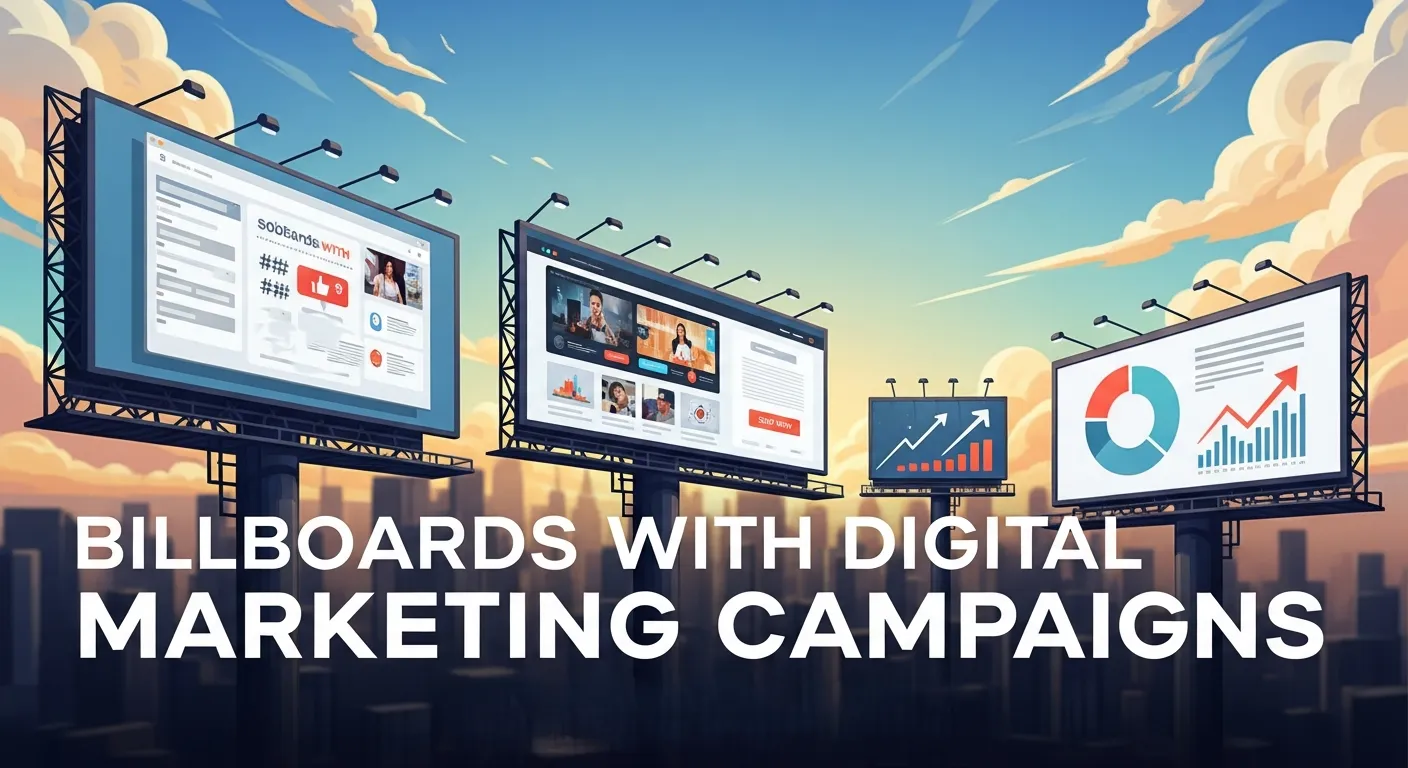
Integrating billboards with Digital Marketing Campaigns helps brands connect offline visibility with online engagement. Billboards build awareness in public spaces, while digital marketing campaigns reinforce messaging through mobile and online platforms. This combined approach improves brand recall, supports omnichannel experiences, and drives measurable engagement, conversions, and long-term growth through consistent, data-driven marketing strategies.
For decades, billboards have remained one of the most noticeable forms of traditional advertising, capturing attention across highways, busy roads, and urban areas. Even in a mobile-first digital era, billboards continue to be highly effective when aligned with Digital Marketing Campaigns. Rather than competing with online platforms, billboards now serve as strong entry points that lead audiences toward digital engagement. When billboard advertising works in harmony with digital marketing campaigns, brands benefit from stronger visibility, improved message recall, and deeper audience connection. This integration allows businesses to bridge offline impressions with online actions, creating a seamless experience across channels. By combining physical presence with digital precision, brands can reach audiences repeatedly and meaningfully, making their marketing efforts more impactful and memorable.
Why Billboards and Digital Marketing Campaigns Work Better Together
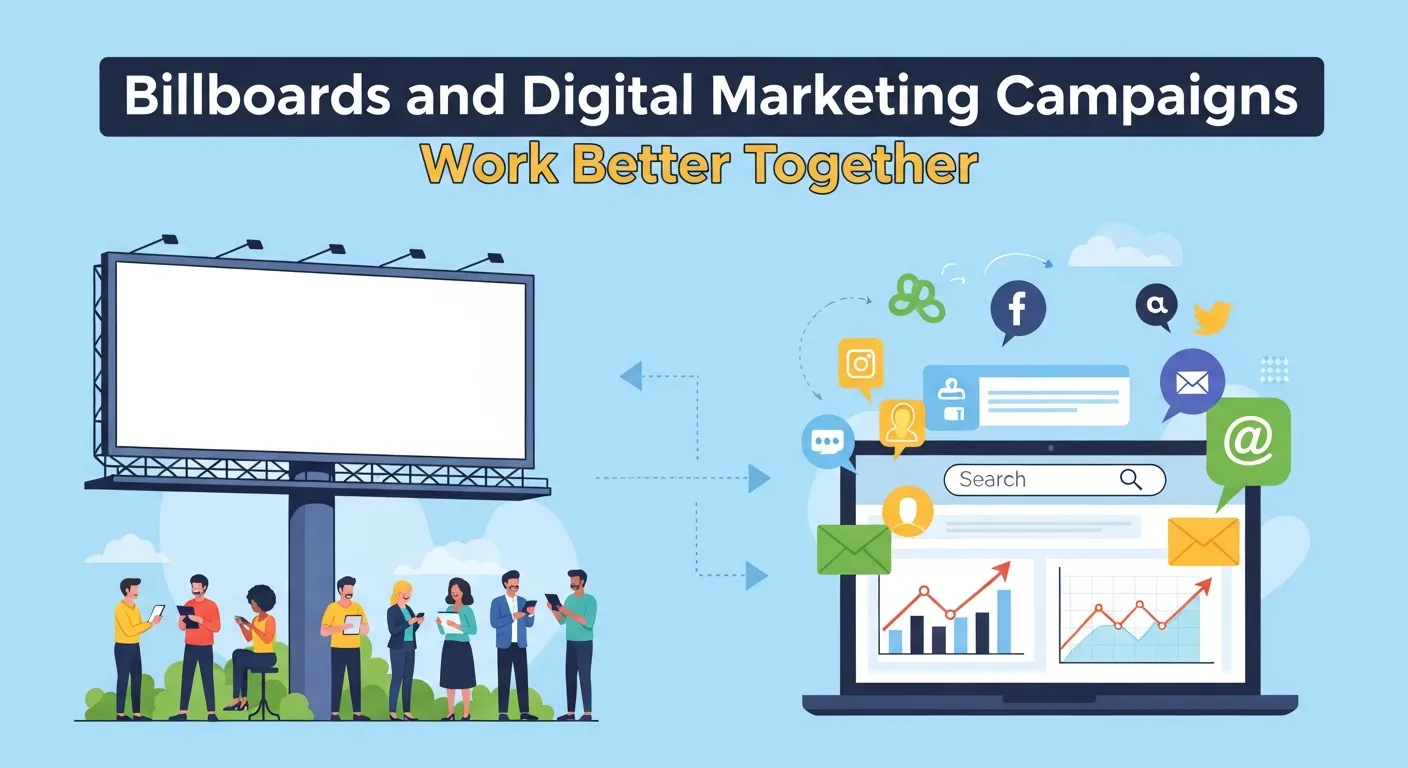
Billboards and Digital Marketing Campaigns complement each other by serving different yet connected roles in the customer journey. Billboard Advertising creates instant awareness in public spaces, while digital marketing campaigns continue engagement through smartphones, social media, search engines, and websites. When audiences encounter the same brand message across offline and online environments, trust and familiarity grow naturally. This repeated exposure significantly improves brand recall and encourages action. Another major advantage of integration is omnichannel consistency. Digital marketing campaigns ensure that messaging remains aligned across platforms, while billboards reinforce that message at scale. Additionally, modern tools like QR codes and branded URLs allow billboard campaigns to generate measurable data, helping marketers understand how offline exposure influences online engagement and conversions more accurately.
Strategies for Integrating Billboards with Digital Marketing Campaigns
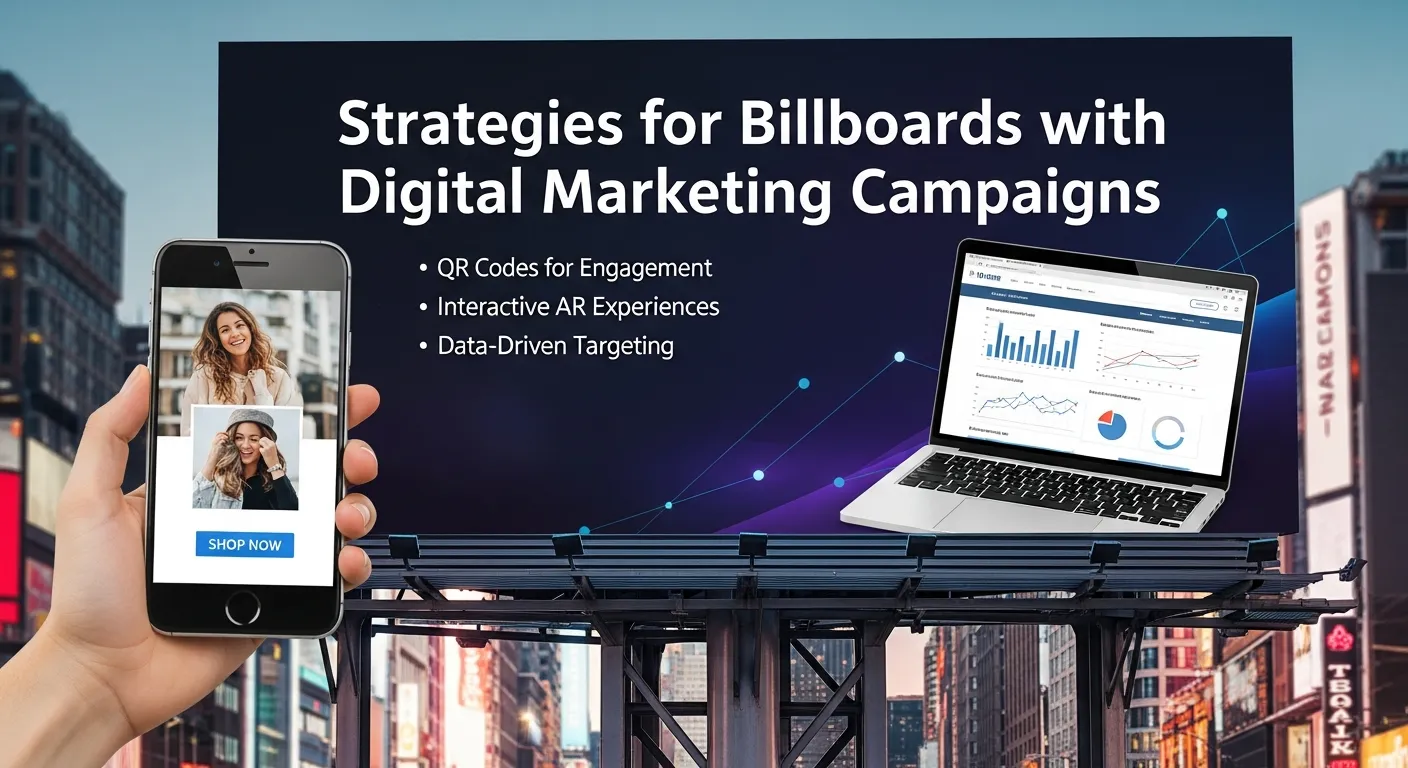
Effective integration between billboards and Digital Marketing Campaigns begins with consistent messaging. Visuals, tone, and value propositions should remain aligned whether audiences see a billboard on the road or an ad on their mobile device. This consistency strengthens brand identity and improves campaign recognition. QR codes play a crucial role by connecting physical billboards to digital destinations such as landing pages, offers, or interactive experiences. Social media integration further enhances engagement by encouraging audiences to interact with campaigns online through hashtags and shared content. Location-based targeting also supports integration by delivering digital ads to users who have been near billboard locations. Together, these strategies transform billboards from static displays into active drivers of digital traffic, engagement, and conversions.
Digital Out-of-Home and Real-Time Campaign Integration
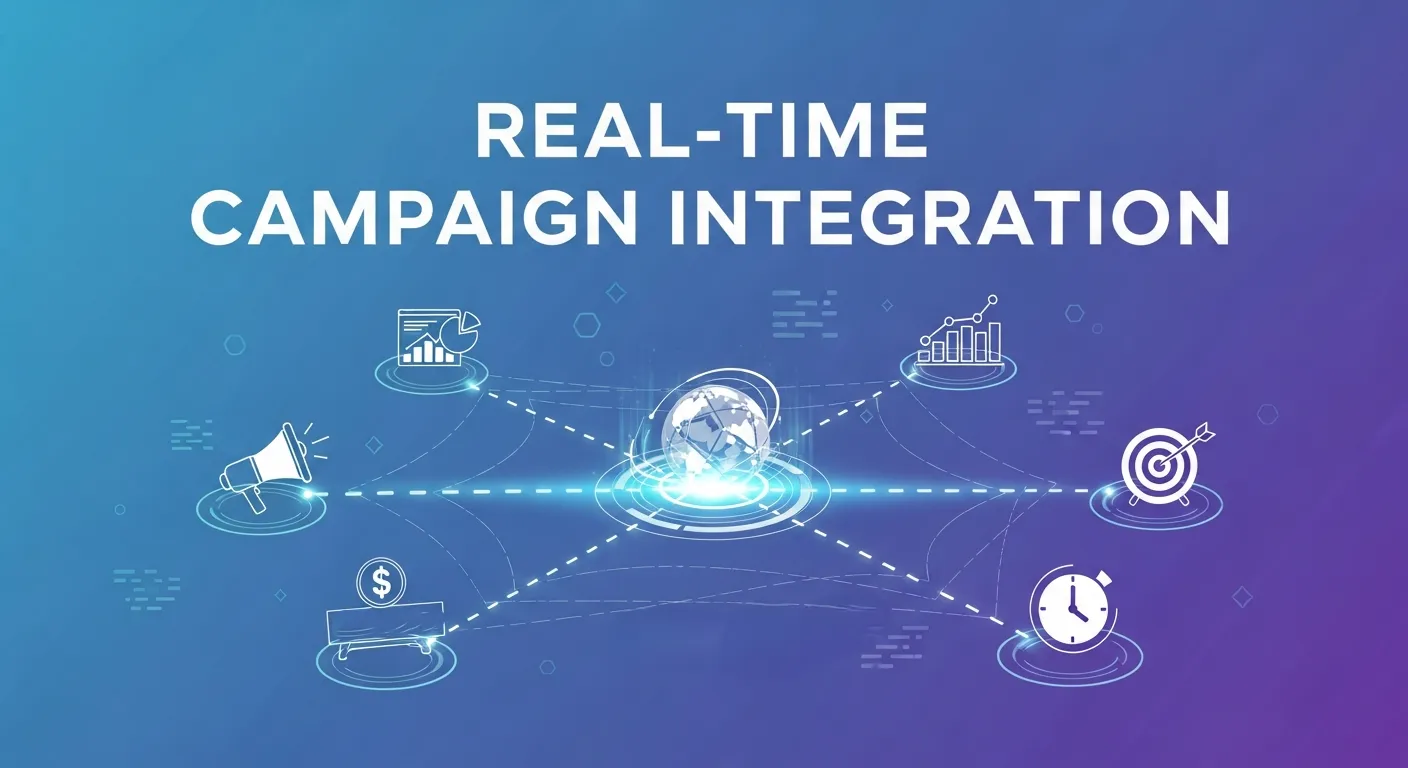
Digital out-of-home advertising has transformed billboards into dynamic communication tools that integrate seamlessly with Digital Marketing Campaigns. Unlike traditional static billboards, digital displays can show real-time content that aligns with ongoing online activities. These billboards can update messaging based on time, location, social media trends, or live promotions, making campaigns more relevant and engaging. When digital billboards synchronize with online platforms, audiences experience a connected brand story across multiple touchpoints. This real-time integration enhances personalization and encourages immediate interaction. By aligning outdoor visuals with live digital content, brands can create immersive experiences that feel timely and engaging. Digital out-of-home advertising therefore strengthens the connection between offline visibility and online engagement within modern marketing strategies.
Integrating Emerging Technologies into Billboard-Based Digital Marketing Campaigns
As Digital Marketing Campaigns continue to evolve, emerging technologies are reshaping how billboards function beyond traditional advertising techniques. Modern billboards now integrate advanced digital tools such as AI creative campaigns, animation in digital campaigns, and data-driven personalization. These technologies allow billboards to deliver smarter, more engaging messages that seamlessly connect offline visibility with online interaction. When combined with digital platforms, technology-enhanced billboards improve relevance, capture attention faster, and guide audiences toward interactive digital experiences.
Key technological elements enhancing billboard integration:
- AI creative campaigns that adapt billboard content based on audience data
- Animation in digital campaigns to increase visual impact and recall
- Video ads optimized for both digital billboards and online platforms
- Real-time data synchronization between billboards and digital channels
- Interactive triggers linking billboards to mobile-first experiences
Technology Impact on Billboard and Digital Marketing Campaigns
| Technology Used | Role in Billboard Advertising | Impact on Digital Marketing Campaigns |
|---|---|---|
| AI Creative Campaigns | Personalizes billboard messaging | Improves engagement and conversion rates |
| Animation in Digital Campaigns | Enhances visual storytelling | Boosts attention and brand recall |
| Video Ads | Creates dynamic billboard content | Supports immersive online experiences |
| Data Analytics | Tracks offline exposure | Optimizes digital targeting strategies |
| Programmatic Advertising | Automates billboard placements | Ensures omnichannel consistency |
Audience Targeting and Behavioral Alignment
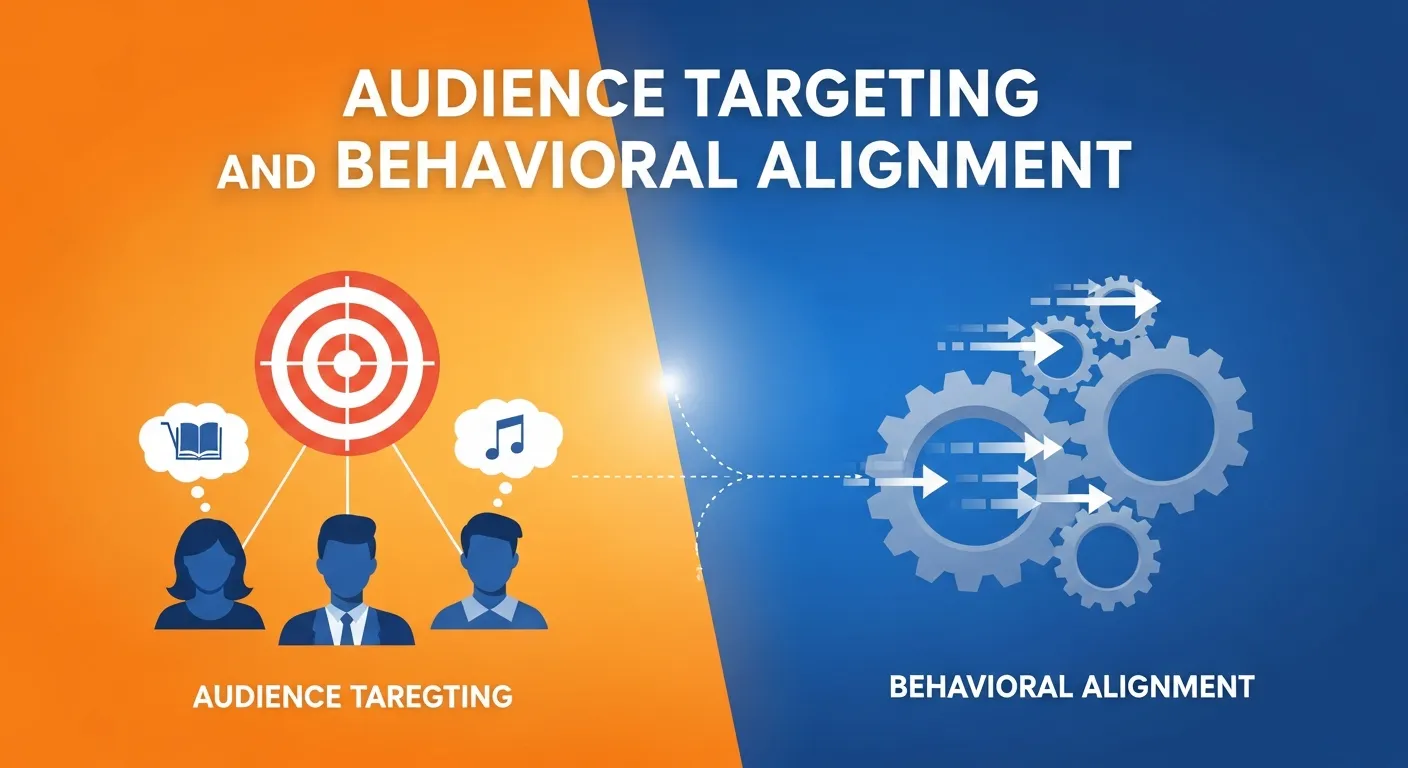
Integrating billboards with Digital Marketing Campaigns becomes more powerful when audience behavior is considered. Billboards capture attention in specific geographic and demographic zones, while digital platforms refine targeting based on interests, browsing habits, and intent. When both channels are aligned, brands can guide audiences smoothly from offline exposure to personalized digital experiences. For example, someone who frequently passes a billboard can later receive tailored digital ads that reflect the same campaign message. This behavioral alignment increases relevance, reduces message fatigue, and improves conversion potential by delivering the right message at the right moment across multiple touchpoints.
Creative Storytelling Across Offline and Online Channels
Storytelling plays a critical role in connecting billboards with Digital Marketing Campaigns. Billboards introduce the story with a bold, memorable message, while digital platforms continue the narrative through videos, social posts, and interactive content. This sequential storytelling approach keeps audiences engaged beyond the first impression. Instead of delivering all information at once, brands can spark curiosity offline and satisfy it online. By spreading the story across channels, marketers create emotional connections, strengthen brand identity, and encourage audiences to actively participate in the campaign journey.
Enhancing Customer Trust Through Brand Consistency
Trust grows when audiences experience consistent messaging across multiple channels. Integrating billboards with Digital Marketing Campaigns ensures that visuals, slogans, and brand promises remain uniform everywhere. When consumers see the same message on a billboard and later encounter it online, it reinforces credibility and professionalism. Consistency reduces confusion and builds confidence in the brand. Over time, this repeated exposure strengthens brand authority and encourages long-term loyalty, making integrated campaigns more effective than isolated marketing efforts.
Driving Local Engagement and Community Connection
Billboards combined with Digital Marketing Campaigns are especially effective for local engagement. Billboards establish a strong presence within a community, while digital campaigns encourage local audiences to take action online. Businesses can promote location-based offers, events, or services through billboards and follow up with targeted digital ads. This strategy helps brands feel more accessible and relevant to nearby consumers. By connecting physical locations with digital touchpoints, companies can build stronger relationships with local audiences and drive both online and offline traffic.
Measuring Performance Across Channels
One of the biggest advantages of integrating billboards with Digital Marketing Campaigns is improved performance measurement. Modern analytics tools allow marketers to track how billboard exposure influences digital behavior. Website visits, QR code scans, social media engagement, and conversions can all be linked back to billboard campaigns. This data-driven insight helps businesses understand which locations, messages, and creatives perform best. By analyzing cross-channel performance, marketers can optimize future digital marketing campaigns and billboard placements more effectively. Measuring results across offline and online channels also improves budget allocation and campaign efficiency. Instead of relying on assumptions, brands can make informed decisions based on real user behavior, ensuring continuous improvement and stronger overall marketing performance.
Using Shoppable and Interactive Experiences to Boost Billboard-Driven Conversions
Shoppable experiences are redefining how billboards contribute to Digital Marketing Campaigns. Instead of functioning as passive displays, modern billboards now encourage immediate action through video ads shoppable campaigns and interactive digital elements. These campaigns allow audiences to move directly from offline exposure to online purchasing or engagement. By integrating billboards with mobile-friendly digital platforms, brands can shorten the customer journey and increase conversion efficiency while maintaining strong omnichannel consistency.
Ways interactive billboards enhance digital performance:
- Shoppable QR codes linking directly to product pages
- Video ads designed for both billboards and mobile feeds
- Interactive calls-to-action encouraging instant engagement
- Seamless transitions from billboard views to digital checkout
- Data tracking to measure offline-to-online conversions
Billboard Interaction vs. Digital Conversion Outcomes
| Billboard Feature | Digital Action Triggered | Business Benefit |
|---|---|---|
| QR Codes | Website visits or purchases | Measurable ROI |
| Shoppable Video Ads | Direct product interaction | Higher conversion rates |
| Interactive CTAs | Social or app engagement | Improved user experience |
| Location-Based Displays | Personalized digital ads | Increased relevance |
| Animated Visuals | Extended online exploration | Stronger brand recall |
Future Trends in Billboard and Digital Marketing Integration
As technology continues to evolve, the integration of billboards with Digital Marketing Campaigns will become even more advanced. Artificial intelligence, data analytics, and programmatic advertising will allow brands to optimize messaging in real time. Smart billboards may adapt content based on audience demographics, weather, or online trends. At the same time, digital campaigns will become more responsive to offline interactions. These innovations will further blur the line between physical and digital marketing, enabling brands to deliver highly personalized, immersive, and measurable omnichannel experiences.
Leveraging Data Insights to Refine Integrated Campaigns
Data plays a vital role in strengthening the integration between billboards and Digital Marketing Campaigns. While billboards generate large-scale visibility, digital platforms collect valuable insights such as click-through rates, engagement levels, and conversion data. By analyzing this information together, marketers can understand how offline exposure influences online behavior. These insights help refine messaging, adjust targeting strategies, and improve creative performance across both channels. When data from digital campaigns is used to optimize billboard placement and content, brands can reduce waste and increase effectiveness. This continuous feedback loop ensures that integrated campaigns remain relevant, efficient, and aligned with evolving audience preferences.
Conclusion
By combining the broad visibility of billboards with the precision and targeting of Digital Marketing Campaigns, brands can build powerful omnichannel strategies that resonate with modern audiences. This integration allows businesses to connect with consumers at multiple stages of the journey, from initial awareness to final conversion. Consistent messaging, interactive elements, and data-driven optimization play a key role in maximizing impact. When executed effectively, billboard and digital integration strengthens brand awareness, increases engagement, and supports sustainable growth. In an increasingly competitive marketing landscape, blending offline presence with digital intelligence enables brands to stand out, build trust, and achieve long-term success through cohesive and impactful digital marketing campaigns.
Frequently Asked Questions (FAQ)
1. How do billboards support Digital Marketing Campaigns?
Billboards support Digital Marketing Campaigns by creating high-visibility brand awareness in physical spaces and directing audiences toward online platforms. When paired with QR codes, branded URLs, or location-based digital ads, billboards act as powerful entry points that drive traffic, engagement, and conversions across digital channels.
2. Are billboards still effective in modern Digital Marketing Campaigns?
Yes, billboards remain highly effective when integrated with Digital Marketing Campaigns. While they are a key part of traditional advertising techniques, modern billboards now work alongside digital tools to reinforce messaging, improve recall, and guide audiences toward mobile, social, and web-based interactions.
3. How can QR codes improve billboard and digital campaign integration?
QR codes bridge the gap between billboards and Digital Marketing Campaigns by enabling instant interaction. Scanning a QR code can lead users to landing pages, video ads, shoppable campaigns, or promotional offers, making billboard exposure measurable and actionable within digital marketing strategies.
4. What role does Digital Out-of-Home advertising play in Digital Marketing Campaigns?
Digital Out-of-Home advertising enhances Digital Marketing Campaigns by allowing real-time content updates on billboards. Brands can sync digital billboards with online promotions, social media trends, or AI creative campaigns, creating dynamic, timely, and highly engaging omnichannel experiences.
5. Can billboards be used for video ads and interactive digital content?
Yes, modern digital billboards support video ads, animation in digital campaigns, and interactive storytelling. These formats capture attention quickly and encourage audiences to continue engaging with the brand online through mobile devices, social platforms, or shoppable digital experiences.
6. How do Digital Marketing Campaigns measure the impact of billboards?
The impact of billboards on Digital Marketing Campaigns can be measured using website analytics, QR code tracking, geo-fencing data, and social media engagement metrics. These insights help marketers understand how offline exposure influences online behavior and conversion performance.
7. Do AI creative campaigns improve billboard and digital integration?
AI creative campaigns significantly improve integration by personalizing messaging based on audience behavior, location, and timing. AI-driven insights allow brands to align billboard visuals with digital ads, optimize creative performance, and deliver more relevant experiences across multiple touchpoints.
8. How do integrated campaigns improve local engagement?
Billboards strengthen local visibility, while Digital Marketing Campaigns refine targeting for nearby audiences. By combining location-based billboards with targeted digital ads, businesses can promote local offers, events, and services more effectively, increasing both online and offline engagement.
9. What industries benefit most from combining billboards with Digital Marketing Campaigns?
Industries such as retail, real estate, education, healthcare, hospitality, and e-commerce benefit greatly from integrating billboards with Digital Marketing Campaigns. This approach supports brand awareness, drives foot traffic, and enhances online conversions through consistent cross-channel messaging.
10. Are integrated billboard and Digital Marketing Campaigns suitable for small businesses?
Yes, small businesses can benefit from integrated campaigns by focusing on strategic billboard placements and targeted digital ads. When combined thoughtfully, even limited budgets can achieve strong visibility, higher engagement, and measurable results through data-driven Digital Marketing Campaigns.