Animation has emerged as a showstopper in digital campaigns. From fun GIFs to captivating explainer videos and motion-graphic ads, animation draws attention, evokes emotion, and encourages action in ways static content can’t. But how do you transform a concept into an animated masterpiece that drives results?
If you’re looking to upgrade your digital marketing strategy with creative animations, this blog gives you a behind-the-scenes look. We’ll break down what makes animation so impactful and share practical tips and tools to make your next campaign stand out.
Why Animation Matters to Digital Campaigns
Before diving into execution, let’s explore why animation is such a powerful tool in digital campaigns.
🔹 Captures attention
In a crowded feed or web page, animated visuals stand out and reduce the chance of your message getting lost.
🔹 Simplifies complex messages
Animations can explain intricate concepts with clarity, making them ideal for product demos, tutorials, or tech-based services.
🔹 Evokes emotion
A good animation tells a story that resonates, helping brands create an emotional connection with audiences.
🔹 Improves retention
Studies show viewers retain 95% of a message from video content, compared to just 10% from reading plain text.
Stat Spotlight: 68% of consumers prefer visual content like short videos and animations over static formats.
The Creative Marketo Importance of Animation in Digital Marketing
In today’s fast-paced digital landscape, audiences are exposed to massive amounts of content every day. Standing out in this crowded space is challenging, and animation has become a powerful solution. Unlike static images or long blocks of text, animation instantly captures attention and delivers messages quickly. Animated videos, GIFs, and motion graphics help brands communicate ideas in an engaging and visually appealing way. They are especially effective across websites, social media platforms, and digital advertisements. By combining visuals, motion, and sound, animation creates a memorable experience for viewers. This makes it easier for brands to leave a lasting impression, strengthen recall, and improve overall campaign performance in competitive digital environments.Learn more about Mastering Interactive Storytelling.
6 Tips to Create Amazing Animation for Your Digital Campaign

- Start With a Clear Goal
Know whether your animation is meant to educate, convert, or entertain—this shapes everything. - Keep It Short and Focused
Attention spans are short. Deliver your message within the first few seconds. - Tell a Story
Even simple animations perform better when they follow a beginning, middle, and end. - Use Brand-Consistent Visuals
Stick to your brand colors, fonts, and tone to build recognition and trust. - Optimize for Mobile
Design animations that look great on small screens and load quickly. - Add a Strong Call to Action
Guide viewers on what to do next—click, sign up, or learn more.
How Animation Captures and Holds Attention
Human attention is naturally drawn to movement, which makes animation highly effective in digital campaigns. Scrolling through social media feeds, users are more likely to pause when they see animated content compared to static posts. Smooth transitions, dynamic text, and visual motion help guide the viewer’s eyes and keep them engaged longer. Animation also allows information to be revealed step by step, preventing cognitive overload. This structured flow makes content easier to consume and more enjoyable. As a result, animated content often achieves higher view rates, longer watch times, and stronger engagement across platforms like Instagram, Facebook, and YouTube.
The Analytics of Animation
Once live, measure success to guide your future animations.
Track performance using:
- Google Analytics
- Social media insights
- Video marketing platforms (e.g., Wistia, Vimeo)
Key metrics:
- View count and watch time
- Click-through rate (CTR)
- Engagement (likes, shares, comments)
- Conversion rate
Optimize future campaigns based on what performs best.
Simplifying Complex Ideas Through Animation
Many products and services involve complex concepts that are difficult to explain using text alone. Animation simplifies these ideas by turning them into clear, visual stories. Processes, systems, and workflows can be broken down into easy-to-follow steps using motion graphics or explainer videos. This approach is especially effective for technology, finance, healthcare, and software-based services. By visualizing abstract ideas, animation improves understanding and reduces confusion. When audiences clearly understand how a product or service works, they are more likely to trust the brand and take action. This clarity often leads to higher conversion rates and better customer satisfaction.
The Role of Storytelling in Animation
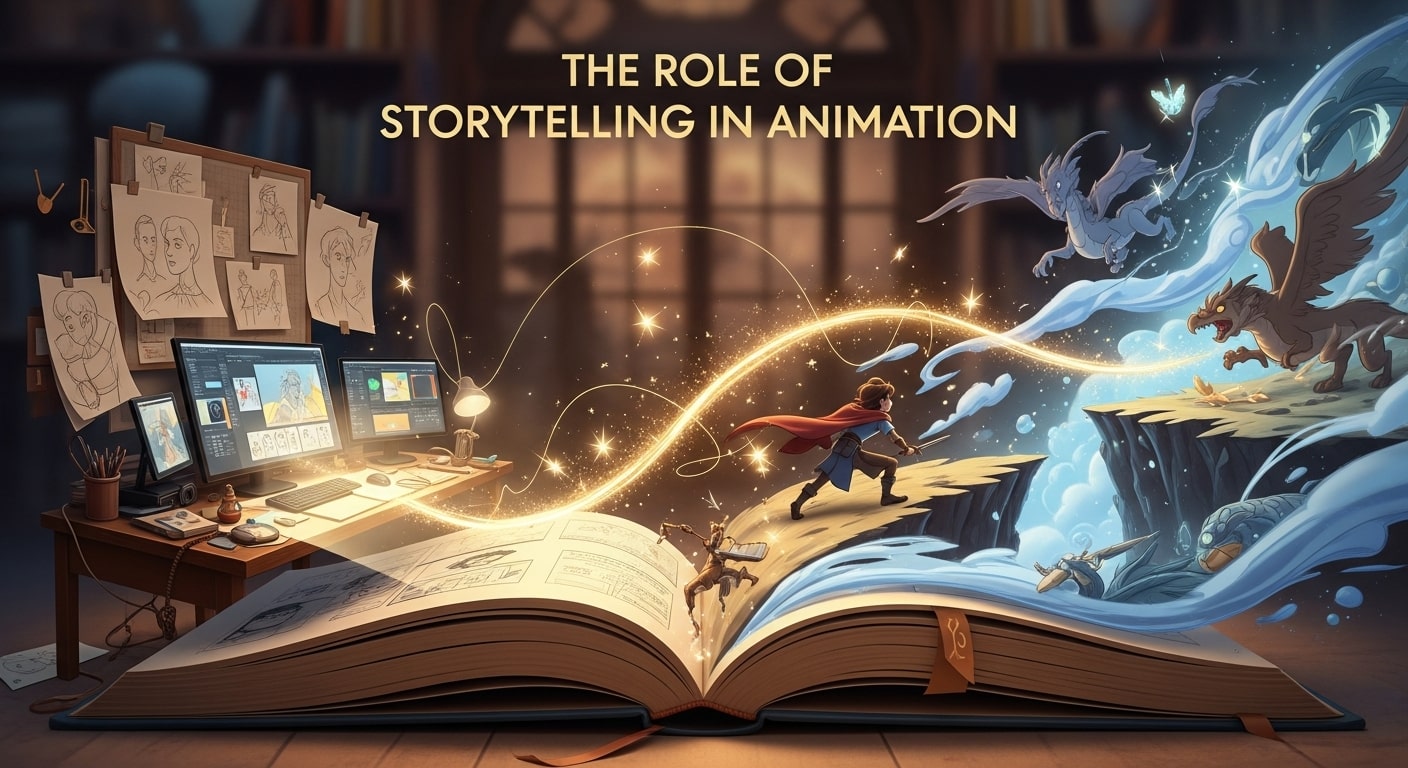
Effective animation is more than just attractive visuals—it tells a story. Storytelling helps brands connect emotionally with their audience by presenting relatable characters, challenges, and solutions. Through animation, brands can communicate their message in a narrative format that feels natural and engaging. A strong beginning, middle, and end keeps viewers interested and encourages them to watch until the end. Emotional storytelling also increases the likelihood of content being shared. When audiences feel connected to a story, they remember the brand behind it. This emotional connection plays a key role in building long-term brand loyalty and trust.
The Role of Animation in Improving User Experience (UX)
Animation plays a crucial role in enhancing overall user experience across digital platforms. Subtle animations such as loading indicators, hover effects, micro-interactions, and transition cues make interfaces feel more intuitive and responsive. These visual signals guide users, reduce confusion, and help them understand how to interact with a website or application. For example, animated feedback after clicking a button reassures users that their action was successful. When used thoughtfully, animation improves navigation flow and keeps users engaged without overwhelming them. A smooth, well-timed animation can make digital experiences feel more human, polished, and enjoyable, ultimately increasing user satisfaction and time spent on a platform.
Building Strong Brand Identity with Animation
Animation is a powerful tool for reinforcing brand identity. Consistent use of brand colors, fonts, icons, and motion styles helps create a recognizable visual language. Animated logos, intros, and transitions can become signature elements that audiences associate with a brand. This consistency builds familiarity and professionalism across all digital touchpoints. Over time, viewers begin to recognize a brand instantly based on its animation style. Strong brand identity not only improves recognition but also builds credibility and trust. In competitive markets, a distinctive animated style can help a brand stand out and maintain a clear, memorable presence.
Using Animation in Digital Advertising
Animation significantly enhances the performance of digital advertisements. Animated ads are more eye-catching and interactive than static visuals, leading to higher click-through rates. Motion can be used strategically to highlight offers, benefits, or calls to action. Platforms like Google Display Network, social media ads, and YouTube pre-roll videos benefit greatly from animation. Short, focused animated ads communicate value quickly and effectively. However, simplicity is key—overly complex animations can distract from the core message. When used correctly, animation helps brands deliver impactful ads that drive traffic, engagement, and conversions.
Designing Mobile-Friendly Animations
With most users accessing content on mobile devices, mobile optimization is essential for animation. Animations must be lightweight, fast-loading, and visually clear on smaller screens. Overusing effects or heavy graphics can slow down performance and negatively impact user experience. Mobile-friendly animations focus on simplicity, readability, and smooth motion. Vertical and square formats often perform better on mobile platforms. Well-optimized animations improve user retention and reduce bounce rates. By prioritizing mobile-first design, brands ensure their animated content reaches and engages audiences effectively across all devices.
Creating Strong Calls to Action with Animation
A successful animation guides viewers toward a clear next step. This is where a strong call to action (CTA) becomes crucial. Animated CTAs stand out more than static ones, drawing attention and encouraging interaction. Whether it’s “Learn More,” “Sign Up,” or “Get Started,” motion helps emphasize the action you want users to take. Timing is also important—CTAs should appear when viewers are most engaged. Without a clear CTA, even the most engaging animation may fail to deliver results. A well-designed animated CTA turns viewer interest into measurable action.
Measuring Animation Performance with Analytics
Launching an animation is only the first step; measuring its performance is equally important. Analytics tools such as Google Analytics, social media insights, and video platforms help track key metrics. These include view count, watch time, engagement, click-through rate, and conversions. Analyzing this data reveals what works and what doesn’t. Brands can identify the most effective animation styles, lengths, and messaging strategies. These insights help optimize future campaigns and improve return on investment. Data-driven decisions ensure that animation remains a strategic tool rather than just a creative element.
Choosing the Right Animation Style for Your Campaign
Selecting the right animation style is essential for achieving your campaign goals. Different styles—such as 2D animation, motion graphics, whiteboard animation, or 3D visuals—serve different purposes and audiences. A playful 2D animation may work well for social media, while sleek motion graphics are better suited for corporate or tech-focused campaigns. The animation style should align with your brand personality, target audience, and message complexity. Choosing the wrong style can dilute your message or confuse viewers. By clearly defining your objectives and audience preferences, you can select an animation style that enhances storytelling, strengthens brand perception, and delivers maximum impact.
Common Mistakes to Avoid in Animated Digital Campaigns
While animation is powerful, poor execution can reduce its effectiveness. One common mistake is overloading animations with too much information, which can overwhelm viewers. Another issue is prioritizing visual effects over clear messaging, causing the core message to get lost. Inconsistent branding, slow loading times, and lack of accessibility (such as unreadable text or missing captions) can also harm performance. Additionally, failing to define a clear goal before production often leads to unfocused content. Avoiding these mistakes ensures that animations remain purposeful, user-friendly, and aligned with campaign objectives, ultimately delivering better engagement and results.
The Future of Animation in Digital Campaigns
Animation is no longer optional—it is a core component of modern digital marketing. As technology evolves, animation will become even more interactive and personalized. Innovations such as AI-driven animation, 3D visuals, and immersive experiences will shape future campaigns. Brands that invest in animation today will be better prepared for tomorrow’s digital trends. By combining creativity with strategy, animation can deliver powerful results across platforms. Those who embrace animation as part of their long-term marketing approach will gain a competitive edge and create more engaging, memorable brand experiences.
Conclusion
Animation is a powerful asset in modern digital marketing, helping brands capture attention, simplify complex messages, and drive meaningful engagement. From explainer videos to animated ads, it enhances user experience and improves conversion rates when guided by clear goals and performance insights.
As digital content continues to evolve, investing in animation gives brands a competitive edge. Supported by data and smart tools—such as insights highlighted by HubSpot and innovations discussed in How AI Tools Help Build Smarter Marketing—animation can turn digital campaigns into memorable, high-impact experiences that deliver real results.
Frequently Asked Questions (FAQ)
What types of animations work best for digital campaigns?
The most effective animation types depend on your campaign goals. Explainer videos work well for educating audiences, motion graphics are ideal for ads and social media, and animated GIFs are great for quick engagement. Short-form animations generally perform better, especially on social platforms, because they deliver messages quickly and visually.
How long should an animation be for maximum impact?
Attention spans are short, so most digital campaign animations should be between 15 and 60 seconds. For social media ads, even 6–15 seconds can be effective. The key is to communicate your main message within the first few seconds to keep viewers engaged.
Is animation suitable for all industries?
Yes, animation can be adapted for almost any industry, including technology, healthcare, finance, education, real estate, and eCommerce. Its flexibility allows brands to explain complex ideas, showcase products, and tell stories regardless of the industry.
Are animated campaigns expensive to produce?
Animation costs vary depending on style, length, and complexity. While high-end animations can be costly, there are also budget-friendly options such as simple motion graphics or template-based animations. The return on investment often outweighs the initial cost due to higher engagement and conversions.
How does animation improve conversion rates?
Animation improves conversion rates by capturing attention, simplifying information, and guiding users with clear calls to action. When viewers understand your message quickly and emotionally connect with it, they are more likely to click, sign up, or make a purchase.
Can animations be optimized for mobile users?
Absolutely. Mobile optimization is essential for animation success. This includes lightweight file sizes, fast loading times, readable text, and vertical or square formats. Mobile-friendly animations significantly improve user experience and engagement.
How do I measure the success of an animated campaign?
You can measure success using analytics tools such as Google Analytics, social media insights, and video platforms. Key metrics include view count, watch time, engagement, click-through rate, and conversions. These insights help refine future campaigns.
Will animation remain effective in the future of digital marketing?
Yes. As digital content becomes more interactive and visual, animation will continue to grow in importance. Emerging technologies like AI-driven animation, 3D visuals, and immersive experiences will further enhance its effectiveness in future campaigns.