It’s no longer enough for brands to simply sell a product or service — today, marketing is about creating memorable experiences that truly resonate with consumers. The world of advertising is evolving at lightning speed, fueled by powerful technologies like AI, AR, and animation. These tools are helping brands craft personalized advertising, immersive campaigns, and visually engaging content that brings audiences closer than ever before.
AI enables brands to deliver data-driven, personalized messages that feel tailor-made for each consumer. AR transforms online shopping into an interactive and immersive experience, while animation brings stories to life with emotion and creativity. Far from passing trends, these technologies are shaping the future of digital marketing and brand storytelling. But how can companies leverage them to build deeper connections, drive engagement, and make a real impact? Let’s explore.
The Impact of AI on Creative Marketing
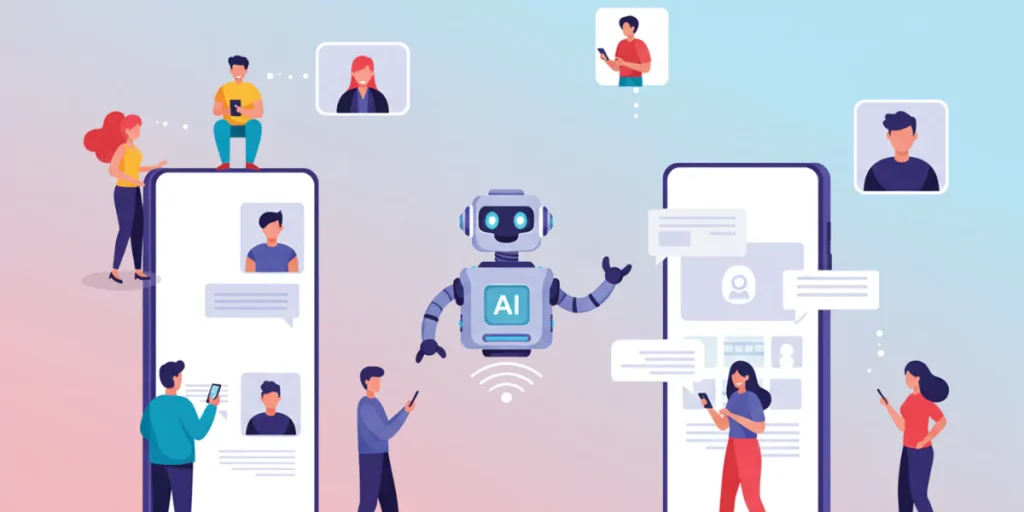
Modern marketing innovation relies on AI. AI is increasingly helping brands interpret datasets, learn from them, and better engage their audience, delivering more personalized experiences. There are many AI Tools for Creative Marketing.
AI-Powered Personalization
Personalization has erupted as a marketing must-have, and here, AI is stepping up. Through analysis of user interactions, buying behavior, and preferences, AI allows brands to provide users with personalized content on multiple platforms.
Example: Netflix and Spotify both use AI to provide personalized recommendations, giving users the feeling that their experience is custom-tailored to them.
How It Helps Marketers: Personalized campaigns have better engagement and conversion rates. According to Statista, 78% of consumers look favorably on companies that offer personalized content.
Streamlining Content Creation
The premise is that AI can now create content, whether it be written, visual, or conversational. With platforms such as Jasper for writing or DALL·E 2 for images, brands are able to create content of high quality at a faster pace and with fewer resources.
Example: E-commerce platforms can leverage AI to automatically write ad copies by using product specs and consumer actions mileage.
Trend to Watch: Chatbots are becoming more human with the help of natural language processing (NLP). We’ve compiled 51 chatbot examples to help you see how businesses and customer service professionals are using chatbots to gain and maintain customers, reach targeted audiences, and tell their brand stories.
Data-Driven Campaigns
AI no longer makes the measurement of campaign performance difficult to ascertain. It can even measure brand engagement, sentiment data, and demographics data, which can provide actionable insights to marketers.
Example: Google Ads uses AI to improve ad placements and bidding strategies to guarantee maximum company ROI.
Immersive Experiences Via AR as a Stepping Stone

AR eliminates the line that separates the digital and physical space, providing an interactive and immersive channel that allows users to be in the middle of the action.
AR in Shopping
With AR tools that make it easier for consumers to imagine products in real life, that’s a real option for manufacturers. From furniture to cosmetics, AR has made the decision-making process more pleasant by enabling customers to project products into their lives.
Example: IKEA’s “Place” app allows you to see a piece of furniture in your home on your phone and move it around.
Why It’s Useful for Customers: AR helps mitigate the risk of purchasing online, leading to higher consumer confidence and happiness.
AR as an Experiential Marketing Device
AR-activated interactive campaigns are being adopted more and more by brands. As opposed to watching an ad, consumers get involved in an experience that becomes engaging and memorable.
Example: PepsiCo outfitted a London bus stop with AR screens that displayed tigers leaping and flying saucers landing — much to the shock of onlookers, turning a humdrum wait into something to remember.
Building Communities Using AR
Brands are using AR filters on platforms such as Instagram and Snapchat to prompt user-generated content. For companies, the development of branded AR chat filters also helps grow their community as it allows like-minded individuals who are using a particular product to share the experience.
Example: Fenty Beauty developed makeup try-on filters for Instagram so its followers could experience lip shades and share selfies with friends.
Animation as a Visual Storytelling Tool
Animation has emerged as a key technique in visual storytelling, helping brands communicate messages in visually captivating and emotionally resonant ways. By turning concepts into motion, animation not only grabs attention but also conveys complex ideas clearly, creating memorable experiences for audiences.
Product Education: Simplifying Complexity Through Animation
Many products and services are difficult to explain with traditional methods. Animated explainer videos and interactive media allow brands to translate complicated concepts into engaging, easy-to-understand visuals. For example, SaaS companies like Slack use animation to showcase how their platforms function in seconds, helping users quickly understand features while reducing the time to value.
Why It Works: Animation keeps audiences engaged while delivering key information in a fun and digestible format. This combination of visual storytelling and interactivity makes learning enjoyable and ensures the content sticks in consumers’ minds.
Enhancing Social Media Engagement with Animated Content
In today’s digital landscape, where attention spans are short, bite-sized animated content helps social media posts and ads stand out. Motion adds personality, increases brand engagement, and encourages users to interact with content. The New York Times, for instance, uses animated graphics to make complex data more approachable, turning otherwise dry information into visually compelling stories.
Building a Unique Brand Personality
Animation enables brands to establish a distinct visual identity. Whether playful, quirky, bold, or sophisticated, animated elements help a brand communicate its personality consistently. Mailchimp, for example, has developed a signature style of quirky animations, making the brand feel approachable while providing a competitive edge in the crowded digital marketing space.
The Bottom Line: Animation is a versatile tool for visual storytelling and animated content marketing. It educates, entertains, and engages audiences while reinforcing brand identity. By integrating animation into marketing strategies, brands can create impactful experiences that resonate emotionally, stand out on social media, and strengthen overall consumer engagement.
Why These Technologies Are the Future
AI, AR, and animation are more than just technological tools—they are revolutionizing the way brands connect with consumers. In today’s fast-paced digital world, audiences don’t just want to see ads; they crave immersive, interactive experiences that feel personalized and meaningful. These technologies allow brands to meet those expectations while driving measurable business results.
Boost Customer Engagement with Personalized Experiences
Interactive augmented reality (AR) campaigns, animated content, and AI-driven personalized marketing help brands capture attention in ways traditional advertising can’t. For example, AR-enabled shopping apps allow customers to visualize products in their own environment, while AI personalization ensures that content is relevant to individual preferences. These strategies increase customer engagement, drive more clicks, and encourage longer time spent with the brand.
Strengthen Brand Loyalty Through Immersive Storytelling
Brands that provide memorable digital experiences create stronger emotional connections with their audience. Animation, for instance, can turn complex product features into engaging visual stories, making information easier to digest and more enjoyable. Similarly, immersive AR campaigns transform mundane interactions into experiences consumers remember. These approaches not only delight customers but also foster brand loyalty and encourage repeat interactions.
Achieve Competitive Advantage and Market Differentiation
In a crowded digital marketing landscape, brands that adopt AI, AR, and animation early can differentiate themselves from competitors. AI tools can optimize ad placements, analyze campaign performance, and predict consumer behavior, giving marketers actionable insights. AR campaigns make products and services feel tangible and engaging, while animation gives brands a unique visual identity that audiences can instantly recognize. Together, these technologies help brands stand out, attract tech-savvy consumers, and strengthen their position in the market.
The Bigger Picture: Meeting Evolving Consumer Expectations
The future of advertising is experiential. Consumers increasingly expect personalized content, interactive campaigns, and visual storytelling. Brands that leverage AI, AR, and animation are not just keeping up—they are setting new standards for what marketing can achieve. By integrating these tools thoughtfully into their strategy, businesses can increase engagement, build lasting loyalty, and gain a measurable competitive advantage.
What’s Next for Your Brand?
The fusion of AI, AR, and Animation is an exciting new development for creative marketing. But using your tools well depends on having a strategy and knowing your audience.
Whether your company is launching a new product or ready to dive into the future of marketing, here are 10 innovative technologies that we suggest you try out. Endless possibilities, from AI-generated campaigns to fully immersive AR experiences.
And don’t forget, digital marketing is storytelling based. The AI, AR, Animation chapters are waiting to be written new.
FAQs
What role does AI play in modern advertising?
AI helps brands deliver personalized marketing experiences by analyzing user data, preferences, and behavior. It can generate content, optimize campaigns, and even predict consumer responses, allowing marketers to engage audiences more effectively.
How can AR improve the shopping experience for consumers?
AR bridges the digital and physical worlds, allowing consumers to visualize products in their real-life environment. This increases confidence in purchase decisions, reduces returns, and creates memorable interactive experiences.
Why is animation important for brand storytelling?
Animation makes complex ideas easy to understand and adds a visually engaging element to content. It can explain products, boost social media engagement, and give a brand a distinct personality that resonates with audiences.
Can these technologies increase customer loyalty?
Yes. AI, AR, and animation create immersive, personalized, and memorable experiences. Engaging consumers in this way strengthens brand connection, encourages repeat interactions, and drives long-term loyalty.
How should brands approach integrating AI, AR, and animation into their marketing?
Brands should start with a clear strategy and understanding of their audience. Experimenting with AI personalization, AR experiences, and animated storytelling allows marketers to create innovative campaigns that stand out, increase engagement, and differentiate from competitors.