
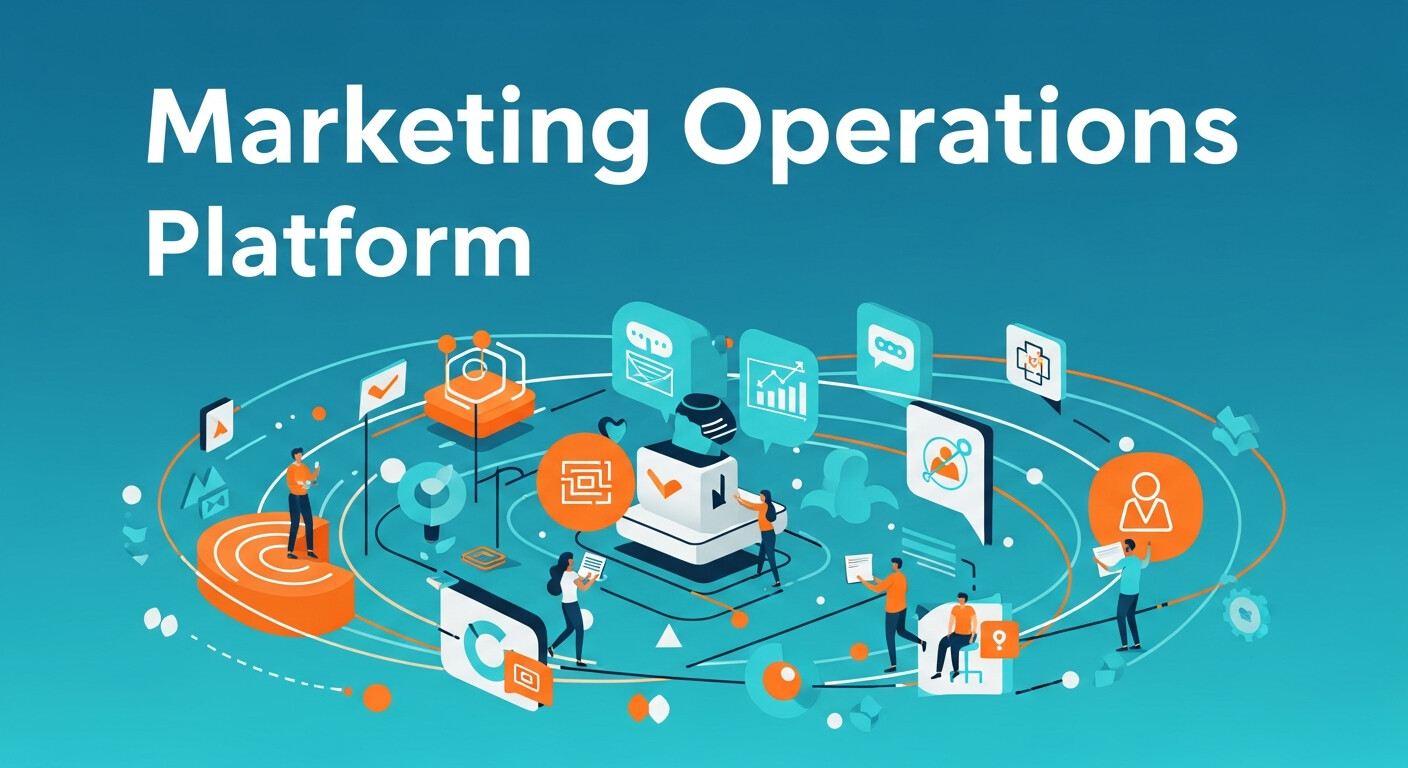
A Marketing Operations Platform centralizes workflows, data, and collaboration to help teams scale marketing efficiently. By aligning strategy, creativity, and performance, it transforms marketing operations into a measurable, strategic advantage.
A Marketing Operations Platform is a centralized system designed to help marketing teams plan, execute, manage, and measure creative and operational workflows efficiently. As modern marketing becomes more complex, businesses rely on a Marketing Operations Platform to align strategy, content, data, and performance across channels. By improving collaboration, automation, and visibility, these platforms help brands scale campaigns faster while maintaining consistency, control, and measurable results.
Understanding a Marketing Operations Platform

A Marketing Operations Platform acts as the operational backbone of a marketing organization. It connects people, processes, and technology into a single environment where campaigns can be planned, tracked, and optimized. Instead of relying on disconnected tools, teams use one system to manage timelines, approvals, assets, and performance metrics. A Marketing Operations Platform supports better decision-making by providing real-time insights into workloads, budgets, and results. This structure is especially valuable for growing teams that need clarity and accountability without slowing down creative output. Over time, it becomes a strategic layer that ensures marketing efforts remain aligned with business goals.
Core Features of a Marketing Operations Platform
Most solutions include workflow management, asset libraries, collaboration tools, and performance dashboards. A Marketing Operations Platform typically centralizes briefs, approvals, version control, and campaign calendars. Automation features reduce manual tasks, while reporting tools connect execution to outcomes. Integration with CRM, analytics, and advertising tools further strengthens visibility. These features help marketing leaders forecast capacity and manage resources more effectively. When implemented well, a Marketing Operations Platform improves speed-to-market and reduces errors caused by fragmented systems. The result is a more predictable, transparent, and scalable marketing operation.
Why Marketing Teams Need Operational Alignment
As marketing channels expand, coordination becomes increasingly complex. A Marketing Operations Platform creates alignment by standardizing workflows, communication, and accountability across teams. Designers, strategists, content creators, and managers work from shared timelines and data, reducing miscommunication and duplicated efforts. This alignment also helps ensure campaigns comply with brand standards and regulatory requirements. By using a Marketing Operations Platform, teams gain clarity on priorities, responsibilities, and deadlines. The result is a balanced environment where creativity can flourish within structured processes, allowing organizations to maintain quality while meeting tight schedules and performance goals.
Role in Content and Creative Management
Scaling content production requires strong operational support. A Marketing Operations Platform streamlines content planning, creation, approval, and distribution within one centralized system. Teams can store assets in shared libraries, track revisions, and reuse approved materials efficiently. This structure aligns closely with the Guide to Content Marketing Automation by enabling faster content cycles without sacrificing quality or brand consistency. It also complements the Guide to Influencer Marketing Platforms by providing operational control over creator-led content workflows. By combining automation with governance, a Marketing Operations Platform ensures the right content reaches the right channel at the right time while reducing administrative friction for creative teams.
Supporting Creator and Influencer Marketing

Managing creator and influencer campaigns involves multiple stakeholders, timelines, and compliance requirements. A Marketing Operations Platform centralizes contracts, approvals, content submissions, and reporting in one place. This operational layer complements the Guide to Creator Marketing Platforms and adding structure and control. With centralized communication and tracking, campaigns become easier to scale and manage. A Marketing Operations Platform helps teams monitor deliverables, maintain brand alignment, and measure performance accurately. This approach replaces spreadsheets and manual tracking with repeatable, professional workflows that strengthen long-term creator partnerships.
Improving Collaboration and Workflow Efficiency
Collaboration is one of the strongest benefits of a Marketing Operations Platform. It enables cross-functional teams to work together with shared visibility into tasks, timelines, and progress. Automated approval workflows reduce delays and bottlenecks, while real-time notifications keep all stakeholders aligned. By eliminating manual coordination and repetitive follow-ups, a Marketing Operations Platform allows marketers to focus more on strategy, creativity, and execution. Improved workflow efficiency also supports remote and global teams by maintaining consistent processes across locations. Over time, these efficiencies lead to reduced costs, smoother operations, and faster campaign delivery.
Data, Analytics, and Performance Insights
Real-Time Data-Driven Marketing relies on clear, timely, and actionable insights. A Marketing Operations Platform brings performance data from multiple channels into centralized dashboards, making analysis easier and more accurate. Teams can quickly identify what is performing well and adjust campaigns in real time. This level of visibility supports smarter budget allocation and helps demonstrate return on investment to leadership. When analytics are connected directly to planning and execution, a Marketing Operations Platform elevates operations from a support function to a strategic capability, strengthening long-term decision-making and continuous performance improvement.
Security, Compliance, and Governance
As marketing operations manage sensitive brand assets, campaign data, and partner information, strong security and governance become essential. A Marketing Operations Platform helps organizations maintain control through permission-based access, detailed audit trails, and standardized approval workflows. These capabilities support compliance with internal policies and external regulations while minimizing operational and reputational risk. By embedding governance directly into everyday processes, teams can collaborate efficiently and confidently without compromising data integrity, brand consistency, or legal requirements. This structured approach ensures marketing operations remain secure, compliant, and scalable as activities expand across teams, regions, and external partners.
Integration with Art-Based Marketing Platforms
Visual storytelling plays a vital role in modern marketing strategies. A Marketing Operations Platform integrates effectively with Art Based Marketing platforms to streamline design workflows and manage creative assets. This integration allows teams to collaborate efficiently through structured feedback, clear approvals, and reliable version control. While creative freedom is preserved, operational structure ensures consistency across campaigns and channels. By aligning artistic output with organized processes, a Marketing Operations Platform helps brands maintain a cohesive visual identity. At the same time, it enables teams to scale creative production efficiently without sacrificing quality or brand standards.
Scalability and Long-Term Marketing Growth

Sustainable marketing growth depends on systems that can scale alongside rising campaign volume, channel diversity, and organizational complexity. A Marketing Operations Platform delivers the structure required to expand teams, enter new markets, and manage multiple initiatives without introducing inefficiencies or operational bottlenecks. By standardizing workflows and centralizing data, it ensures consistent execution and clear visibility as demands increase. This scalable approach helps marketing performance improve steadily over time, enabling organizations to support long-term strategic goals without repeatedly rebuilding processes, adding unnecessary tools, or sacrificing control, alignment, and efficiency.
Common Challenges and How a Marketing Operations Platform Solves Them
Marketing teams often struggle with fragmented tools, unclear ownership, and limited performance visibility. A Marketing Operations Platform addresses these challenges by creating a single source of truth for marketing operations. It replaces scattered systems with structured workflows and centralized data. This approach reduces confusion, improves accountability, and supports consistent execution across campaigns. By proactively managing challenges, organizations can maintain momentum and improve overall marketing effectiveness.
Common Challenges Solved:
- Disconnected tools and data silos
- Delayed approvals and missed deadlines
- Limited insight into campaign performance
- Difficulty scaling processes
| Challenge | How the Platform Helps |
| Tool fragmentation | Centralizes workflows and data |
| Approval delays | Automates review and approval steps |
| Poor visibility | Provides unified dashboards |
| Scaling issues | Standardizes and automates processes |
Choosing the Right Marketing Operations Platform
Choosing the right Marketing Operations Platform depends on your team size, operational complexity, and long-term marketing goals. The platform should be flexible, user-friendly, and scalable enough to support future growth. Strong integration capabilities with existing tools, along with advanced reporting features, are essential for maintaining visibility and control. Organizations should also evaluate onboarding, training resources, and user adoption support to ensure smooth implementation. A well-selected Marketing Operations Platform evolves alongside changing strategies and workflows. By taking a thoughtful, needs-based approach, businesses can build a solid operational foundation that delivers sustainable value and improves overall marketing maturity.
Enhancing Customer Experience Through Operational Consistency
A Marketing Operations Platform plays a critical role in enhancing customer experience by ensuring consistent messaging and execution across all channels. When workflows, assets, and approval processes are centralized, teams can deliver unified and reliable brand experiences at every customer touchpoint. This operational consistency reduces errors, prevents conflicting communications, and strengthens brand recognition and trust. By aligning internal processes with customer-facing outcomes, organizations can respond more effectively to audience needs and expectations. Ultimately, a Marketing Operations Platform enables smoother, more engaging interactions that deepen relationships, reinforce brand credibility, and support long-term customer loyalty.
Marketing Operations as a Strategic Advantage
When implemented effectively, a Marketing Operations Platform evolves beyond a simple efficiency tool and becomes a true strategic advantage. By seamlessly connecting planning, execution, and performance measurement, it enables faster, data-driven decision-making and stronger alignment with overall business objectives. Marketing leaders gain clear visibility into campaign performance, budgets, and resource utilization, while teams work with greater consistency, confidence, and accountability. This structured foundation allows organizations to adapt quickly to market shifts, optimize workflows, reduce waste, and deliver consistent value across every campaign—ultimately driving sustainable growth and long-term competitive strength.
Benefits of Using a Marketing Operations Platform
A Marketing Operations Platform delivers measurable value by improving efficiency, visibility, and control across marketing activities. It reduces operational chaos by centralizing workflows and data, allowing teams to execute campaigns with greater confidence. By standardizing processes, organizations can scale faster without sacrificing quality or brand consistency. Teams also gain better accountability, as responsibilities and progress are clearly defined. Overall, a Marketing Operations Platform transforms marketing from a reactive function into a structured, performance-driven operation.
Key Benefits:
- Improved campaign planning and execution
- Better collaboration across teams
- Reduced manual work and operational errors
- Clear visibility into performance and ROI
- Scalable processes for growing organizations
| Benefit Area | Impact on Marketing Teams |
|---|---|
| Efficiency | Faster workflows and reduced delays |
| Visibility | Real-time tracking of tasks and results |
| Scalability | Supports growth without added complexity |
| Performance | Stronger alignment between goals and outcomes |
Conclusion
A Marketing Operations Platform plays a vital role in helping modern marketing teams operate with greater clarity, efficiency, and control. By centralizing workflows, data, collaboration, and performance tracking, it connects creative execution with strategic business goals. From managing content and creator campaigns to improving analytics and operational alignment, a Marketing Operations Platform enables teams to scale marketing efforts without losing consistency or visibility. As marketing ecosystems become more complex and fast-paced, relying on disconnected tools is no longer sustainable. Investing in the right platform helps organizations improve accountability, optimize performance, and build a stronger foundation for long-term growth and success.
Frequently Asked Questions (FAQ)
1. What is a Marketing Operations Platform?
A Marketing Operations Platform is a centralized system that helps marketing teams plan, manage, execute, and measure campaigns efficiently across channels.
2. Who should use a Marketing Operations Platform?
Marketing teams of all sizes, including startups, agencies, and enterprises, benefit from a Marketing Operations Platform to improve coordination and visibility.
3. How does a Marketing Operations Platform improve efficiency?
It automates workflows, centralizes assets, and reduces manual coordination, allowing teams to focus more on strategy and creative execution.
4. Is a Marketing Operations Platform the same as a CRM?
No, a Marketing Operations Platform manages marketing workflows and execution, while a CRM focuses on customer data and sales relationships.
5. Can a Marketing Operations Platform support content marketing?
Yes, it supports content planning, approvals, asset management, and distribution, making content operations more organized and scalable.
6. How does it help with influencer and creator marketing?
A Marketing Operations Platform tracks approvals, timelines, and performance, supporting structured creator and influencer campaign management.
7. Does a Marketing Operations Platform provide analytics?
Most platforms include dashboards and reporting tools that connect marketing execution with performance and ROI insights.
8. Is a Marketing Operations Platform suitable for remote teams?
Yes, it enables collaboration with shared visibility, making it ideal for remote and global marketing teams.
9. How long does implementation usually take?
Implementation time varies by platform and organization size, but many teams see value within a few weeks of adoption.
10. What should I look for when choosing a platform?
Key factors include ease of use, scalability, integrations, reporting capabilities, and strong onboarding support.
11.How does a Marketing Operations Platform support long-term growth?
A Marketing Operations Platform supports long-term growth by standardizing workflows, improving visibility, and enabling scalable, efficient marketing execution without added complexity.