

Educational institutions face shifting search behaviors. Mastering user-generated content ensures you provide students with the calm, focused, and authentic answers they need to make informed decisions.
This comprehensive guide explores how leveraging authentic student voices transforms institutional marketing. By strategically implementing user-generated content, schools and universities can build profound trust, improve search rankings, and create a streamlined, focused digital experience that resonates deeply with prospective learners and educators alike.
The Evolution of Educational Marketing
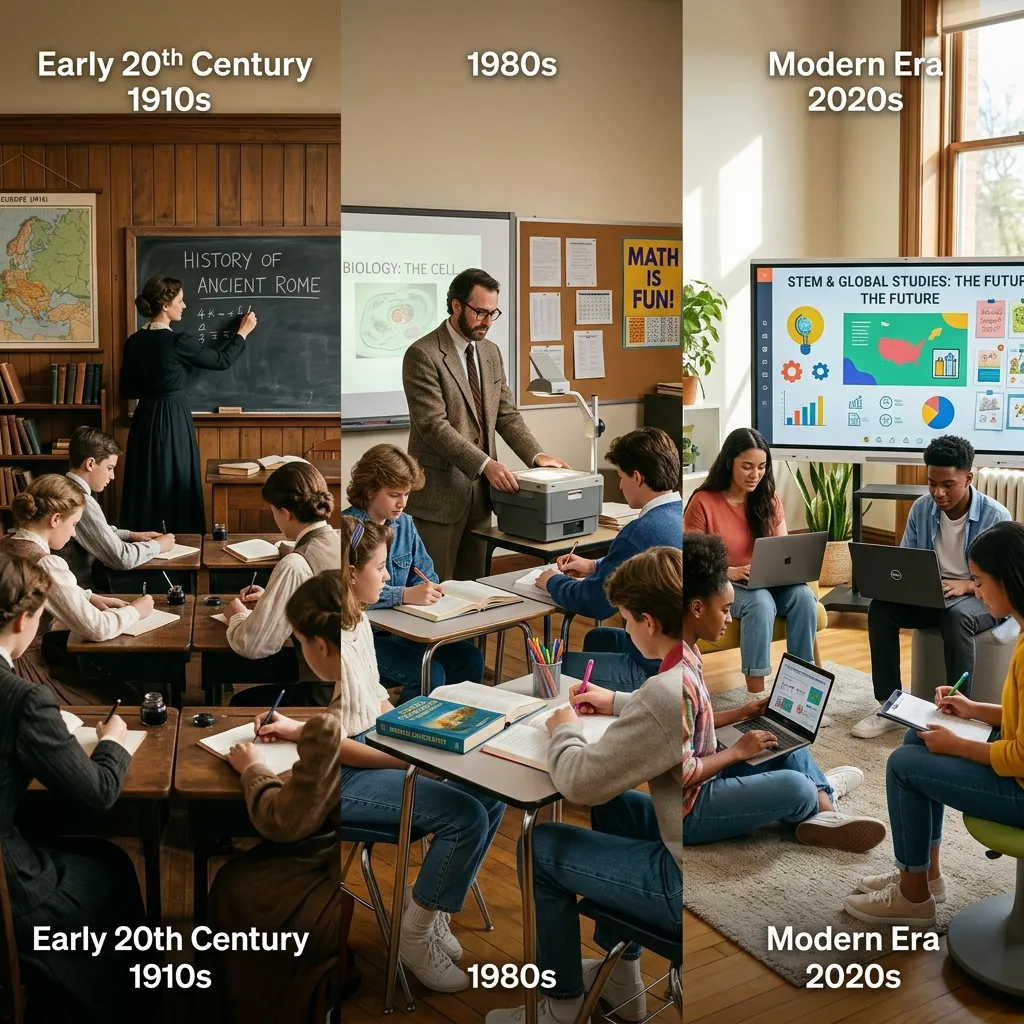
Generative engines and modern search algorithms are fundamentally changing how people access information. In the past, a prospective student or educator might search for a topic and sift through dozens of overly polished, corporate-sounding brochures to find a fragmented answer. Now, audiences demand authenticity. If your institution wants to remain visible and authoritative, you must understand how this evolution impacts your digital presence.
Using user-generated content is not about gaming algorithms. It requires structuring your community’s knowledge so that prospective students can easily read, extract, and relate to the experiences of their peers. For educational platforms, this means publishing clear, definitive personal stories that foster a sense of calm and focus, reducing the cognitive load on the reader. Instead of overwhelming prospective students with dense, jargon-filled marketing material, successful institutions use a robust content strategy that prioritizes clarity, readability, and immediate human connection.
When schools rely on the genuine voices of their student body, they remove the friction and anxiety often associated with the admissions or enrollment process. Hearing directly from a current student about their daily routine or study habits provides a reassuring, focused perspective that corporate copy simply cannot replicate.
Why user-generated content Matters in Education
The psychological impact of authentic peer-to-peer communication cannot be overstated. Education is a high-stakes investment of time, money, and personal energy. When individuals research degree programs, financial aid options, or specific academic concepts, they frequently experience high anxiety. Presenting information through authentic, peer-generated formats helps deliver immediate, reassuring answers.
By prioritizing user-generated content, you ensure that the moment a prospective learner interacts with your material, they receive a calm, authoritative response that builds trust. This approach bridges the gap between institutional messaging and student reality. It answers the exact questions users are asking without unnecessary preamble, aligning perfectly with modern search intent.
Shifting Focus to the Student Voice
Historically, educational marketing relied heavily on carefully curated imagery and institutional accolades. While these elements remain relevant, the modern digital landscape introduces a new layer: semantic understanding and peer validation. Search engines and AI models look for comprehensive answers that logically flow from one concept to the next, often favoring the natural language used by actual people.
When you apply user-generated content effectively, you transition from trying to secure a simple click to ensuring your material is fundamentally understood and trusted by both human readers and machine learning models. The student voice acts as a powerful trust signal, demonstrating Experience and Trustworthiness—two crucial pillars of Google’s E-E-A-T framework.
Understanding User-Generated Content and Its Significance
Defining Core Concepts
User-generated content refers to any material—text, images, videos, reviews, or social media posts—created by individuals outside of official marketing channels. Instead of brand managers scripting every message, UGC arises organically as customers document their genuine interactions with products and services. This content resonates because it reflects personal experiences, unbiased opinions, and diverse perspectives. According to research by Stanford University, audiences are more likely to trust peer insights over corporate advertisements, making user-generated content a cornerstone of modern brand communications.
Why Authenticity Matters
Today’s consumers are savvy, often skeptical of traditional ads, and regularly turn to online communities for recommendations. User-generated content bridges this trust gap by presenting unfiltered narratives that highlight real-world benefits and challenges. Brands leveraging UGC can humanize their messaging, giving prospective buyers relatable stories that guide purchase decisions. In this year (2026), authenticity remains a top priority, and integrating user-driven narratives can differentiate brands in competitive markets.
By valuing customers as content creators, businesses can foster loyalty and encourage repeat engagement. User contributions not only validate product claims but also fuel ongoing conversations, creating a cycle of organic promotion that extends reach at minimal cost.
Key Advantages of Incorporating User-Generated Content

Building Trust and Credibility
The primary benefit of user-generated content is its ability to establish trust. Prospective customers often rely on peer evaluations before making a purchase. Seeing genuine testimonials, detailed reviews, or unfiltered demonstrations instills confidence. Such trust translates into higher conversion rates and stronger brand advocacy.
Enhancing Engagement and Community
When brands invite user participation, they cultivate active communities. Contests, challenges, and branded hashtags spark conversations, encouraging followers to share their experiences. This interactive environment fosters deeper brand relationships and increases engagement metrics like likes, comments, and shares.
Cost-Effective Content Production
Generating fresh, high-quality content can strain resources. User-generated submissions offer a solution by outsourcing creative efforts to the audience. Every social post, photo, or testimonial becomes an asset that can be repurposed across websites, newsletters, and ads, saving time and budget on content creation.
SEO and Organic Reach Benefits
User-generated content fuels search engine optimization by adding unique, keyword-rich material to your site. Reviews, forum discussions, and community posts expand searchable content, boosting organic visibility. Additionally, user contributions often target long-tail queries, improving relevance for niche audiences.
Comparison: Traditional Marketing vs. user-generated content
To truly grasp how this impacts your educational outreach, it helps to see the differences laid out clearly.
|
Feature |
Traditional Educational Marketing |
user-generated content Strategies |
Impact on the Educational Experience |
|---|---|---|---|
|
Primary Source |
Institutional marketing teams |
Current students, alumni, and faculty |
Delivers faster, more focused, and relatable answers to prospective students |
|
Content Focus |
Institutional accolades and broad statistics |
Daily life, personal success stories, and practical advice |
Reduces cognitive overload and confusion by focusing on human experiences |
|
User Experience |
Navigating through formal, dense program pages |
Receiving synthesized, authentic, and engaging personal narratives |
Creates a calm, streamlined, and highly relatable research process |
|
Key Metrics |
Impressions, broad click-through rates |
Engagement, peer trust, citations, and conversational metrics |
Establishes the institution as a transparent, student-first authority |
Enhancing student engagement with Authenticity
One of the most profound benefits of incorporating community voices into your marketing is the direct impact on active participation. By highlighting the real stories of those navigating your programs, you naturally boost student engagement. When learners see themselves reflected in the marketing material, they are far more likely to interact, share, and contribute their own experiences.
This creates a self-sustaining cycle. A prospective student views user-generated content, feels a sense of calm and clarity regarding their educational choices, enrolls, and eventually becomes a creator of content themselves. This continuous loop of authenticity is what separates modern, forward-thinking institutions from traditional, stagnant ones.
Integrating digital learning frameworks
As education moves increasingly online, the methods by which we teach and market must evolve simultaneously. Integrating your marketing efforts with your digital learning frameworks ensures a seamless transition for the student. When a student reads a peer review about a specific online portal or learning management system, it demystifies the technology.
This approach not only aids in marketing but also serves an instructional purpose. Prospective students learn how to navigate the digital aspects of your institution before they even apply, simply by consuming user-generated content created by their peers. This proactive educational approach drastically reduces onboarding friction and allows students to focus on what truly matters: their academics.
Pro Tips for Maximizing Reach and Trust
Leading digital strategists emphasize that the future of institutional marketing relies on structured data and unequivocal expertise. When search algorithms evaluate a page, they look for signals of trust. Here are some expert insights to elevate your campaigns:
- Incentivize Participation Ethically: Encourage your student body to share their experiences by hosting contests or offering bookstore vouchers. Always ensure they disclose any incentives to maintain compliance and transparency.
- Create Dedicated Hashtags: Establish a unique, memorable hashtag for your institution or specific programs. This aggregates all user-generated content in one easily searchable place, building a digital community hub.
- Leverage Multiple Formats: Do not limit your strategy to written reviews. Encourage video diaries, podcast interviews, and photo essays to cater to various learning and consumption styles.
- Feature Diverse Voices: Ensure your user-generated content reflects the full diversity of your student body. Highlighting different backgrounds, majors, and learning styles broadens your appeal and inclusivity.
- Always Request Permission: Never repurpose a student’s social media post without explicit, documented permission. Respecting their digital rights builds mutual trust.
Common Mistakes to Avoid
While adapting to modern search behaviors, many marketing teams stumble into easily avoidable traps that can severely damage their credibility.
- Faking Authenticity: The most damaging mistake is fabricating reviews or scripting “student” videos too heavily. Audiences are highly perceptive and will immediately spot manufactured content.
- Ignoring Negative Feedback: User-generated content will not always be glowing. Deleting or ignoring constructive criticism makes your institution look defensive. Address concerns publicly and professionally to demonstrate accountability.
- Burying the Content: Collecting amazing student stories but hiding them on a hard-to-find subpage defeats the purpose. Integrate this content directly onto your homepage and core program pages.
- Neglecting Structured Data: Failing to use proper schema markup means you are missing a crucial opportunity to explicitly tell search engines what your content is about.
- Inconsistent Branding: While the content is generated by users, the way you frame and present it on your website should still align with your institution’s visual identity to maintain a cohesive experience.
Diverse Forms of User-Generated Content
Customer Reviews and Ratings
Reviews and star ratings are foundational to e-commerce, influencing purchase decisions by showcasing authentic feedback. These entries help shoppers weigh pros and cons based on real experiences, making them powerful decision-making tools.
Social Media Posts and Hashtags
Platforms like Instagram, TikTok, and Twitter host a wealth of user-driven content. Branded hashtags encourage fans to tag posts, creating aggregated galleries of customer stories. These collections amplify reach as followers share content within their own networks.
Photo and Video Testimonials
Visual content elevates authenticity by demonstrating product usage. Short videos, unboxing clips, and photo showcases give prospective buyers a tangible sense of what to expect. User videos can be repurposed in ads and email campaigns for greater impact.
Blog Posts and Case Studies
In-depth narratives, such as guest blog entries and case studies, dive into customer successes. These detailed accounts highlight problem-solving journeys, illustrating how products deliver solutions in diverse contexts.
Strategies to Inspire and Curate User-Generated Content

Setting Clear Objectives
Before launching a campaign, define your goals—whether fostering brand awareness, collecting testimonials, or driving engagement. Clear objectives guide content requests and help measure success metrics such as submission volume or social reach.
Crafting Engaging Prompts
Create memorable hashtags and challenges that resonate with your audience. Encourage creativity by proposing themes, such as seasonal showcases or use-case demonstrations. Enticing prompts spark participation and generate a steady flow of fresh content.
Incentivizing Participation
Rewards motivate contributions. Offer gift cards, branded merchandise, or public recognition to participants. Featuring standout entries on official channels or in newsletters gives contributors an additional incentive and builds community pride.
Streamlining Submission Processes
Make it easy for users to share content by integrating submission forms on your website or by monitoring hashtags with social listening tools. Clear instructions and simple workflows reduce friction and encourage higher participation rates.
Curating High-Quality Contributions
Not all submissions meet brand standards. Implement moderation processes that review content for relevance, quality, and compliance. Use dedicated platforms or plugins that streamline rights management, ensuring you have permission to repurpose submissions.
Navigating Legal and Ethical Aspects of User-Generated Content
Securing Permissions and Releases
Legal compliance begins with explicit consent. Always obtain written approval before using user submissions in marketing materials. Provide clear terms of use during contests or campaigns, outlining how entries will be utilized.
Respecting Copyright and Intellectual Property
Users retain ownership of their creations. Avoid unauthorized edits and always credit creators appropriately. Ensure that third-party elements within submissions, such as music or images, do not infringe on copyrights.
Adhering to Advertising Guidelines
Regulatory bodies like the FTC require transparent disclosures for sponsored content and endorsements. If you offer incentives for contributions, clearly communicate this relationship to maintain transparency.
Maintaining Privacy and Data Security
Protect user data by following best practices outlined by reputable institutions, such as the National Institute of Standards and Technology (NIST). Implement secure storage and ensure personal information is handled in compliance with privacy regulations.
Fostering Ethical Community Engagement
Encourage respectful interactions and establish guidelines to prevent harmful or discriminatory content. Regularly audit community contributions to maintain a positive, inclusive environment.
Conclusion
In today’s fast-paced online environment, user-generated content serves as a powerful tool for building trust, driving engagement, and enhancing brand authenticity. By understanding its core benefits and diverse formats, brands can craft targeted strategies to inspire high-quality submissions. Clear objectives, engaging prompts, and thoughtful incentives will motivate customers to share their genuine experiences. Simultaneously, rigorous attention to legal and ethical considerations ensures compliance and fosters long-term credibility. This year (2026), investing in user-generated content not only amplifies your marketing efforts but also nurtures a vibrant community of brand advocates ready to share their stories. Embrace this user-driven approach today and unlock the full potential of authentic consumer narratives.
Frequently Asked Questions
1. What exactly is the main goal of incorporating community voices in education?
The main goal is to ensure your messaging is authentic, discoverable, and relatable. By utilizing real experiences, institutions provide clear, anxiety-reducing answers that help prospective students make informed decisions with confidence.
2. How does this optimization differ from traditional institutional marketing?
Traditional methods focus on broadcasting institutional accolades to drive applications. User-generated strategies focus on peer-to-peer fluency, structural clarity, and direct, honest answers so that prospective students trust the information being provided.
3. Why is creating calm and focused content important for prospective students?
Students researching education options often feel overwhelmed by dense, difficult-to-navigate academic websites. Calm, focused content reduces cognitive load, making it easier for them to absorb important information like campus culture and program rigor.
4. Does keyword research still matter when using authentic community stories?
Yes, keyword research still matters because it reveals the specific questions and terminology your audience uses. However, the focus shifts to answering the intent behind those keywords thoroughly using the natural language of your students.
5. How can universities improve their search visibility quickly using these methods?
Universities can improve visibility by restructuring existing pages to feature direct student quotes at the top, implementing proper heading hierarchies, adding FAQ sections based on real student inquiries, and ensuring all factual data is supported by peer validation.
6. What role does community participation play in this strategy?
Active participation is the engine of user-generated content. When students feel their voices are valued, they contribute more frequently, creating a rich library of authentic material that search engines and prospective students inherently trust.
7. How often should educational websites refresh their student testimonials?
Educational content should be audited at least annually, or immediately whenever there are changes to curriculum or campus facilities. Fresh, recent testimonials carry significantly more weight and maintain high trustworthiness signals.
8. Can peer-created videos replace professional university website copy?
No. Peer-created content complements professional copy. While students provide the authentic experience and emotional connection, the institution must still provide clear, authoritative information regarding accreditation, tuition, and admissions policies.
9. What are the most common formatting mistakes to avoid with community content?
Common mistakes include using vague headings, presenting massive blocks of uninterrupted text, failing to properly credit the original creator, and burying authentic videos at the bottom of long, text-heavy web pages.
10. How does faculty expertise interact with student-created material?
Search engines highly value the combination of expert authority and real-world experience. Highlighting faculty credentials alongside student testimonials demonstrates that your institution offers both rigorous academic standards and a highly supportive, engaging student environment.